
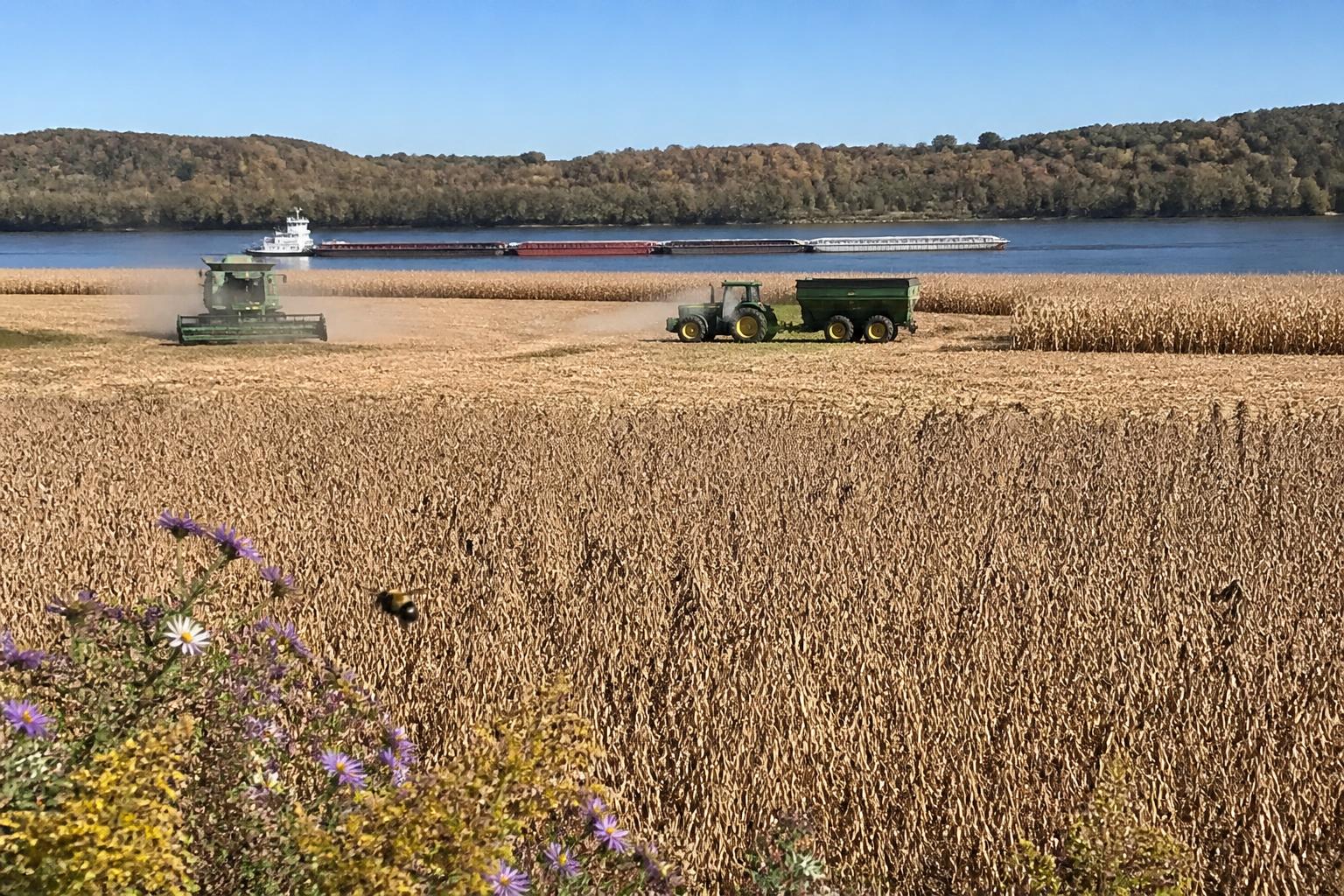
As we move deeper into the fall season, Mississippi producers are recalibrating their logistics plans. The reliability of regional transit remains a primary concern for growers managing the flow of commodities from fields to inland terminals and coastal export points. With the Mississippi Delta logistics landscape shifting, maintaining operational flexibility is essential for those looking to mitigate potential downstream bottlenecks.
Expanding Storage and Processing Capabilities
Infrastructure investments continue to be a focal point across the state. New facility developments, such as the major cold storage project underway at the Port of Gulfport, highlight a broader industry effort to enhance value-added services. These developments are designed to support a wider array of agricultural products, potentially reducing the seasonal pressure on traditional grain storage and facilitating more efficient export windows. For many, these improvements represent a necessary step in hardening the supply chain against localized disruptions.
Stewardship and Regulatory Engagement
Beyond logistics, Mississippi agribusinesses are increasingly focused on environmental and collaborative initiatives. The adoption of programs designed to protect local pollinator populations, such as those involving coordination between growers and beekeepers, reflects a growing trend toward integrated farm management. Furthermore, recent academic appointments to federal advisory committees underscore the state's active role in shaping rural policy, particularly regarding nitrogen remediation and sustainable land use. Staying informed on these trends is vital as farmers balance productivity with regulatory and environmental responsibilities.
What it means for the market
Market participants should keep a close watch on regional transit updates as harvest intensifies. When Mississippi River water levels fluctuate, the impact is felt directly in the cost and timing of movement for major row crops. By leveraging local infrastructure, such as emerging cold storage or improved rail connections, and engaging in collaborative sustainability programs, producers may better position their operations to navigate the complexities of this year's harvest season.
Comments
No comments yet - be the first to share your take.