
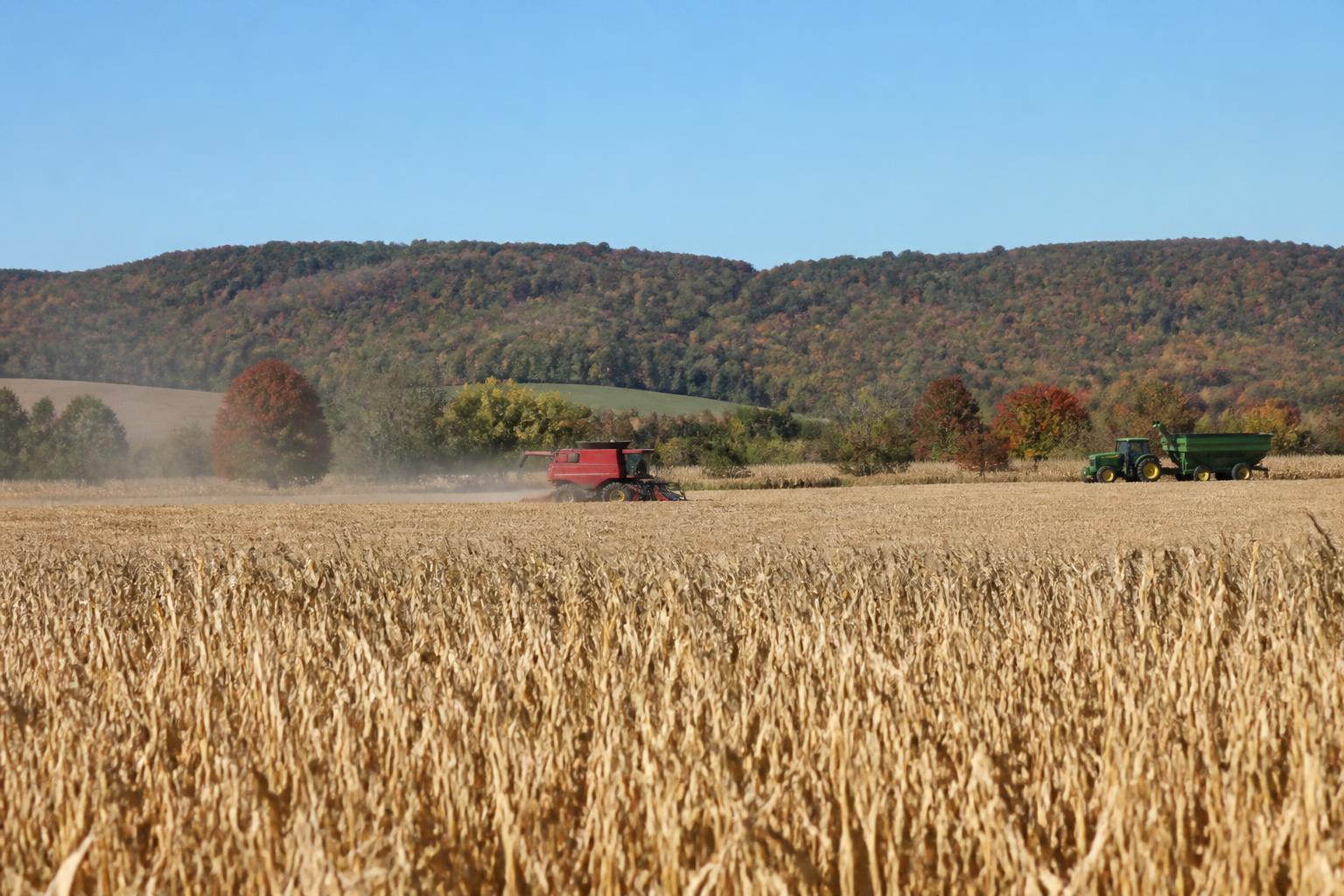
As Kentucky moves deeper into the fall season, the focus across the Commonwealth shifts toward the critical task of moving grain from fields to storage and processing facilities. For many producers, the current window requires a careful balance of harvesting efficiency and logistical coordination. With regional grain-infrastructure projects, such as those recently highlighted in areas like Barren County, producers are increasingly looking to optimize the link between on-farm storage and the broader transport network.
For those managing the flow of commodities, the importance of maintaining reliable transport lanes cannot be overstated. Efficient logistics during the fall harvest remain a primary concern for grain elevators and fleet operators alike. As volume builds, the ability to maneuver through key transport hubs, particularly those around the Louisville area which link the region to both national and international markets, becomes essential to maintaining stable operating margins during peak activity.
Infrastructure and Seasonal Constraints
In many parts of Kentucky, the harvest cycle often encounters the typical bottleneck of road capacity and equipment staging. Proactive planning is frequently the best defense against localized delays. In some counties, regional improvements in grain-handling infrastructure have been implemented to mitigate the pressure on existing transport routes. However, farmers should still prepare for the volatility that typically accompanies the height of the season, when demand for reliable freight services reaches its annual peak.
Strategic Planning for Producers
As the season progresses, monitoring local basis levels and facility wait times can provide a significant advantage. The seasonal realities of harvesting in Kentucky often necessitate a flexible approach to marketing and transport. By aligning on-farm logistics with the capacity of local elevators, producers can help streamline the supply chain and reduce the risk of unexpected storage or transport shortages as the late summer and early fall volumes hit their stride.
What it means for the market
For Kentucky agribusinesses, the current market climate underscores the necessity of logistical readiness. As the harvest momentum builds, those who prioritize communication with grain handlers and optimize their local transport strategy are best positioned to navigate the seasonal pressures on regional infrastructure.
Comments
No comments yet - be the first to share your take.