
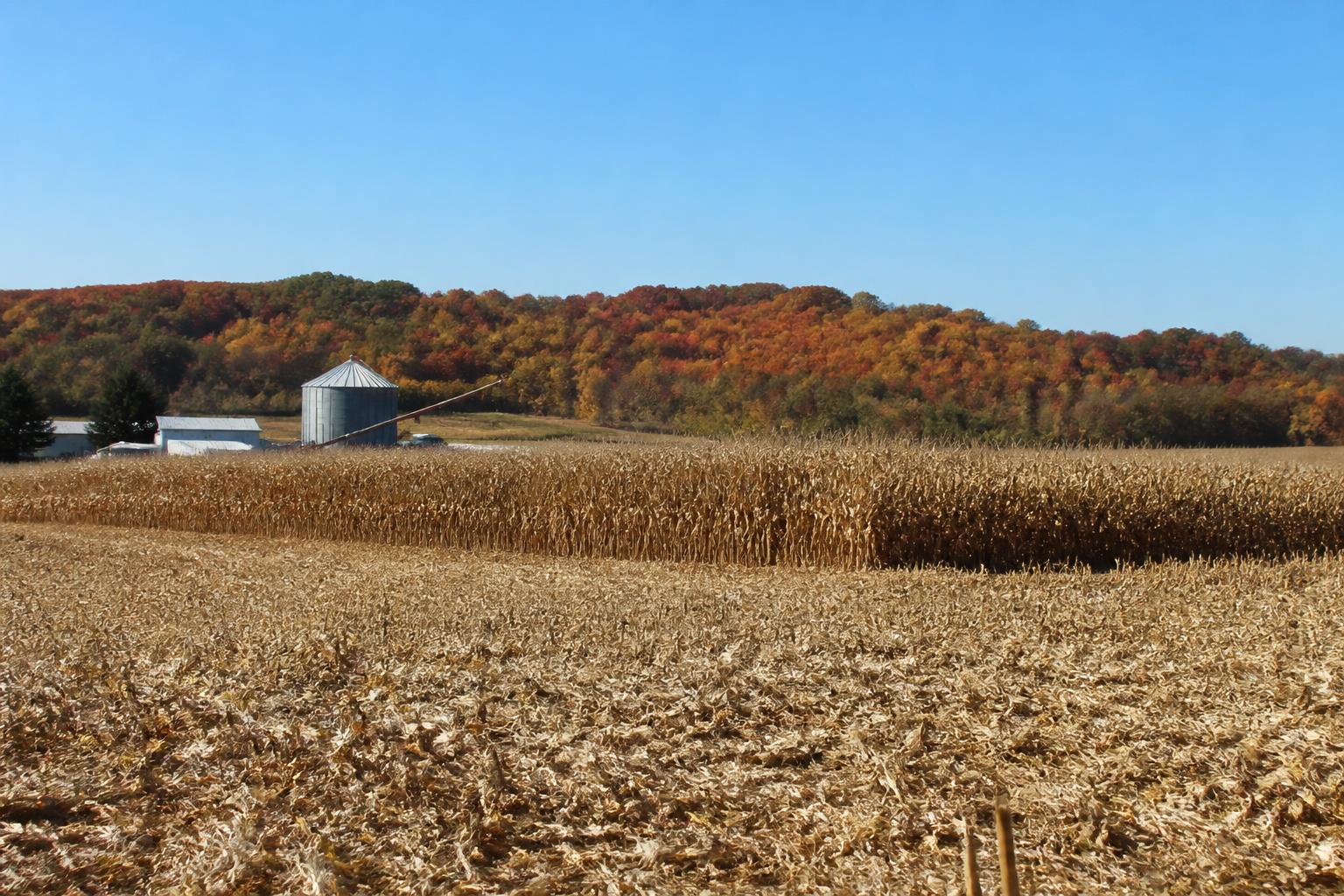
With the transition into mid-September, Rhode Island agriculture is hitting a critical stride. As local fields shift into peak harvest mode, the movement of goods from farm to market becomes a focal point for growers and logistics providers. Ensuring efficient transit during this period is essential for maintaining product quality, especially for producers managing the sensitive logistics of seasonal perishables.
For many local agribusinesses, the current period represents a prime window to assess transport networks. Maintaining reliable connections remains a top priority, and understanding regional traffic patterns along primary state corridors can help mitigate potential delays. Effective logistical preparation during these busy weeks often involves closer coordination between independent carriers and local farm operations, particularly as demand for freight space increases to support the influx of harvest-ready crops.
Managing Seasonal Throughput
As the season progresses, the need for agile transport solutions continues to grow. Producers are looking for ways to streamline their supply chains, from utilizing local distribution channels to optimizing load schedules that avoid peak traffic congestion. Whether moving produce through local rural routes or navigating the transitions toward larger distribution hubs, the stability of the supply chain relies on clear communication between suppliers and transit partners.
Streamlining for Market Success
Beyond basic transport, the industry is seeing a renewed focus on regional infrastructure and collaboration. By prioritizing efficient transit and reliable partnerships, local producers can better protect their margins and ensure that market arrivals align with peak demand. Staying ahead of these logistics challenges is key to capitalizing on the productivity of the current season.
What it means for the market: The current environment suggests that proactive planning and strong logistical partnerships are the primary levers for Rhode Island producers looking to maintain market access. As the harvest matures, those who secure flexible transport arrangements and maintain open communication with their logistics network are better positioned to navigate the seasonal uptick in demand.
Comments
No comments yet - be the first to share your take.