
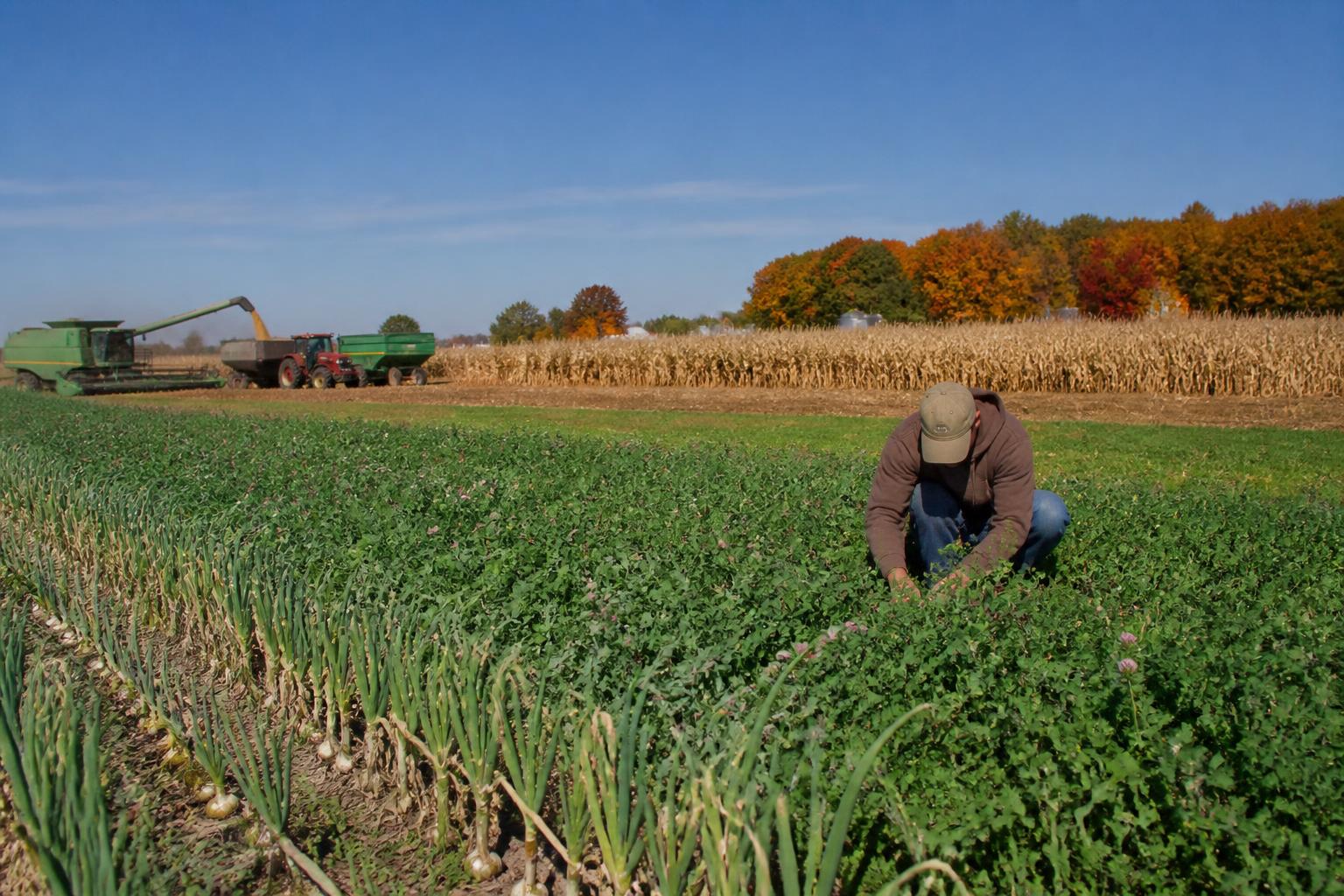
As the Maine harvest season moves into its core weeks, producers are balancing the demands of field operations with the logistical realities of storage and transport. While recent growing conditions have presented challenges in various parts of the state, attention now shifts toward preserving crop quality and ensuring efficient movement from field to elevator.
Successful harvest management often involves a proactive approach to grain handling and timing. For those operating on smaller acreages or managing diverse rotations, attention to detail during this period can influence the final grade and marketability of the crop. Whether working through fields in Aroostook County or managing localized storage near coastal shipping points, maintaining strict moisture control and monitoring equipment readiness is essential for minimizing post-harvest losses.
Refining Harvest Logistics and Field Strategy
Producers are often re-evaluating their storage capacity as yield projections become clearer. Effective Maine grain harvest planning requires a keen eye on local input costs and transportation availability. In regions with limited infrastructure, coordinating with local grain handlers early can help prevent bottlenecks at the scale, especially as harvest volume reaches its seasonal peak in September.
Field maintenance does not end when the combine starts. Monitoring for pest pressures and volunteer growth remains a priority for many, as reducing weed competition post-harvest can set a stronger foundation for the following season. Furthermore, testing grain moisture levels frequently allows farmers to adjust drying schedules, potentially reducing energy expenditures and protecting profit margins during high-traffic weeks.
What it means for the market
For Maine agribusinesses, the current market environment rewards those who prioritize quality and timing. Maintaining high standards throughout the handling process ensures that local grain remains competitive. As the season progresses, farmers should continue to monitor regional market signals and communicate closely with their buyers to navigate any unexpected fluctuations in demand or transport capacity.
Comments
No comments yet - be the first to share your take.