
The landscape of Arkansas agriculture is shifting as the state records rice acreage levels at their lowest point in over half a century. This contraction is reshaping regional production strategies, forcing elevator operators and grain handlers to reconsider facility utilization as the historical reliance on rice production faces new economic headwinds.
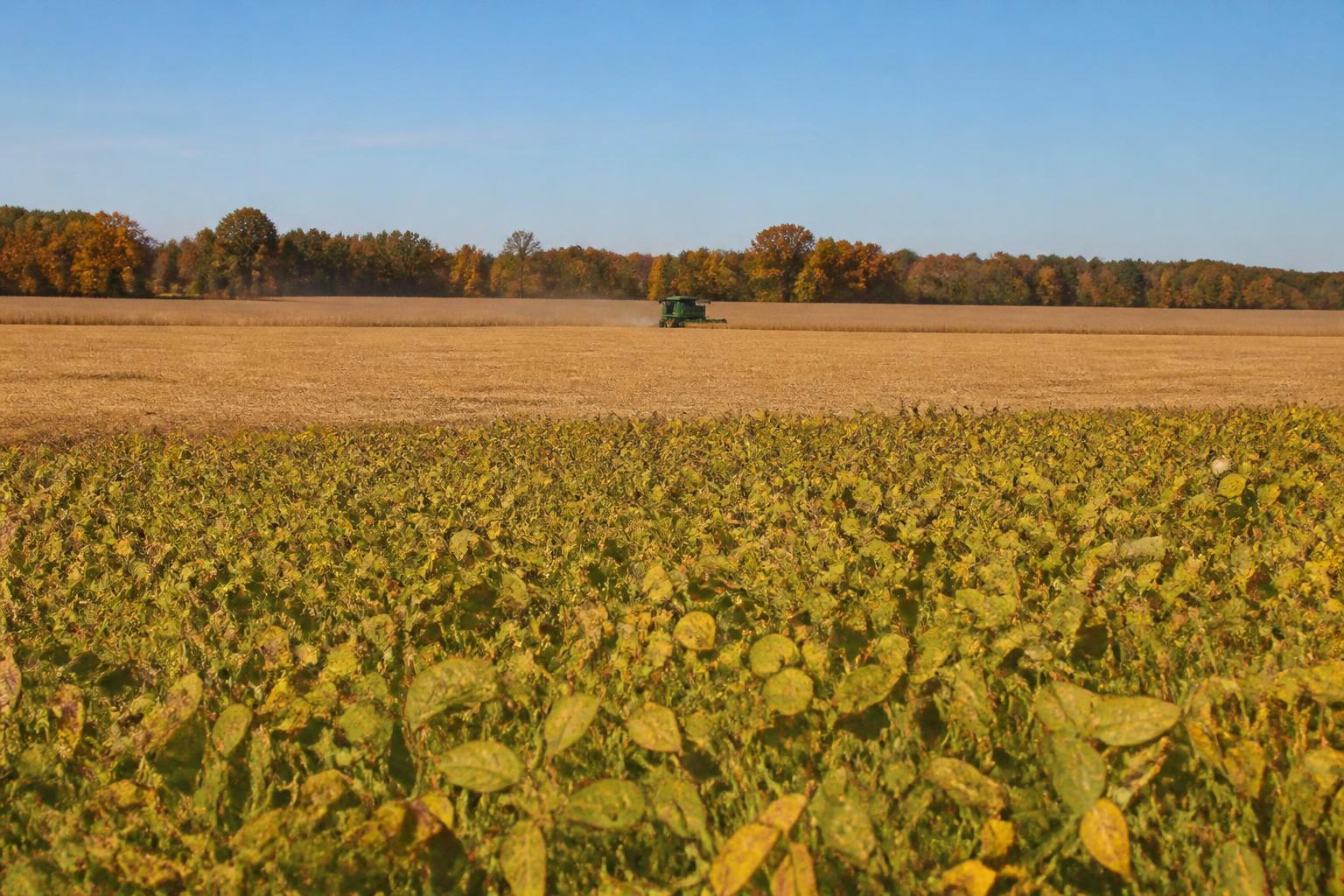
As growers navigate these changes, many are increasingly leaning into soybean production. The trend toward increased soy commitment is supported by broader industry developments, such as the emergence of local biodiesel facilities specifically designed to process 100 percent soybean feedstocks. This transition offers a potential buffer for producers looking to maintain land productivity while diversifying their portfolio away from traditional rice rotations.
Market Adjustments and Infrastructure Impacts
The reduction in rice volume has rippled through the supply chain, causing operational strain for grain dryers and storage facilities previously optimized for rice. The state's grain logistics network must now adapt to a change in crop mix, which may influence regional hauling patterns and storage capacity requirements during the fall harvest.
For producers, this environment underscores the necessity of precision management. As input costs for traditional fertilizers remain a primary concern, many are reevaluating their input management and production efficiency to protect tightening margins. The ability to integrate precision agriculture tools and data-driven decision-making is becoming essential for those managing the transition to alternative acreage.
What it means for the market
The pivot away from rice is not merely a seasonal fluctuation but a recalibration of the Arkansas agricultural economy. For agribusinesses and carriers, this means preparing for a shift in commodity flow patterns. Producers should prioritize localized market analysis and evaluate how shifting to soy or other crops impacts their specific regional storage and transport logistics as the harvest cycle continues.
Comments
No comments yet - be the first to share your take.