
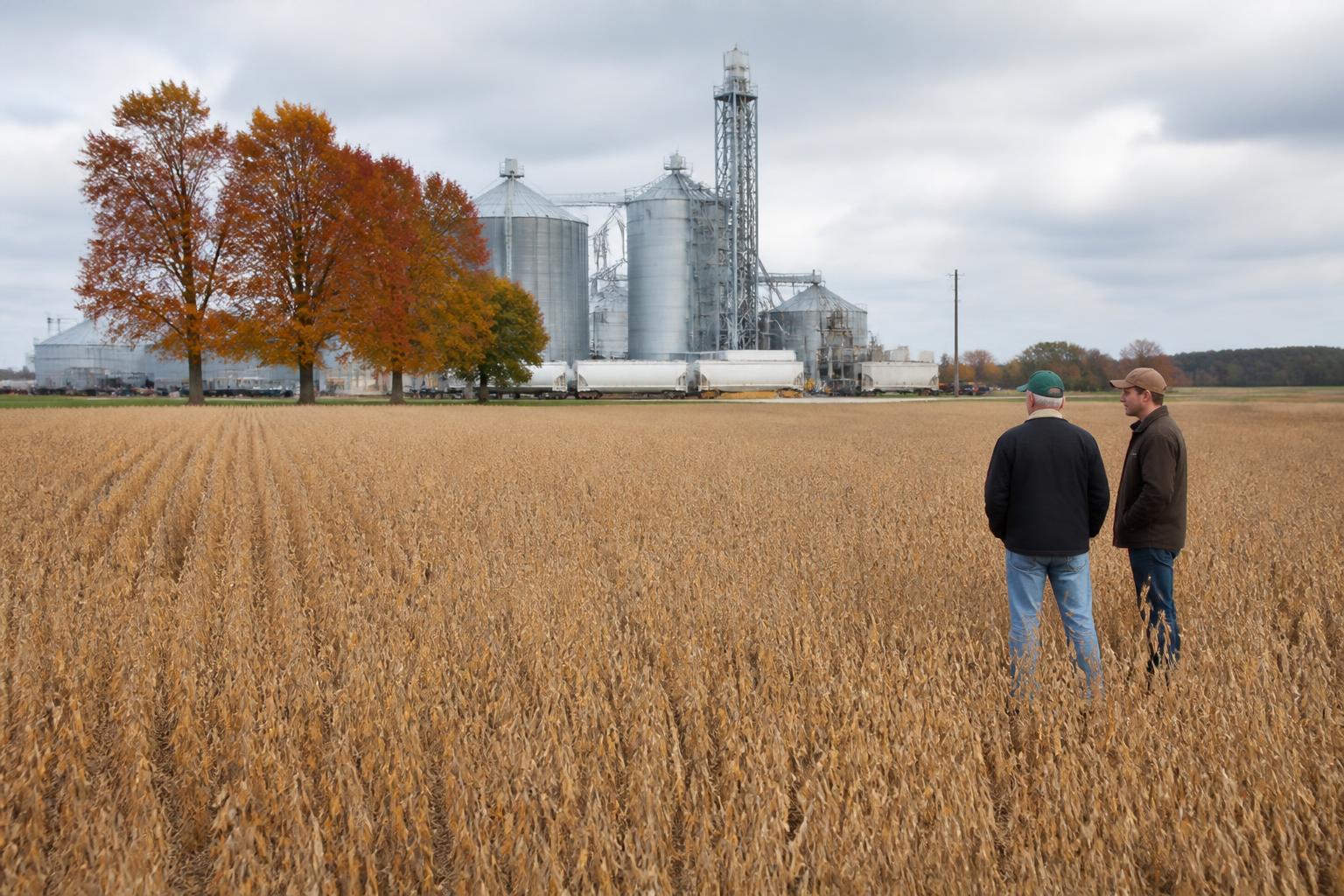
As Idaho producers move through the fall harvest, the agricultural input landscape is undergoing significant transitions. While the focus remains on closing out the current crop cycle, regional updates regarding fertilizer infrastructure are beginning to reshape long-term supply expectations for growers across the state.
New developments in fertilizer production capacity aim to eventually provide a more localized supply chain for regional agribusinesses. For many Idaho farmers, such improvements could be critical in stabilizing costs and ensuring timely access to necessary nutrients during volatile market periods. These infrastructure projects often represent a long-term hedge against the supply chain bottlenecks that can occur in inland agricultural hubs.
Navigating Economic and Labor Uncertainties
Despite potential improvements in supply infrastructure, the broader market remains clouded by uncertainty. Recent discussions surrounding potential trade policies and tariff plans have prompted producers to closely monitor input market dynamics as they look toward the next planting season. Economic shifts can influence everything from equipment availability to the affordability of commercial fertilizers, requiring a proactive approach to risk management.
Labor availability continues to be a persistent variable in the operational efficiency of Idaho farms. When combined with shifting federal agricultural programs—such as updates to ARC-CO and PLC enrollment—producers are tasked with balancing complex financial decisions with their immediate field requirements. Understanding how these factors influence field risk management strategies is essential for maintaining margins during this period of transition.
What it means for the market
For grain handlers and input buyers, the current environment demands agility. While new production facilities offer a promising outlook for regional fertilizer availability, the immediate market remains sensitive to policy-driven fluctuations. Producers should prioritize finalizing their fertility budgets early and remain in close communication with local suppliers to account for potential logistical shifts as the state navigates a complex economic climate throughout the remainder of the fall.
Comments
No comments yet - be the first to share your take.