
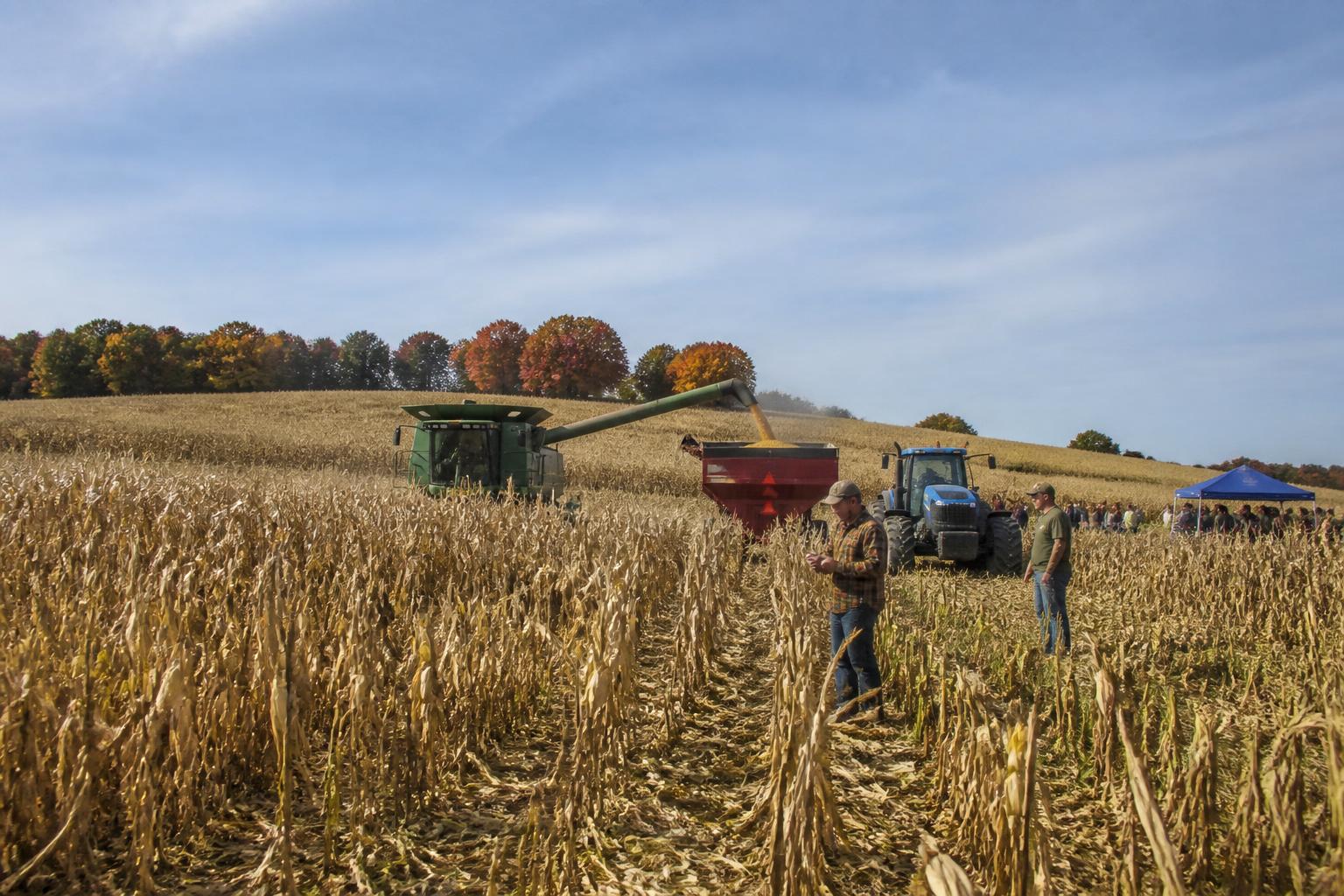
As the fall season progresses, Idaho agricultural operations are shifting their focus toward final-phase field management and harvest preparations. Producers across the region are contending with a mix of persistent pest management hurdles and the need for greater operational precision, prompting many to re-evaluate their current input and protection strategies.
Effective crop protection remains a primary concern for local farmers, particularly as they manage the cumulative impact of seasonal environmental stresses. The integration of improved decision-support tools is enabling a more tactical approach to managing input costs while maintaining crop integrity. These resources are designed to help producers pinpoint potential threats early, allowing for more precise interventions that avoid the costs of broad-spectrum applications.
Refining Crop Protection and Weed Management
Managing unwanted vegetation continues to be a persistent challenge for Idaho growers. Developing a long-term weed philosophy is often cited by local operators as a necessary step to ensure sustained soil health and crop productivity. By consistently monitoring fields for signs of drift or herbicide resistance, producers can refine their application techniques and better protect their investments from environmental variables that may impact market quality.
Adapting to Operational Realities
For many, the current environment necessitates a closer look at field-level logistics. As Idaho producers balance fall harvest efficiency with shifting resource needs, regional handlers and input providers are reporting an increased emphasis on data-driven management. Whether dealing with pressure from localized infestations or adjusting to fluctuating costs for fertilizers and other critical inputs, the ability to pivot operations based on real-time field data is becoming a definitive competitive advantage.
What it means for the market
For the broader Idaho agricultural market, this focus on efficiency and precision suggests a cautious outlook as producers head into the height of the harvest. By prioritizing informed input usage and proactive field management, agribusinesses and farmers are better positioned to safeguard their bottom lines against seasonal volatility and maintain the overall consistency of Idaho’s diverse crop output.
Comments
No comments yet - be the first to share your take.