
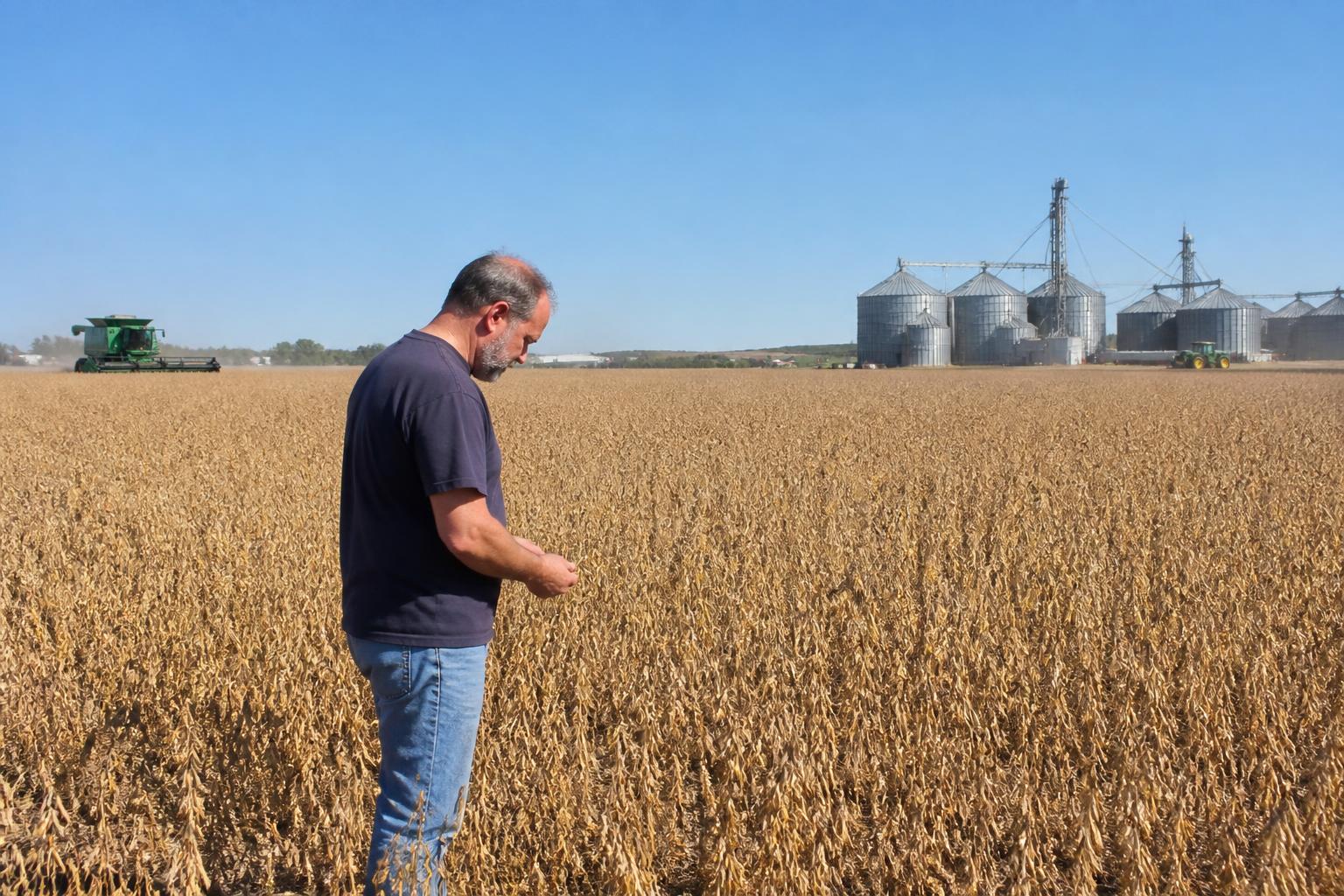
As the autumn season settles over Massachusetts, agricultural producers are shifting their focus from field maintenance to the logistical realities of the harvest. For grain handlers, elevators, and local growers across regions like the Pioneer Valley and central counties, this period represents a critical window for operational readiness. Ensuring that storage infrastructure is calibrated to meet market demands is becoming as essential as the crop yield itself.
Modernizing on-site capabilities, such as the adoption of in-bin grain moisture monitoring, remains a top priority for those looking to mitigate risks associated with post-harvest spoilage. With market volatility often influencing decision-making, the ability to store grain effectively allows producers to move product when pricing conditions are most favorable, rather than being forced into immediate post-harvest sales. Regional planning initiatives are increasingly emphasizing these infrastructure improvements to bolster local food supply chains.
Logistical Hurdles and Regulatory Shifts
The movement of agricultural products from farm to market is also seeing increased scrutiny regarding regulatory compliance and inter-state standards. For instance, the ongoing legal and regulatory discussions surrounding livestock and farming standards highlight the importance of staying informed on operational best practices. Carriers and agribusinesses alike must navigate these evolving frameworks to maintain efficient logistics corridors, particularly as road traffic patterns fluctuate during the peak harvest weeks.
Strategic Integration of New Technology
Beyond traditional mechanical storage, the integration of digital tools is slowly transforming how local agribusinesses manage their supply chain connectivity. Whether it is through improved coordination with regional brokers or utilizing data-driven systems to reduce resource waste, the push for modernization is clear. These efforts are part of a broader trend of climate-resilient farming that seeks to balance short-term harvest pressure with long-term financial stability.
What it means for the market: Producers who prioritize quality control through precise monitoring and keep a close watch on regional regulatory developments will be best positioned to navigate the seasonal price fluctuations typical of the Massachusetts fall market. Maintaining flexibility in both storage and transport logistics will be the defining factor for profitability as the season progresses.
Comments
No comments yet - be the first to share your take.