
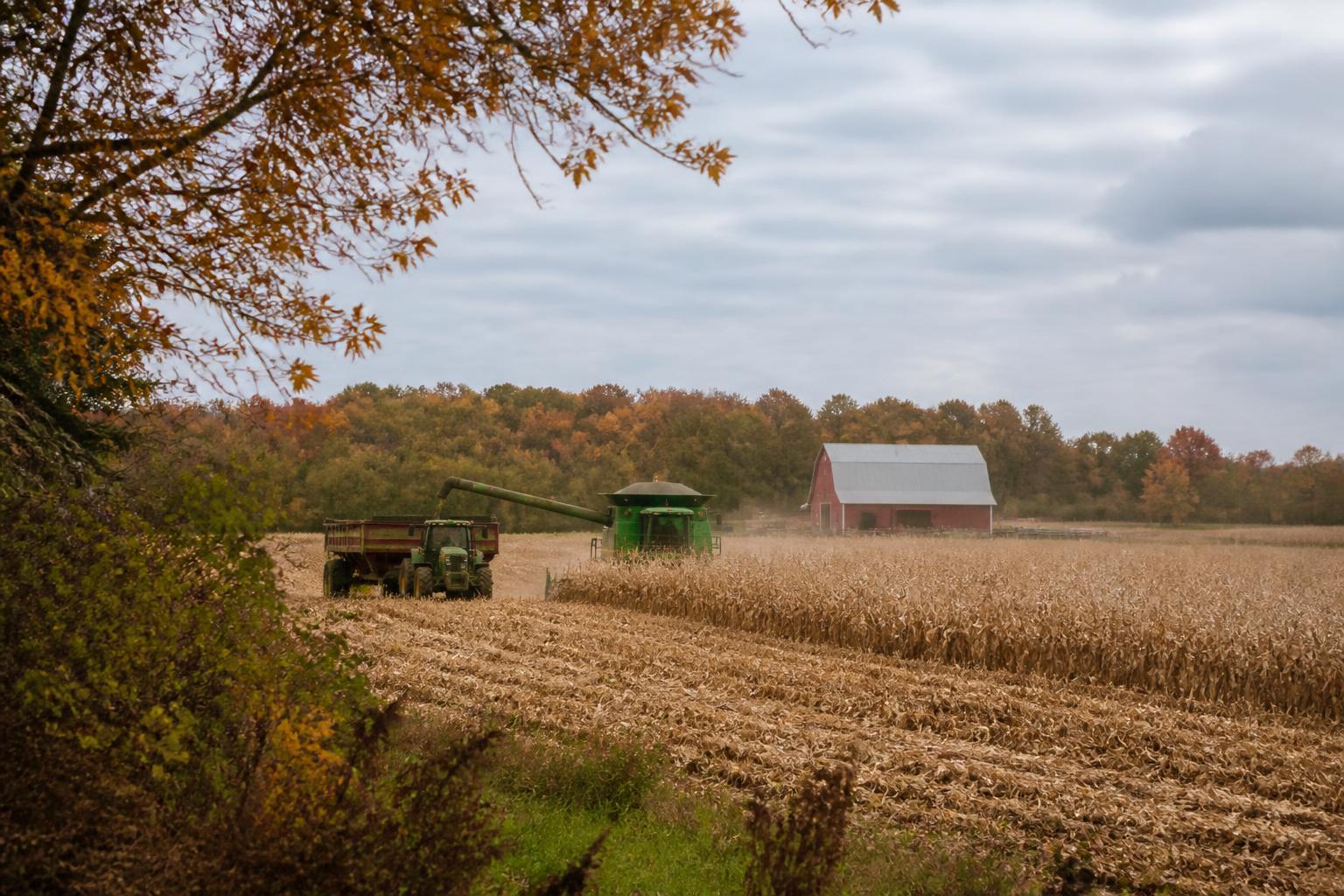
Harvest activity is gaining momentum across the Arkansas landscape this September, placing a focus on local grain movement and storage capacity. As producers across the Delta and beyond move corn and soybeans from fields to elevators, regional logistics networks are operating under the typical pressures of the fall season. For farmers and handlers, managing the speed of harvest while coordinating with local transport providers remains a priority to maintain flow toward regional hubs and processing centers.
Export Dynamics and Regional Market Outlook
Recent developments in international trade indicate a significant interest in Arkansas-grown corn and soybeans. The announcement of major purchasing commitments from groups abroad could provide a needed lift for local demand, potentially influencing basis levels and storage decisions for growers holding grain. These international trade agreements often underscore the importance of consistent supply chains, from rural county roads to the processing facilities that handle outbound shipments.
As producers evaluate their marketing strategies, those navigating tightening margins will likely look for opportunities to optimize logistics. The ability to move product efficiently to buyers is often the difference between clearing bins ahead of winter and carrying extra inventory into the new year.
Infrastructure and Operational Considerations
The movement of grain is always subject to the realities of state infrastructure. As seasonal volume increases, operators often see shifts in road traffic and availability of short-haul trucking. While federal initiatives to support domestic production and improve input logistics are ongoing, daily operations remain focused on the immediate task of moving product. Furthermore, industry changes, such as facility adjustments or labor shifts in the regional processing sector, continue to be monitored by agribusinesses to ensure that throughput remains stable during peak harvest months.
What it means for the market
For Arkansas agribusinesses, the combination of strong international interest and the realities of a busy harvest season necessitates a disciplined approach to inventory management. Maintaining flexibility in logistics plans—and keeping a close eye on local storage availability—will be essential as the fall season progresses and market participants adjust to potential shifts in global demand and internal supply chain pressures.
Comments
No comments yet - be the first to share your take.