
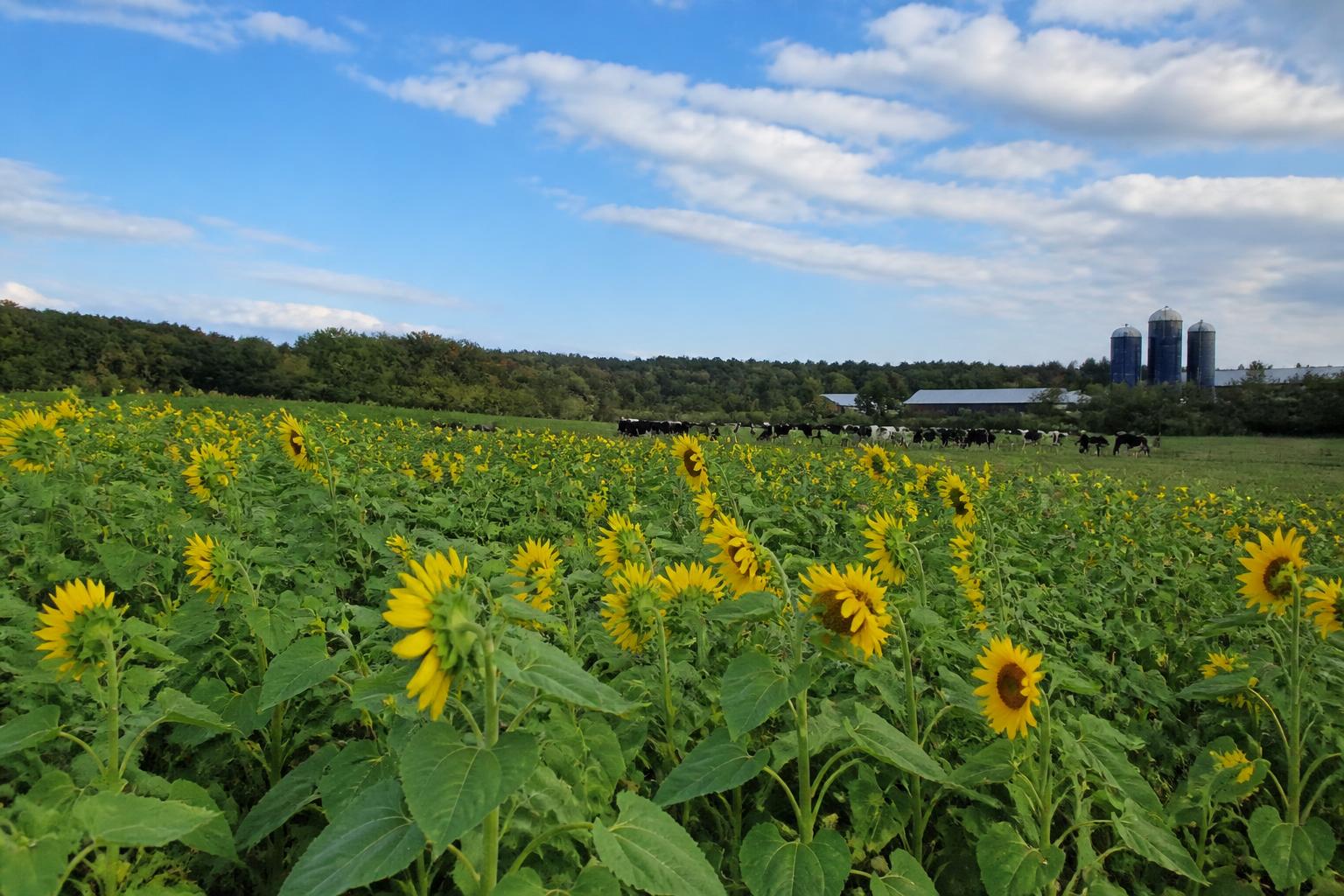
As the autumn season settles over Rhode Island, the pace of agricultural activity accelerates across the state's corridors. With harvest operations in full swing, local grain producers and field operators are navigating the busiest time of the year. Ensuring the smooth flow of goods from field to storage or local point-of-sale requires not just efficient labor, but a heightened focus on logistical safety and equipment maintenance.
For those managing the logistics of crop movement, the rise in traffic density on rural roads often presents unique challenges. Whether you are moving equipment between fields in Kent County or navigating the transit routes near regional distribution hubs, being proactive about road safety is critical. As noted in recent Rhode Island logistics updates, the intersection of heavy machinery and public transit requires constant vigilance to prevent incidents and minimize transit delays.
Prioritizing Safety During Peak Transit
The increased presence of slow-moving agricultural machinery on public roadways is a standard feature of the fall season. To maintain safety, operators should ensure all lighting, reflectors, and slow-moving vehicle signs are fully functional and visible to oncoming motorists. Establishing clear communication and utilizing secondary routes where possible can help mitigate congestion and protect both farmers and the traveling public.
Operational Readiness
Beyond road safety, this season serves as a reminder to conduct regular maintenance on all off-road vehicles and heavy machinery. Ensuring that equipment is in optimal condition not only prevents costly downtime during the critical harvest window but also reduces the risk of mechanical failures that can turn a routine job into a safety concern. Keeping a close eye on hydraulic systems, tires, and emergency stop mechanisms remains a practical, daily necessity for farm crews across the state.
What it means for the market
For Rhode Island agribusinesses, a smooth and safe harvest season is the cornerstone of annual profitability. By minimizing operational disruptions through diligent safety practices and proactive equipment care, producers can better manage their bottom line and ensure that their goods move efficiently through the regional supply chain during this high-demand period.
Comments
No comments yet - be the first to share your take.