
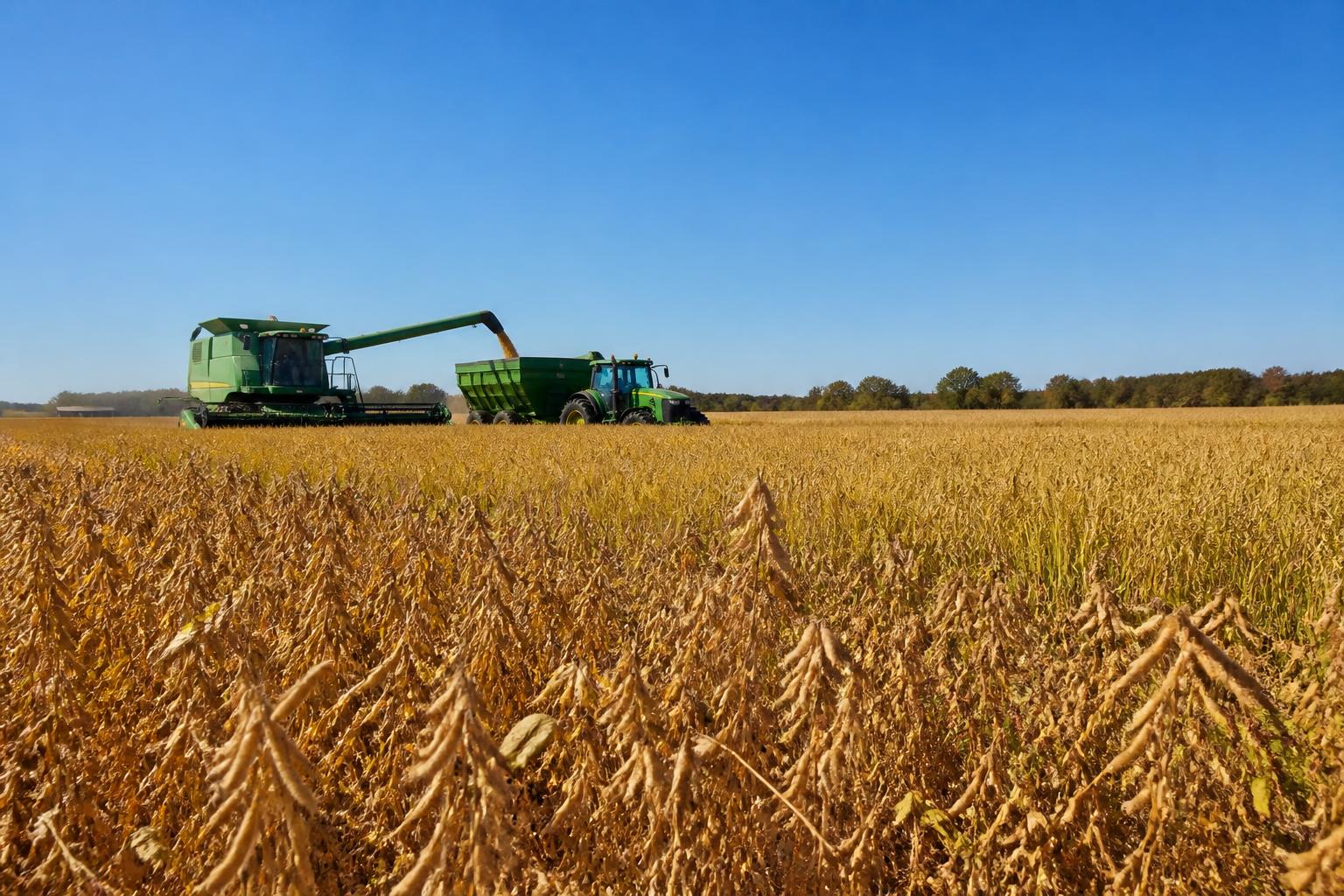
Arkansas farmers are currently navigating a complex agricultural landscape as the fall season takes hold. Recent reports indicating a shift in acreage for key commodities, including rice and soybeans, have introduced fresh volatility into regional markets. For producers across the Arkansas Delta and beyond, this transition underscores the importance of precision in field management and logistics planning.
As grain handling facilities prepare for harvest activity, market participants are paying close attention to export logistics and shifting demand patterns. Efficient movement of crops from local fields to regional elevators is essential, especially as producers continue to seek ways to balance input efficiency with the realities of tight operating margins. In some areas, growers are finding that the application of strategic input management, such as optimized irrigation and site-specific crop protection, can help mitigate risks associated with unpredictable weather and rising costs.
Adapting to Market and Production Pressures
The agricultural sector in Arkansas is also contending with broader financial pressures. Recent discussions regarding the state of U.S. farm debt have resonated with local producers who are balancing innovation in crop varieties with the need for fiscal sustainability. The focus on high-yielding crop varieties remains a central strategy to maintain productivity, but the successful adoption of these technologies requires careful coordination with supply chains to ensure that market access remains stable during periods of fluctuating prices.
Strategic Planning for the Season
Looking ahead, farmers and agribusinesses are encouraged to maintain a focus on long-term resource optimization. Whether it involves reviewing state-level sales tax exemptions on ag purchases or refining the logistics chain to minimize handling delays, small adjustments to operational workflows can provide a necessary buffer against broader market instability. Growers who have implemented refined crop protection strategies are better positioned to protect their yields as the harvest window narrows and market conditions evolve.
What it means for the market
For Arkansas stakeholders, the current climate demands a proactive stance on logistics and input management. By prioritizing cost-effective production techniques and staying informed on shifting export requirements, producers and local elevators can better insulate themselves from immediate volatility and prepare for a more stable, albeit challenging, market cycle.
Comments
No comments yet - be the first to share your take.