
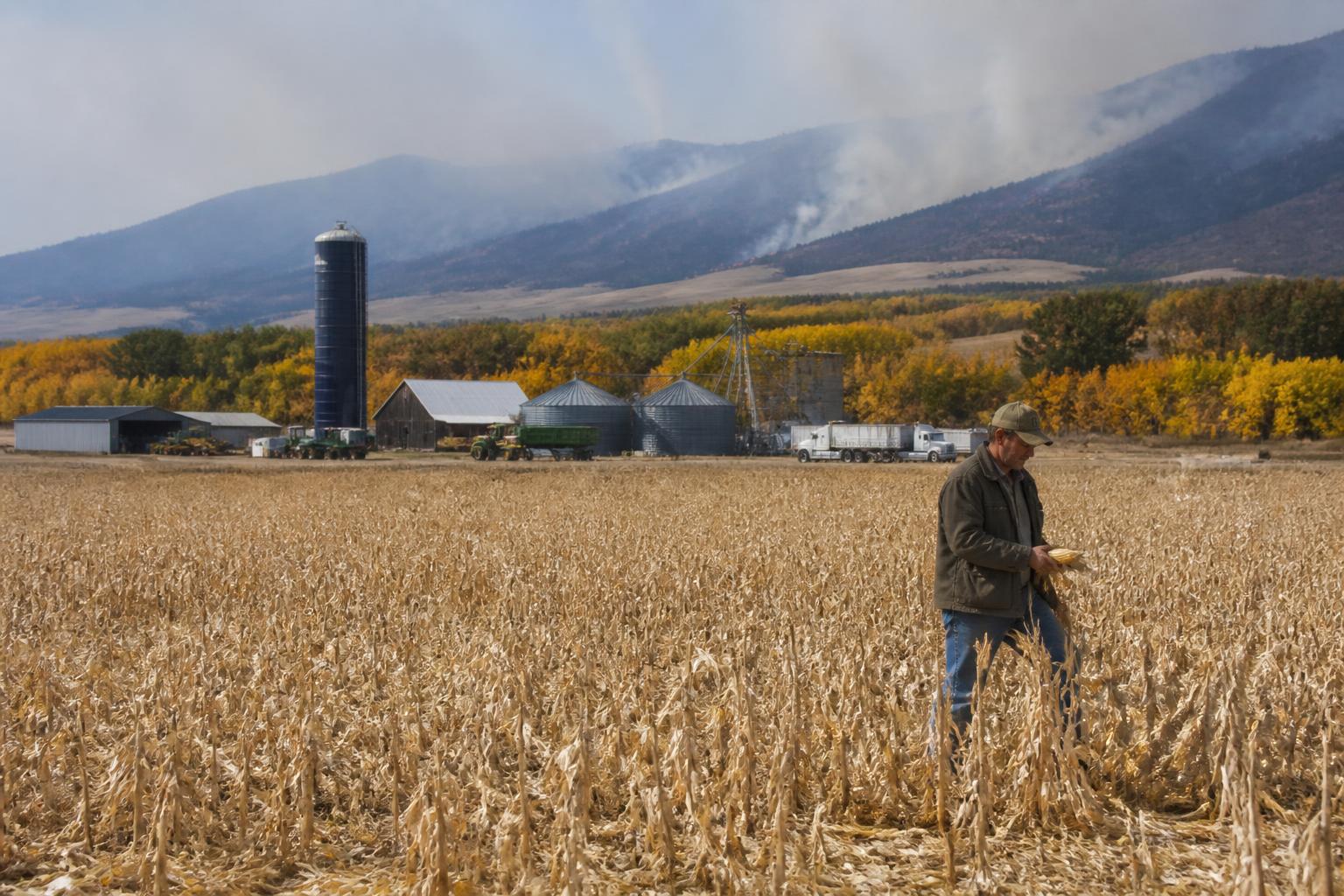
With the autumn season arriving across Montana, producers are shifting their focus from harvest logistics toward soil management and fertility planning. For many operations, the fall window offers a critical opportunity to address nutrient profiles before the ground freezes, allowing for more streamlined spring planting schedules. As local farmers navigate this transition, recent developments in agricultural technology are providing new, farmer-led approaches to crop nutrition that prioritize efficiency and site-specific application.
Refining Soil Nutrition Strategies
Managing nutrient inputs remains a top priority for Montana agribusinesses aiming to optimize yields while navigating shifting market variables. Whether integrating new biological products or traditional amendments, growers are increasingly looking at ways to stabilize inputs against environmental stressors. Effective agrologistics remain essential during this period, as ensuring timely delivery of fertilizers is just as important as the timing of the application itself.
Supply Chain Reliability and Local Access
While global fertilizer markets often face volatility, local operations are continuing to find innovative ways to sustain productivity. From repurposing organic byproducts—such as brewery waste for livestock feed—to testing localized nutrient solutions, the Montana agricultural sector is demonstrating resilience. Keeping a close eye on regulatory and operational updates is advised for elevators and input buyers to ensure that supply chain bottlenecks do not disrupt planned fall work programs.
What it means for the market
For the Montana producer, the focus remains on balancing input costs with long-term soil health. By finalizing fertility programs early in the fall and staying informed on regional logistics, growers can mitigate some of the risks associated with price fluctuations and availability. As the state moves further into the harvest and post-harvest phase, maintaining flexible logistics will be key to managing both nutrient storage and final shipment schedules.
Comments
No comments yet - be the first to share your take.