
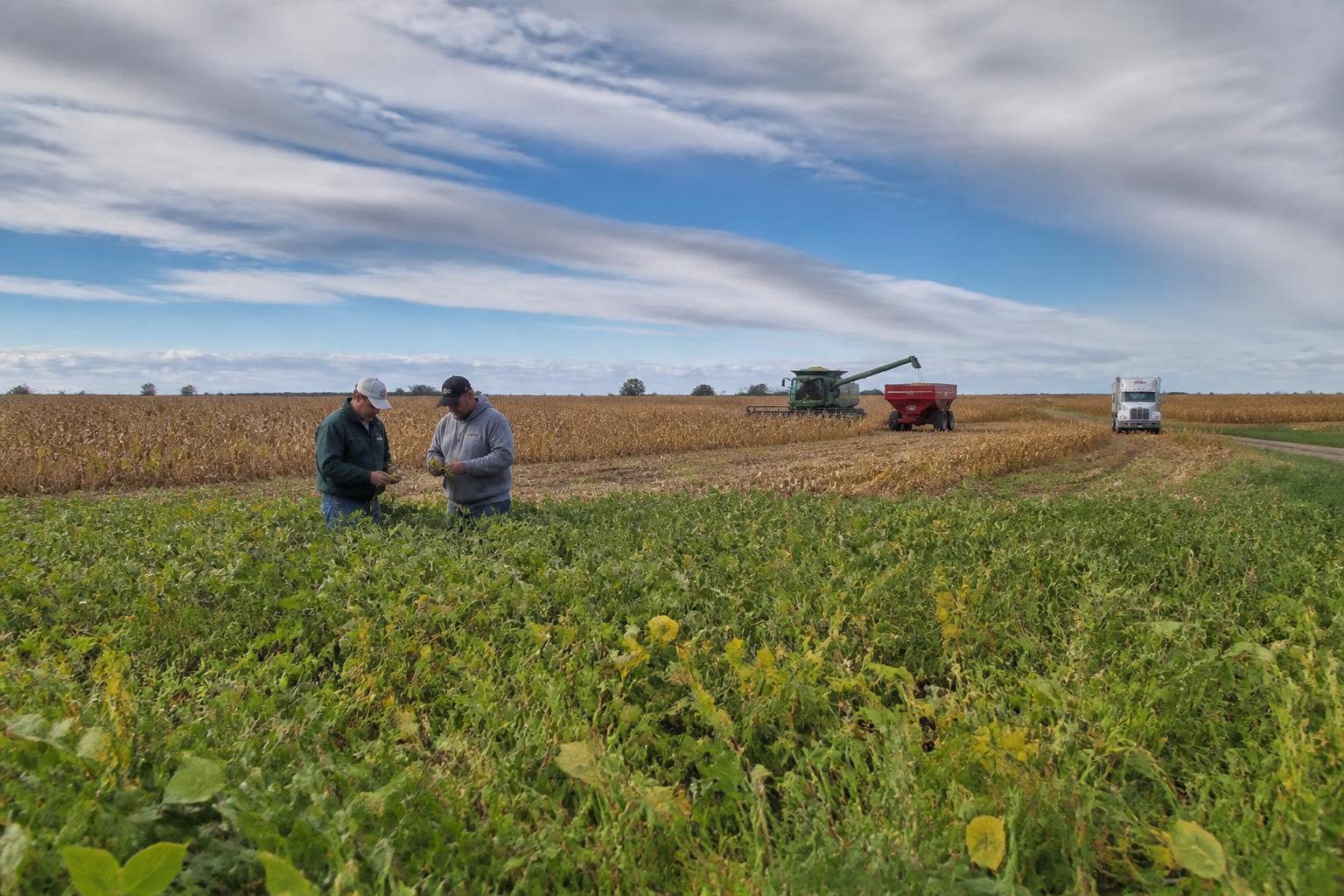
As the fall harvest season gathers momentum across Iowa, agricultural producers are increasingly focused on balancing immediate logistical demands with broader shifts in climate and land management. While local fields show promise following recent weather patterns, the broader market remains sensitive to climate volatility, including the ongoing monitoring of El Niño conditions which continue to influence both domestic output and international trade flow.
For many Iowa grain operations, this time of year brings a renewed emphasis on crop health and input efficiency. Farmers are evaluating performance results from the current season while simultaneously managing the logistical complexities of moving yield to local elevators and regional storage facilities. Strategic planning for crop protection remains a priority for those looking to maximize returns during a period of fluctuating export demand and shifting global commodity prices.
Navigating Evolving Land and Production Standards
The regulatory environment within the state continues to adapt, particularly regarding foreign land ownership laws and conservation initiatives. With Iowa farmers consistently setting records for cover crop adoption, many operations are finding that these soil health practices serve as a cornerstone for maintaining long-term acreage productivity. Understanding the intersection of these practices with current input cost structures is vital for effective resource allocation as producers prepare for the post-harvest cycle.
Logistics and Market Resilience
Market participation in Iowa is often defined by the ability to respond to regional logistics bottlenecks. From the transport corridors serving local ethanol plants to the critical export channels moving corn and soybeans through the Gulf, efficiency in the supply chain remains a key profit driver. Producers who integrate data-driven insights into their field-level management strategies are better positioned to weather the volatility inherent in this year's harvest season.
What it means for the market
Producers should prepare for a season defined by careful inventory management and an intensified focus on cost-to-yield ratios. As the industry faces unpredictable seasonal trends, maintaining flexibility in both storage capacity and input procurement will be essential for navigating the remainder of the 2026 production year.
Comments
No comments yet - be the first to share your take.