
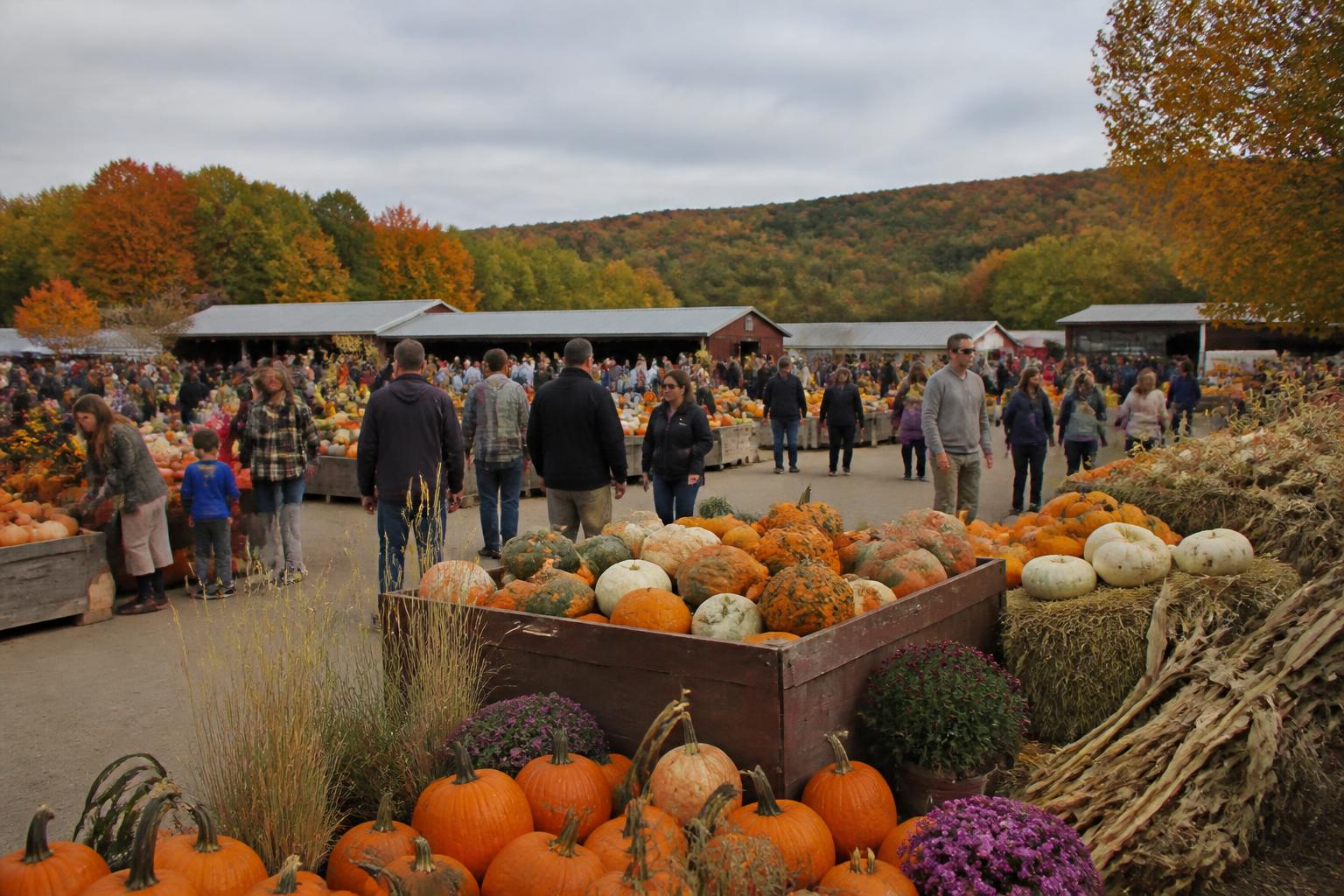
As the Massachusetts agricultural community transitions into the core of the fall harvest, the focus shifts toward securing efficient post-harvest operations. With harvest activities ramping up across the state, from the fertile valleys of the Pioneer Valley to the coastal farming operations, producers are looking to balance seasonal labor demands with the necessity of maintaining high-quality storage. Ensuring that onsite facilities are prepped for incoming yields remains a critical step for those looking to manage market timing effectively, particularly as logistical efficiency during the fall harvest continues to influence regional profitability.
Navigating Market Dynamics and Storage
Producers are balancing the reality of global market pressure with local demand. While international grain markets may exhibit volatility, regional handlers are increasingly emphasizing the value of smart storage decisions. Keeping grain in optimal condition often requires diligent monitoring of moisture levels and pest management, as even minor spoilage can erode the margins of a hard-won crop. For many in the Commonwealth, the ability to store grain on-site offers a crucial buffer against immediate price fluctuations, a topic frequently discussed when optimizing Massachusetts grain storage for better market positioning.
Supporting Local Resilience
Beyond traditional grain logistics, the broader landscape for Massachusetts growers involves a multifaceted approach to farm viability. Many operations are exploring diverse avenues to sustain their livelihoods, ranging from participating in community-focused health incentive programs to direct-to-consumer farmstand models. This resilience is often bolstered by a commitment to diversifying production, which can act as a secondary hedge when primary commodity prices face downward pressure. As highlighted in discussions regarding navigating fall market volatility, protecting operational resources is essential for weathering the unpredictable nature of agricultural cycles.
What it means for the market
For the Massachusetts grain sector, the current season underscores a need for tactical patience. While producers cannot control global supply trends or international tariff structures, the focus remains on internal control: maximizing storage capability, minimizing post-harvest loss, and leveraging direct marketing opportunities. Producers who prioritize these operational efficiencies are better positioned to maintain consistent revenue streams as they navigate the remainder of the autumn season.
Comments
No comments yet - be the first to share your take.