
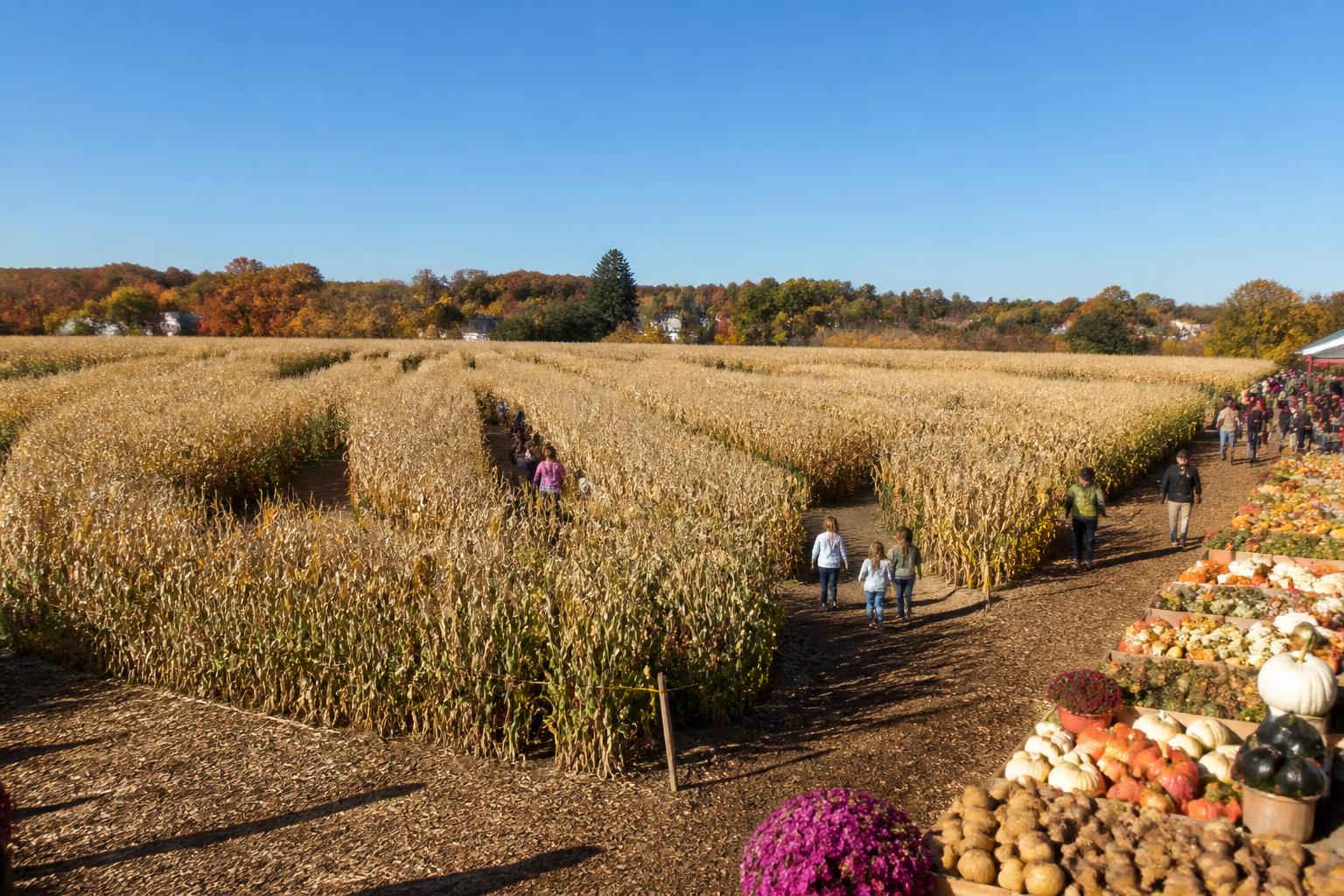
With the autumn harvest season now in full swing, Massachusetts growers are turning their attention toward critical logistics, including drying capacity and facility management. For many family-owned operations and larger agricultural enterprises across the state, ensuring that grain reaches storage in optimal condition is a top priority for maintaining quality through the winter months.
Effective grain storage and preparation remains a cornerstone of seasonal profitability. Whether managing traditional crop varieties or organic grains, the ability to regulate moisture levels immediately after harvest can significantly reduce post-harvest losses. Producers often look to integrate upgraded drying technology to handle fluctuating yields and weather patterns that define late-season field work in New England.
Infrastructure and Seasonal Efficiency
As farm operators evaluate their storage and logistics, the focus frequently shifts toward maximizing existing infrastructure. In regions like the Berkshires or the fertile pockets of the Connecticut River Valley, producers often find that strategic investments in ventilation and monitoring systems yield significant dividends during the peak of the fall rush. Maintaining clean, dry facilities is essential for those looking to sell grain in Massachusetts while seeking better price discovery in a volatile market.
Managing Market Volatility
Beyond technical field operations, understanding the broader market environment is vital for Massachusetts agribusinesses. While global grain trends and fertilizer availability often influence broader input costs, local growers are increasingly finding success by diversifying their outputs and leveraging direct-to-consumer farm stores. By focusing on quality control and efficient storage, farmers can better protect their margins against external market pressures.
What it means for the market
For Massachusetts producers, this fall season emphasizes the need for proactive logistics. Those who prioritize grain quality through improved drying and storage capabilities will be better positioned to navigate the complexities of the current harvest. With supply chains constantly shifting, keeping a close eye on regional storage capacity and local buyer demand remains a practical strategy for protecting revenue and ensuring farm-level resilience.
Comments
No comments yet - be the first to share your take.