
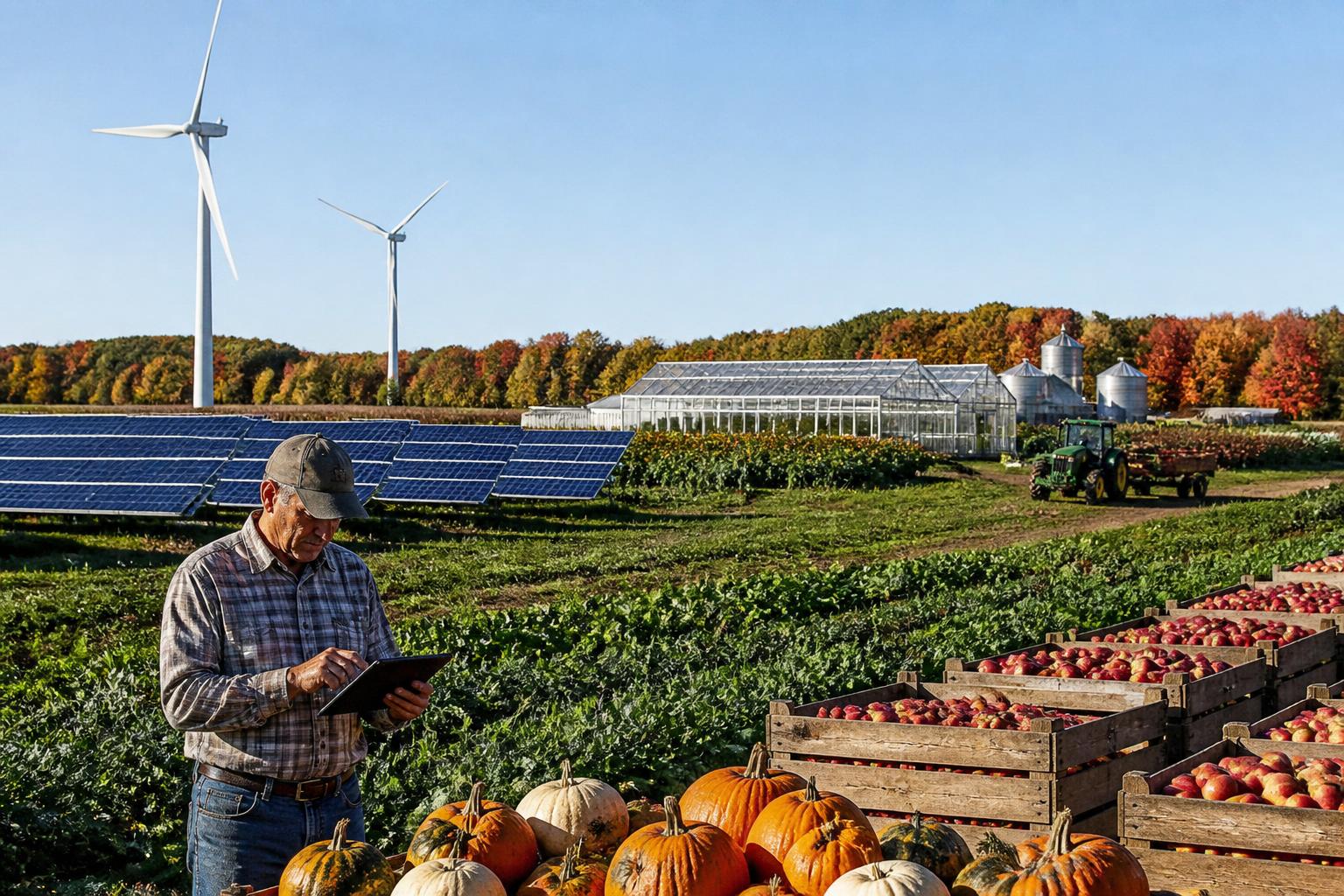
As the fall harvest season accelerates across Alabama, farmers and agribusinesses are shifting their focus toward maximizing operational efficiency. Given the logistical demands of peak transport season, many producers in the state are finding that precise management tools can help mitigate the bottlenecks often associated with moving grain to regional elevators and storage facilities. Whether coordinating with local carriers or managing on-farm storage, timely data is becoming as essential as mechanical reliability.
The Role of Smart Nutrient Management
Efficiency gains are being realized through improved field-level practices. For instance, producers are increasingly adopting 4R nutrient stewardship to ensure fertilizer applications are optimized for crop needs. By refining nitrogen balance and utilizing more precise application strategies, growers may better control input costs while protecting soil health. These practices are helping farmers stay resilient, even as they navigate broader challenges in the agricultural supply chain.
Building Logistics Resilience
Logistics continue to be a primary concern for Alabama producers as the harvest window narrows. For those managing complex transport needs, understanding the dynamics of seasonal traffic is vital for maintaining margins. By integrating digital tracking and improving overall coordination between the field and the port, agribusinesses can reduce the impact of transit delays. As technology adoption grows, the integration of digital twins and traceability protocols is also showing potential for smoothing the path from harvest to market.
What it means for the market
For the Alabama agribusiness community, the current season underscores a clear trend: the intersection of technology and traditional management is no longer optional. As producers balance yield potential with logistical realities, those utilizing modern data tools for nutrient efficiency and transport scheduling are better positioned to weather price volatility and infrastructure strains. Staying informed on regional transport bottlenecks will remain a critical success factor as the harvest progresses.
Comments
No comments yet - be the first to share your take.