
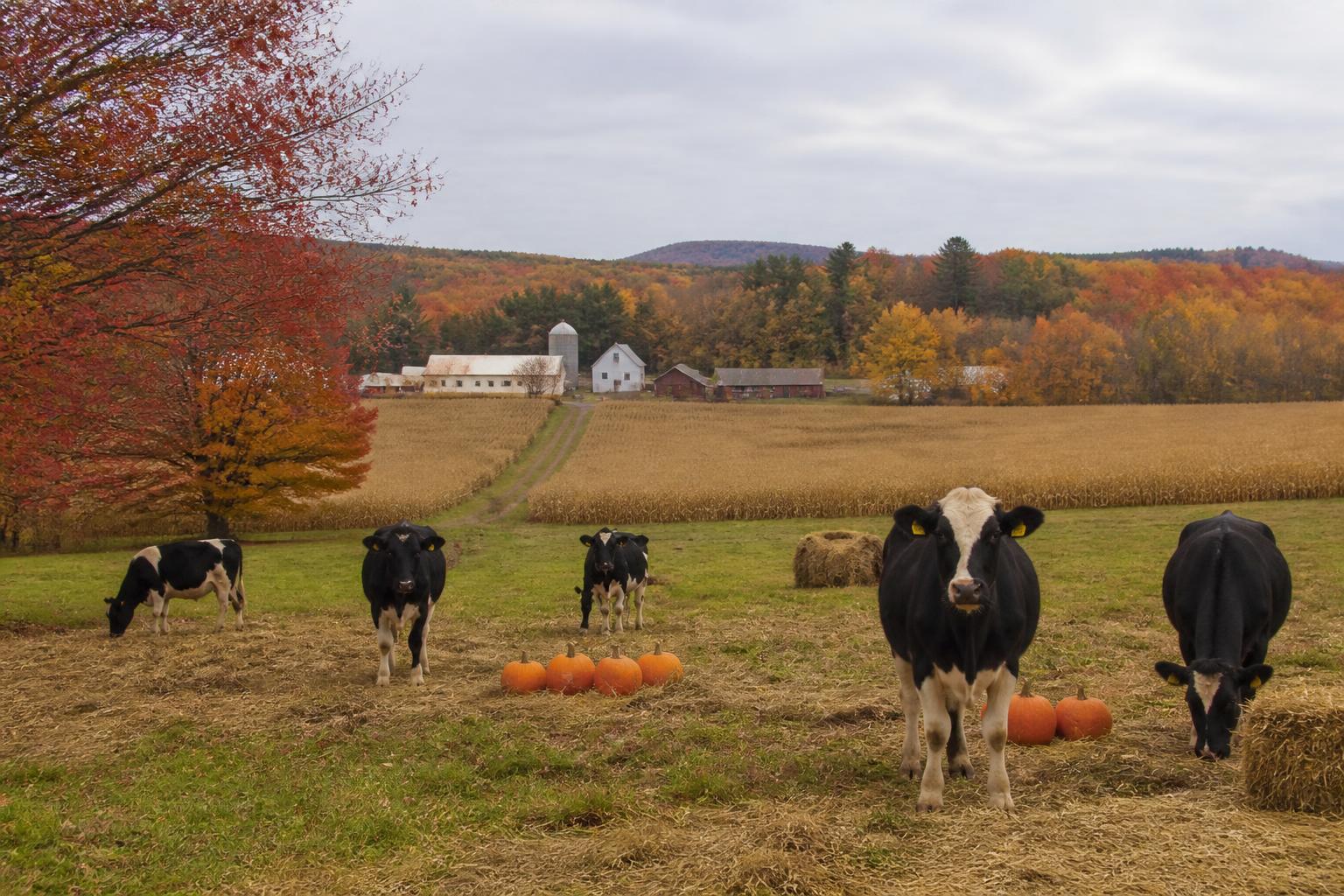
As the fall harvest season winds down in New Hampshire, agricultural producers and supply chain stakeholders are turning their focus toward end-of-season logistics. Maintaining throughput during these final weeks is critical, as regional transport networks adjust to the seasonal shift in cargo demands. For many local operators, efficiency in moving grain and specialty crops remains a top priority to ensure that products reach processors and markets before the onset of winter conditions.
Beyond immediate logistical concerns, the state agricultural sector is keeping a close watch on legislative updates. Recent negotiations between the New Hampshire House and Senate have reached an agreement concerning agricultural PFAS contamination, a development that may influence long-term land management and compliance strategies for farms across the state. Staying informed on these policy shifts is essential for maintaining business continuity and navigating potential remediation requirements.
Monitoring Emerging Threats and Resource Management
In addition to regulatory and logistics focus, producers should be aware of shifting environmental conditions. The recent presence of the spotted lanternfly in New Hampshire has prompted increased scrutiny of orchard and crop health. Monitoring for such pests is a vital component of integrated pest management as growers transition into winter preparation. Farmers are encouraged to utilize resources from organizations like the USDA Climate Hubs to better understand how to optimize their operations in response to these evolving ecological challenges.
For those looking to streamline their supply chain, understanding the regional constraints is key. You can find more detail on managing operational flow in our recent fall logistics update. Effective management of these resources often serves as a competitive advantage during the final quarter of the year.
What it means for the market
The market in New Hampshire remains in a state of cautious transition. While the focus has shifted from the peak of harvest to post-harvest processing and winterization, the dual pressures of regulatory compliance and pest management create a complex environment. Operators who prioritize proactive communication with their transport partners and stay updated on the latest environmental guidance will be better positioned to manage costs and sustain productivity heading into the new year.
Comments
No comments yet - be the first to share your take.