
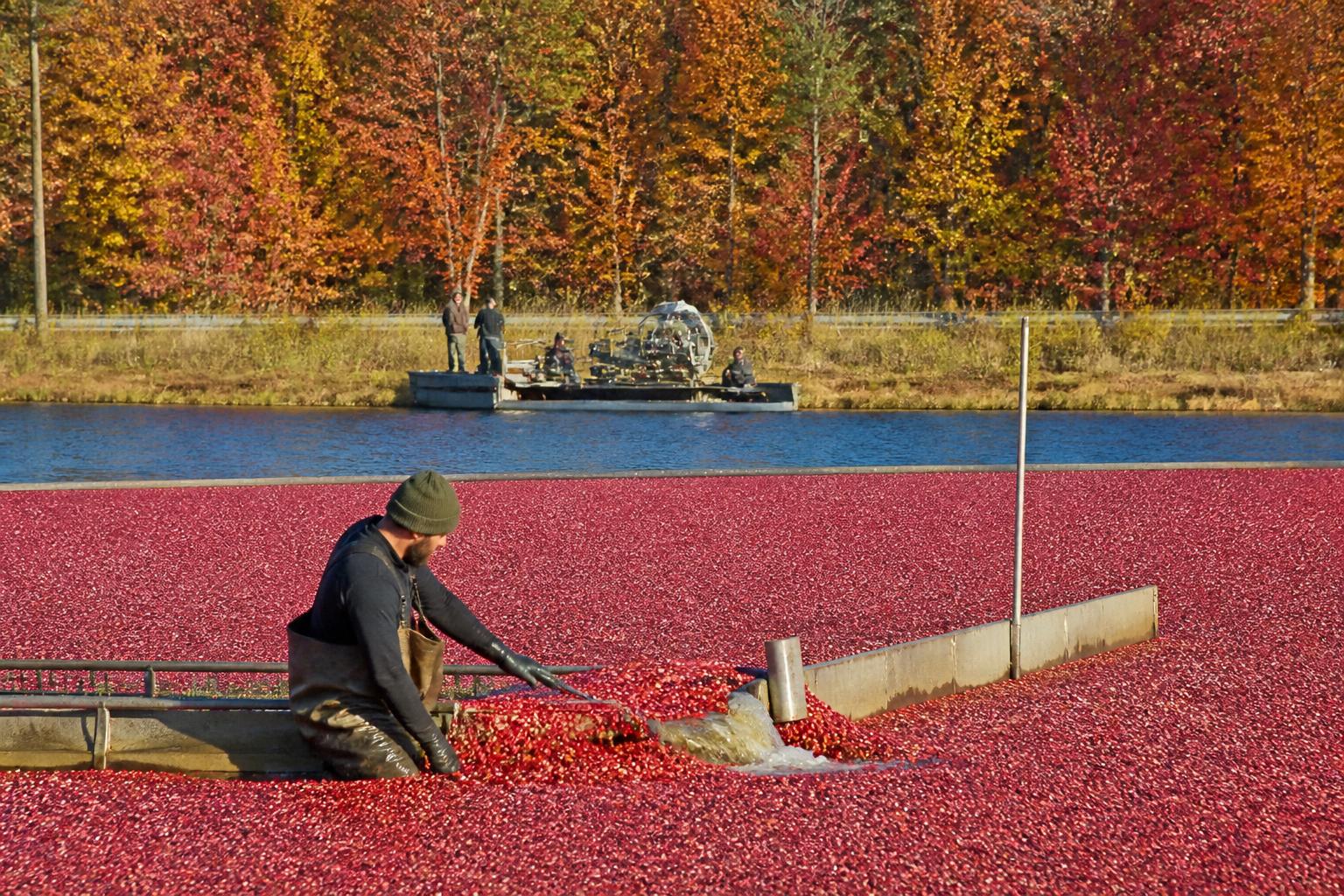
The agricultural landscape in New Jersey is in the midst of a critical fall window, where efficiency in logistics and supply chain management remains a top priority for producers and handlers. Whether moving late-season harvests from the field to storage or preparing for market distribution, the state's proximity to dense urban corridors necessitates precise planning. Farmers in regions like Warren County continue to balance the benefits of preserved farmland with the operational pressures of maintaining competitive distribution networks.
For those managing the flow of goods, understanding the localized impacts of seasonal traffic is essential. Recent initiatives focused on sustainable food waste reduction and the integration of new agricultural technologies may influence how operations scale in the coming months. Successfully navigating New Jersey farm logistics requires a proactive approach to regional infrastructure, ensuring that products move reliably from the farm gate to the dinner table despite the inherent volatility of the current market.
Adapting to Operational Challenges
Agribusinesses across the Garden State are increasingly looking toward innovation to mitigate risk. From the adoption of drone technology for field monitoring to advancements in hydroponic systems, the sector is seeing a shift toward precision management. These investments often serve as a buffer against unpredictable weather events, which have historically posed significant risks to crop stability in various parts of the state.
Furthermore, as producers evaluate their supply chains, many are keeping a close eye on broader market trends. For instance, the evolving interest in fall logistics and market recovery highlights the importance of adaptability. Growers who maintain flexible transportation arrangements and stay informed about input availability may find themselves better positioned to handle the seasonal influx of produce.
Strategic Planning for Producers
Looking ahead, the emphasis remains on long-term sustainability and resource efficiency. As organizations continue to work with state agencies to bolster food security, farmers have opportunities to engage in programs that align production with broader environmental goals. Addressing these logistical hurdles is not merely about surviving the current season but about building a resilient model that supports the ongoing vitality of New Jersey's diverse agricultural base.
Staying current with localized trends, such as those discussed in recent New Jersey harvest updates, remains a vital tool for those aiming to streamline operations and optimize the movement of commodities through the state's intricate transit corridors.
What it means for the market
For farmers and logistics providers, the remainder of the fall season demands a focus on steady, reliable throughput. Market participants should anticipate continued scrutiny on transit efficiency and regional distribution capabilities. By prioritizing clear communication with transporters and utilizing data-driven management tools, agribusinesses can better navigate the seasonal complexities that define the New Jersey agricultural market this year.
Comments
No comments yet - be the first to share your take.