
Market Trends and Operational Shifts
As we move through the autumn season, Vermont's agricultural landscape is navigating a period of adjustment. After touching significant lows earlier in 2026, both energy and agricultural commodity markets have begun to show signs of a rebound. This recovery is largely attributed to tightening supply chains and rising logistics costs, which are impacting operations from the Champlain Valley down to the southern reaches of the state.
For local producers, these shifts emphasize the need for careful resource management. Whether moving feedstocks across regional highway corridors or managing input costs for upcoming winter cycles, the current environment demands a focus on operational efficiency. Those involved in the dairy and grain sectors are particularly focused on mitigating the impact of fluctuating expenses on overall profit margins.
Embracing Niche and Sustainable Models
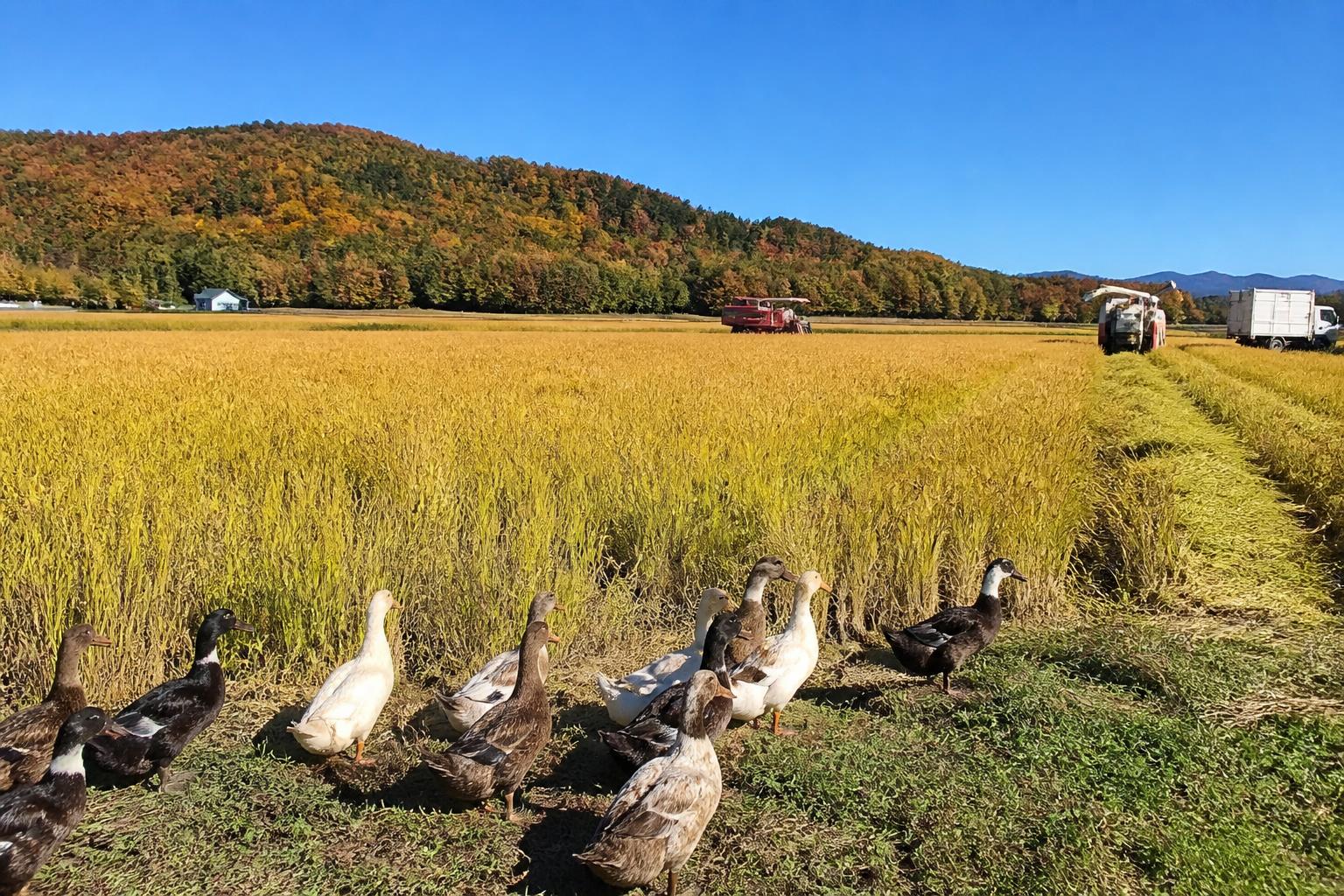
Beyond traditional commodities, Vermont continues to foster unique, sustainable farming practices. Innovative approaches, such as integrating livestock into grain production, are drawing attention as viable ways to enhance soil health and crop diversity. These methods can often serve as a buffer against market volatility by creating distinct, higher-value products that cater to specialized consumer demands.
Adopting these diversified models requires a shift in traditional farm management. Growers are increasingly looking at how to balance these ecological goals with the practical realities of land stewardship and regulatory compliance. Understanding these long-term management shifts is essential for farmers aiming to remain competitive in a changing regional market.
What it means for the market
The convergence of a commodity price rebound and an uptick in logistics costs means that margins remain tight. Vermont farmers should continue to prioritize cost-containment strategies while exploring how sustainable, value-added production models might offer a path to greater market resilience in the coming quarters.
Comments
No comments yet - be the first to share your take.