
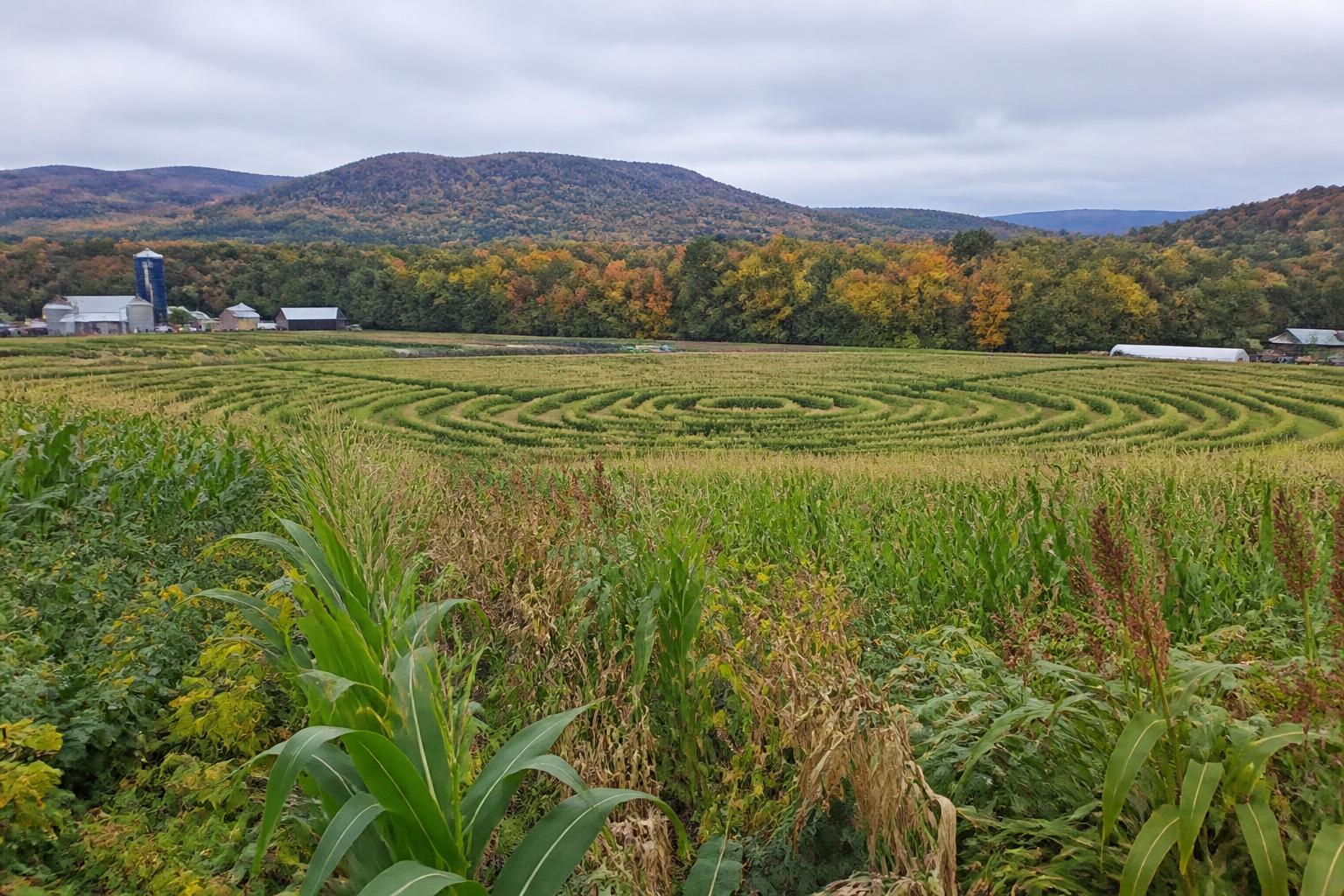
As the fall season brings harvest activities into full swing across Vermont, local growers and agribusinesses are navigating a complex intersection of operational pressures. From the rolling hills of the Northeast Kingdom to the productive lowlands, farmers are observing how shifting climate patterns and regulatory updates are influencing their management decisions this year.
For many, the focus remains on balancing traditional crop production with modern stewardship. Resource management has become a primary consideration for those looking to ensure long-term soil health and biodiversity. Growers are increasingly evaluating their input strategies, particularly as the state continues to refine its approach to synthetic chemical use, including the notable prohibition of certain herbicides that were previously common in farm management.
Adapting to a Changing Regulatory and Climatic Landscape
The agricultural sector is also seeing a heightened focus on how market volatility and biodiversity pressures shape daily operations. Whether it is managing water runoff or integrating protective measures for local pollinator populations, the emphasis on sustainability is influencing how producers approach the current harvest. For those managing dairy and grain operations, staying current with operational pressures is essential to maintaining profitability as seasonal weather patterns continue to fluctuate.
Practical Steps for Fall Resilience
In addition to regulatory changes, climate volatility remains a recurring theme for Vermont producers. Many are finding that traditional planning cycles are being tested by erratic moisture levels and early season temperature shifts. This environment necessitates a more flexible approach to crop protection and resource allocation. For insights into how these variables are affecting production, producers are encouraged to monitor regulatory shifts and operational resilience as the season moves toward winter dormancy.
Ultimately, the ability to adapt to these shifting conditions depends on a combination of technology, historic knowledge, and proactive planning. While the challenges are significant, many Vermont farms continue to find ways to integrate conservation goals with production demands to maintain a stable, viable future.
What it means for the market
Producers should anticipate ongoing scrutiny regarding chemical inputs and land management practices. As the market transitions into the late harvest phase, those who prioritize diversified risk management and regulatory compliance will be better positioned to navigate the potential supply chain and cost pressures that typically accompany this time of year.
Comments
No comments yet - be the first to share your take.