
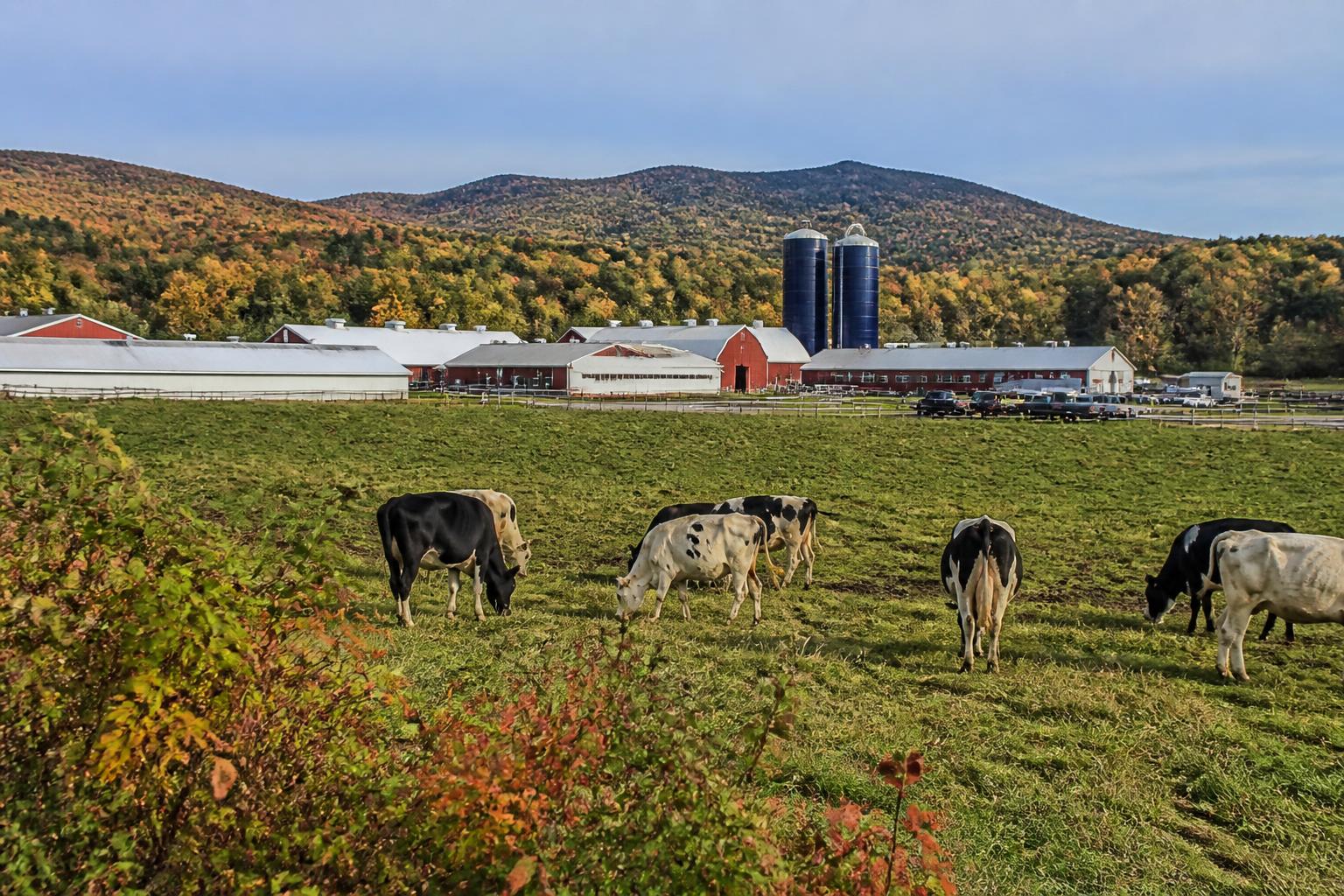
As the fall season takes hold across Vermont, producers are increasingly focused on balancing operational costs with shifting market signals. Dairy operations have recently seen notable price adjustments, prompting farmers to re-evaluate production strategies to maintain margins in a fluctuating commodity environment. This period of transition often requires a keen eye on both internal efficiency and regional market trends as Vermont agribusinesses navigate resource shifts and evolving management practices.
The current landscape is defined by a dual focus on environmental stewardship and production stability. Recent findings regarding nutrient runoff from corn and soy operations continue to influence local discussions on land management, pushing many grain growers to seek new techniques that protect water quality without compromising crop yields. For many, this has led to increased participation in collaborative learning environments and local workshops, where growers share insights on integrated production models.
Adapting to Regulatory and Environmental Shifts
Vermont farmers are also adapting to legislative changes that affect day-to-day operations. The state has moved forward with restrictive measures on certain chemical inputs, a change that requires producers to recalibrate their weed management programs for the coming cycles. These regulatory shifts necessitate long-term planning, as growers work to maintain productivity while complying with updated environmental protections.
Furthermore, the development of enhanced weather monitoring infrastructure across the state is poised to provide a better data foundation for decision-making. As producers brace for changing climate patterns, having hyper-local weather intelligence may prove vital for timing harvest activities and managing field access during a season that often brings unpredictable precipitation.
What it means for the market
For Vermont farmers and ag-service providers, the remainder of the fall season will likely center on resource optimization. While external market factors such as export trends for major grains like wheat remain volatile, local operational stability remains the primary lever for success. Producers who prioritize sustainable, low-input practices and stay informed on regional resource sharing programs will be better positioned to navigate these ongoing economic and environmental transitions.
Comments
No comments yet - be the first to share your take.