
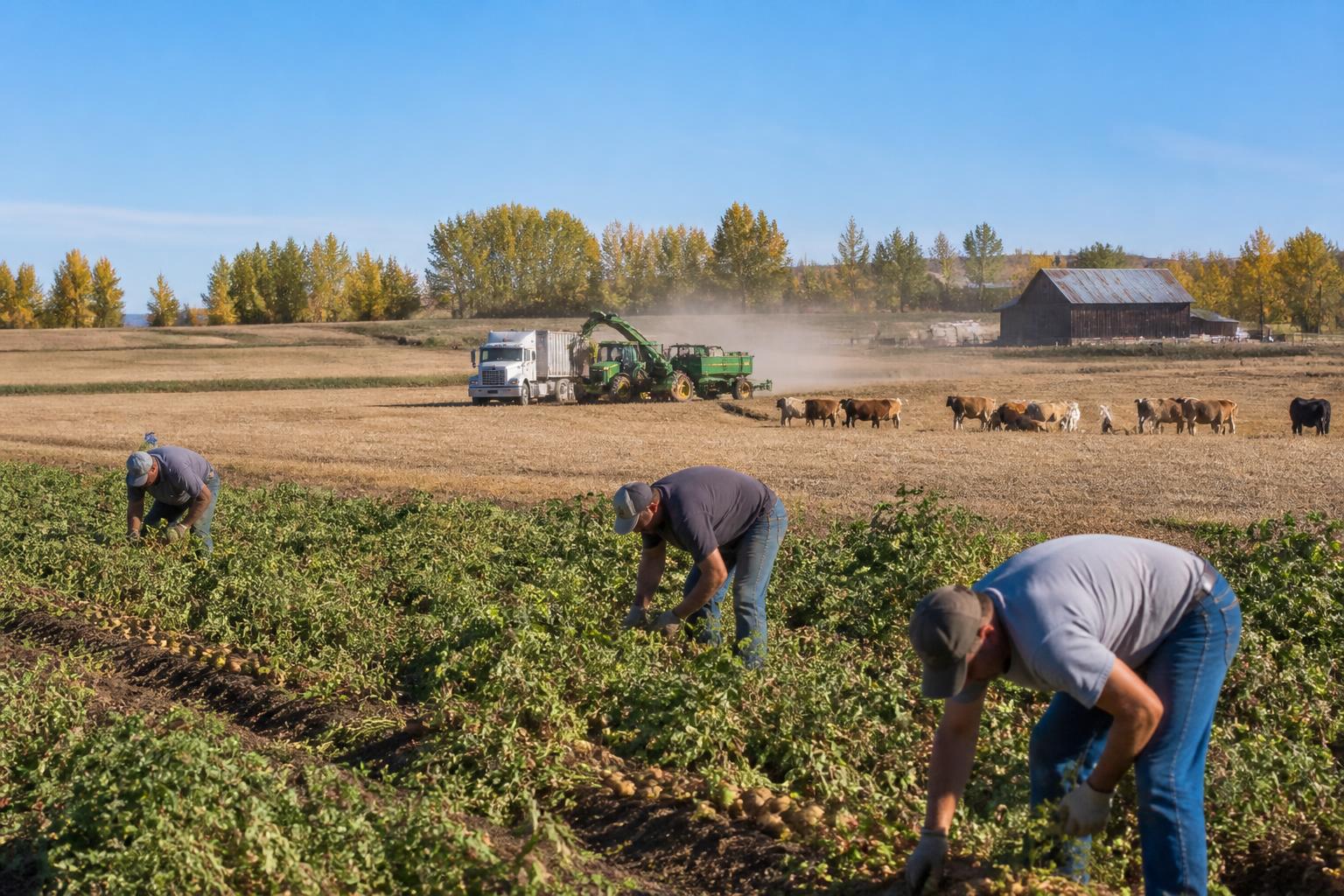
Adapting to a Stronger Agricultural Landscape
With Idaho's agricultural sector reaching notable financial milestones, local producers are increasingly focused on operational efficiency. As the harvest season progresses, managing input costs remains a central theme for farm managers balancing the high output seen across regional commodities. The current market environment suggests that careful planning for the upcoming season is essential to maintaining margins, especially as Idaho fertilizer market trends continue to show sensitivity to supply chain shifts and broader economic factors.
Strategic Planning for Soil Health
As fields begin to clear, the focus shifts toward nutrient management and soil preparation. For many Idaho growers, especially those in the high-production valleys, the period immediately following harvest is a critical window for testing and strategic purchasing. Evaluating nutrient needs now allows agribusinesses to lock in inventory ahead of potential seasonal bottlenecks or volatility in supply costs. Implementing data-driven nutrient application strategies can help mitigate risks while supporting the high yields that define the state's agricultural output.
Managing Risk and Input Investments
Beyond current market performance, producers are navigating a landscape defined by global trade variables and regional logistics. The interplay between record-setting commodity sales and the cost of necessary inputs requires a proactive approach to risk management. Staying informed on regional availability and leveraging local grain and input handler partnerships is often the best defense against unforeseen market shifts. Whether dealing with grain, dairy, or row crops, diversifying supply procurement and securing essential inputs early can offer a buffer against price fluctuations that typically emerge late in the calendar year.
Key Takeaways
- Use post-harvest downtime for comprehensive soil nutrient analysis to refine application plans.
- Proactive engagement with regional input suppliers can mitigate the impact of seasonal supply chain tightening.
- Monitor the broader economic context, including trade and tariff news, to adjust long-term procurement strategies.
What it means for the market
For the Idaho fertilizer market, the current climate points toward a need for heightened vigilance and strategic advance-buying. While the state's agriculture industry remains strong, the path to sustained profitability relies on minimizing input-side surprises and optimizing logistics during the transition into the next cycle.
Comments
No comments yet - be the first to share your take.