
The Economics of Custom Application in North Dakota
With tight operating margins dominating the conversation across the farm belt, the cost of keeping fields clean has risen. Recent custom work surveys in North Dakota highlight the financial pressure on producers. Custom chemical application, tillage, and planting rates reflect the elevated operational costs that custom operators must charge to maintain their fleets.
For many North Dakota growers, deciding whether to run their own spraying equipment or hire custom applicators is a balancing act. Those choosing self-application face high diesel prices and ongoing equipment maintenance challenges, while those relying on custom services must compete for open slots during tight weather windows. This dynamic is forcing agribusinesses to focus on precision ag technology to reduce chemical overlap and cut input waste.
To better understand these economic challenges, many local producers are navigating high input costs and logistics headwinds this summer, adapting their chemical purchases to protect their overall farm profitability.
Weed and Pest Management in Diverse Rotations
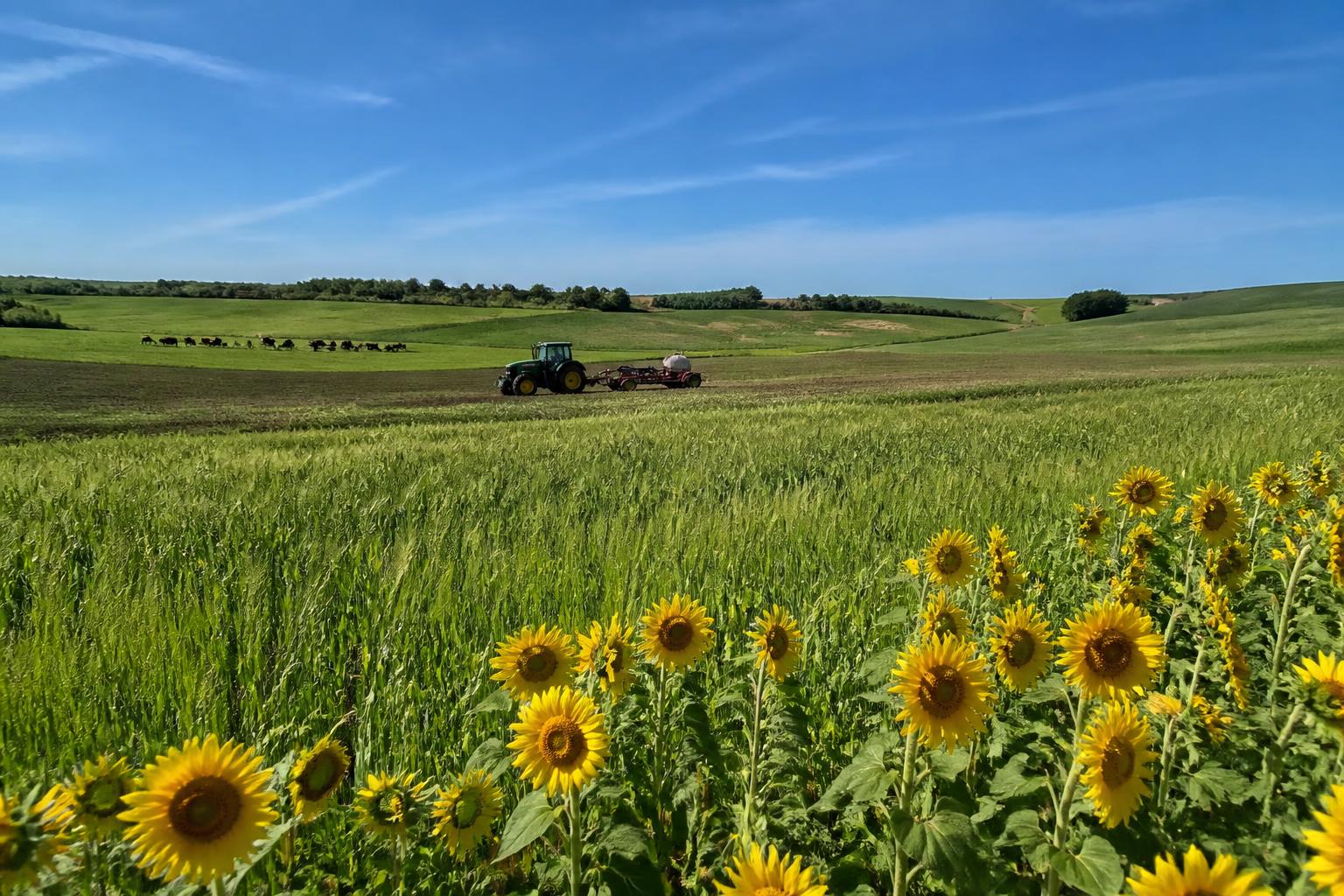
North Dakota's diverse crop rotation brings unique weed control challenges. The state has seen a significant 8% rise in sunflower acreage, a crop that requires careful early-season herbicide stewardship to prevent canopy-stunting weed competition. At the same time, traditional crops like malting barley and spring wheat require highly targeted fungicide applications to ward off foliar diseases, especially in areas that experienced late, wet planting conditions.
Additionally, exploratory crops like industrial hemp in western North Dakota continue to undergo testing to see how they tolerate the regional climate and what crop protection packages are most effective. Because minor crops often have fewer registered chemical options, growers must practice rigorous integrated pest management (IPM) to control weeds without damaging sensitive crops.
Supply Pressures and the Push for Nutrient Efficiency
Crop protection success is closely linked to overall crop health, which relies heavily on proper nutrition. However, the broader agricultural community, including U.S. lawmakers, continues to raise questions about fertilizer supply stability and manufacturer profits as the farm economy faces downward pressure. Proposals like the Northern Plains Nitrogen plant have gained renewed attention as the region looks for local solutions to global supply chain volatility.
When fertilizer is costly or difficult to secure, maintaining strong crop protection becomes even more critical. A crop stressed by nutrient deficiencies is far more susceptible to insect pressure and disease outbreaks. Consequently, North Dakota farmers are increasingly pairing targeted chemical applications with late-season liquid fertilizer top-dressings to optimize plant health with minimal passes.
Key Takeaways for North Dakota Operators
- Evaluate Custom Rates: Compare local custom spraying rates against the labor and depreciation costs of running personal equipment this summer.
- Target Sunflower Protection: With sunflower acreage up 8%, ensure early herbicide applications are completed before the crop canopy closes.
- Coordinate Inputs: Mitigate fertilizer supply concerns by protecting existing plant health with targeted fungicide and pesticide applications to prevent secondary stress.
What it means for the market
For the retail chemical market and agricultural distributors in North Dakota, the summer season will demand high flexibility. Farmers are buying crop protection inputs on an as-needed basis rather than stockpiling, which places a heavy burden on local co-ops to maintain immediate inventory. As weed pressure accelerates under the summer sun, logistics providers and crop advisors who can guarantee timely delivery of chemicals and custom application services will hold a distinct competitive advantage in the Northern Plains market.
Comments
No comments yet — be the first to share your take.