
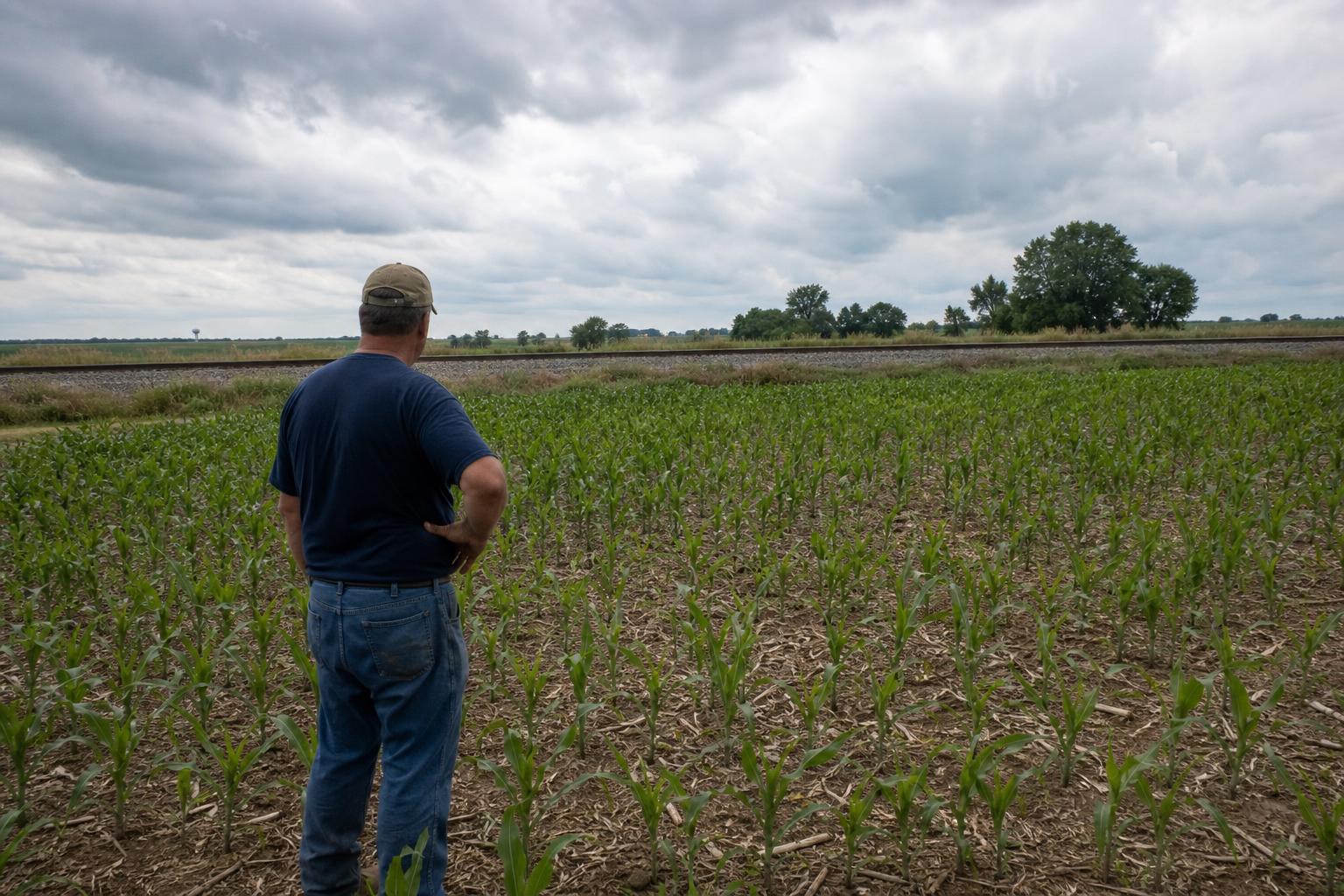
As summer settles over North Dakota, local growers and agribusinesses are navigating a complex landscape of rising input costs, evolving trade dynamics, and significant logistics developments. From cross-border rail concerns to shifts in global demand, the peace of the early summer fields is contrasted by strategic adjustments on the commercial side of operations.
For growers across the state, from the Red River Valley to the western plains, managing cash flow and input logistics remains a top priority. Elevated prices for key crop inputs, combined with shifting international markets, demand careful planning as the growing season progresses.
Input Pressures and Crop Management Challenges
Managing a farm in North Dakota this season requires a close eye on retail input markets. Fertilizer prices have trended higher, alongside moderate increases in seed and chemical costs. These price jumps, combined with earlier diesel fuel volatility, made spring planting decisions particularly difficult for many producers. To successfully navigate these changes, regional operations can review historical trends in North Dakota's agricultural market, which highlights how local growers historically adapt to supply chain adjustments.
Crop development has also faced localized hurdles. Despite early planting progress in some regions, corn emergence stalled across key U.S. producing areas, adding to the general uncertainty. Meanwhile, livestock and crop producers are keeping a close watch on conservation and soil health programs. Companies like Cargill have launched new regenerative agriculture initiatives that pay farmers for improved soil health, offering alternative revenue streams for those looking to offset rising input costs.
Regulatory Compliance and Seed Law Violations
Operating in today's tightly regulated seed market demands strict adherence to intellectual property laws. Highlighting the legal risks of non-compliance, a North Dakota farmer recently paid a $60,000 penalty for violating state and federal seed laws. This serves as a critical reminder for growers across the region to ensure that all seed purchases, sales, and planting practices align with current legal frameworks and patent protections.
Cross-Border Logistics and Export Shifts
North Dakota's proximity to Canada makes local grain elevators and carriers highly sensitive to international logistics. Recent discussions surrounding potential Canadian rail stoppages have raised concerns about widespread disruptions to North American agriculture. Because North Dakota acts as a vital corridor for northern trade, any halt in rail traffic could quickly plug local storage facilities and alter crop movement.
At the same time, major agribusinesses are expanding their northern footprint. Bartlett recently extended its supply chain into Canada with a $140 million acquisition of Ceres Global Ag Corp., signaling deeper corporate integration across the border. These logistics adjustments come at a time when global demand is shifting, notably as China slows its imports of U.S. soybeans, creating additional export pressure for American farmers.
What it means for the market
For North Dakota's agricultural sector, this summer is a test of supply chain resilience. High fertilizer costs and stalled crop development require tight budget management, while shifting trade flows and potential rail bottlenecks underscore the need for flexible marketing strategies. Farmers and grain handlers should secure their transport options early and remain informed on local compliance and voluntary soil health programs to maximize returns in a volatile market.
Comments
No comments yet - be the first to share your take.