
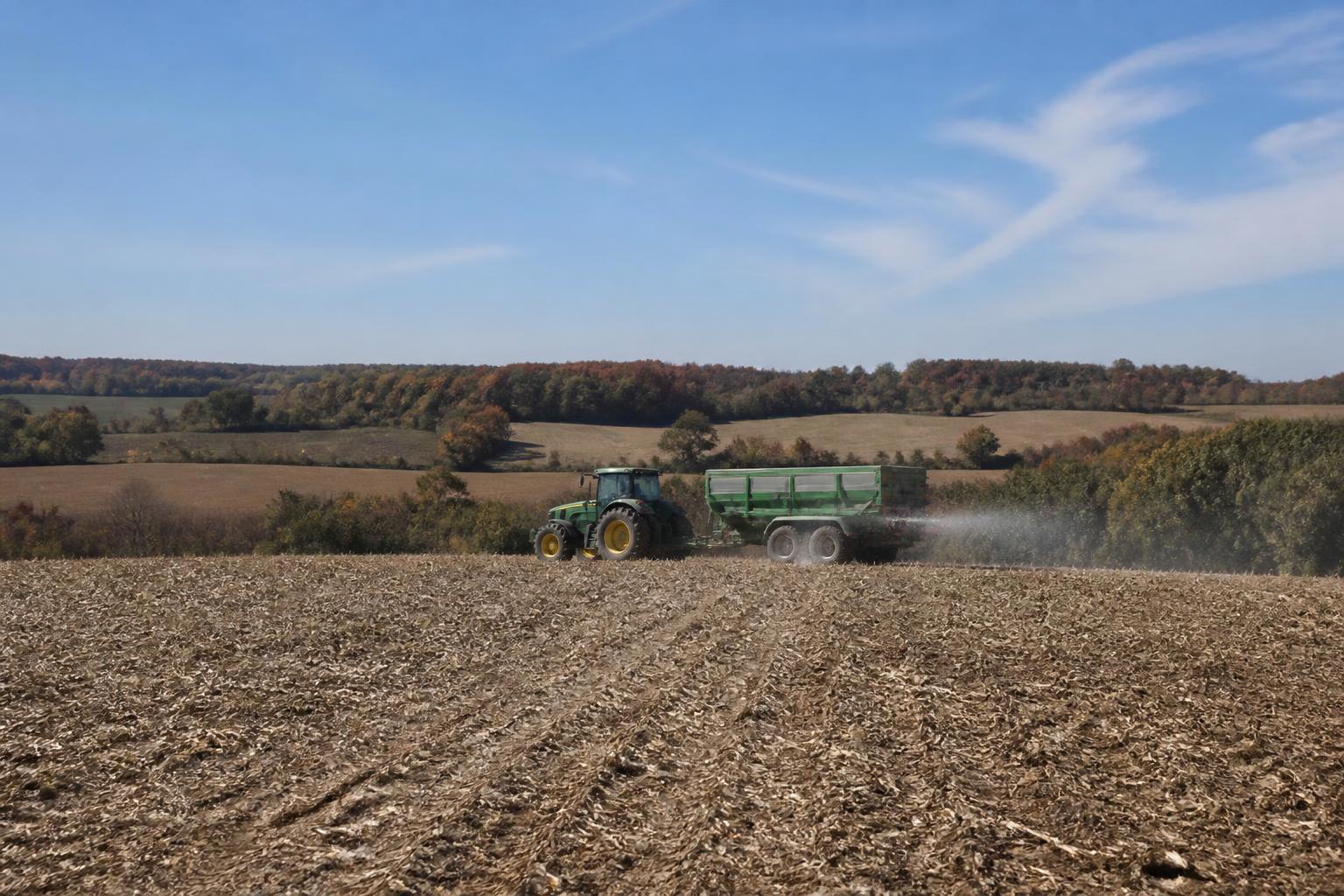
As the fall season progresses across Missouri, producers are turning their attention to post-harvest land management and the critical task of soil preparation. With harvest activity accelerating in many counties, the focus for many farmers is shifting toward addressing late-season weed pressure, particularly with aggressive species like Johnsongrass that can impact future yield potential if left unmanaged.
The current landscape presents a complex environment for growers. Recent reports indicate that agricultural stakeholders are remaining vigilant regarding the long-term impact of variable field conditions on output. Implementing effective control strategies this fall is increasingly seen as a foundational step toward securing field viability for the upcoming planting cycle.
Strategic Focus for Fall Field Management
Beyond traditional weed control, the optimization of fertilizer inputs remains a high priority for agribusinesses. Efficient application timing during these cooler, late-September days helps ensure that nutrients are stabilized in the soil profile, reducing the risk of runoff and maximizing return on investment for the next season.
Growers are also navigating broader industry shifts as organizations ramp up their advocacy efforts. The appointment of new leadership within agricultural alliances highlights the ongoing commitment to protecting rural interests and navigating legislative landscapes, such as managing ongoing policy shifts that affect operational costs and risk mitigation strategies.
What it means for the market
For grain handlers and local elevators, the current activity level suggests a steady flow of product as the industry works through the seasonal transition. Producers who prioritize proactive land care and input management are better positioned to weather the economic headwinds currently affecting the broader commodities sector. Staying informed on localized, real-time logistics and input pricing remains the most effective tool for farmers to maintain a competitive edge during this critical fall window.
Comments
No comments yet - be the first to share your take.