
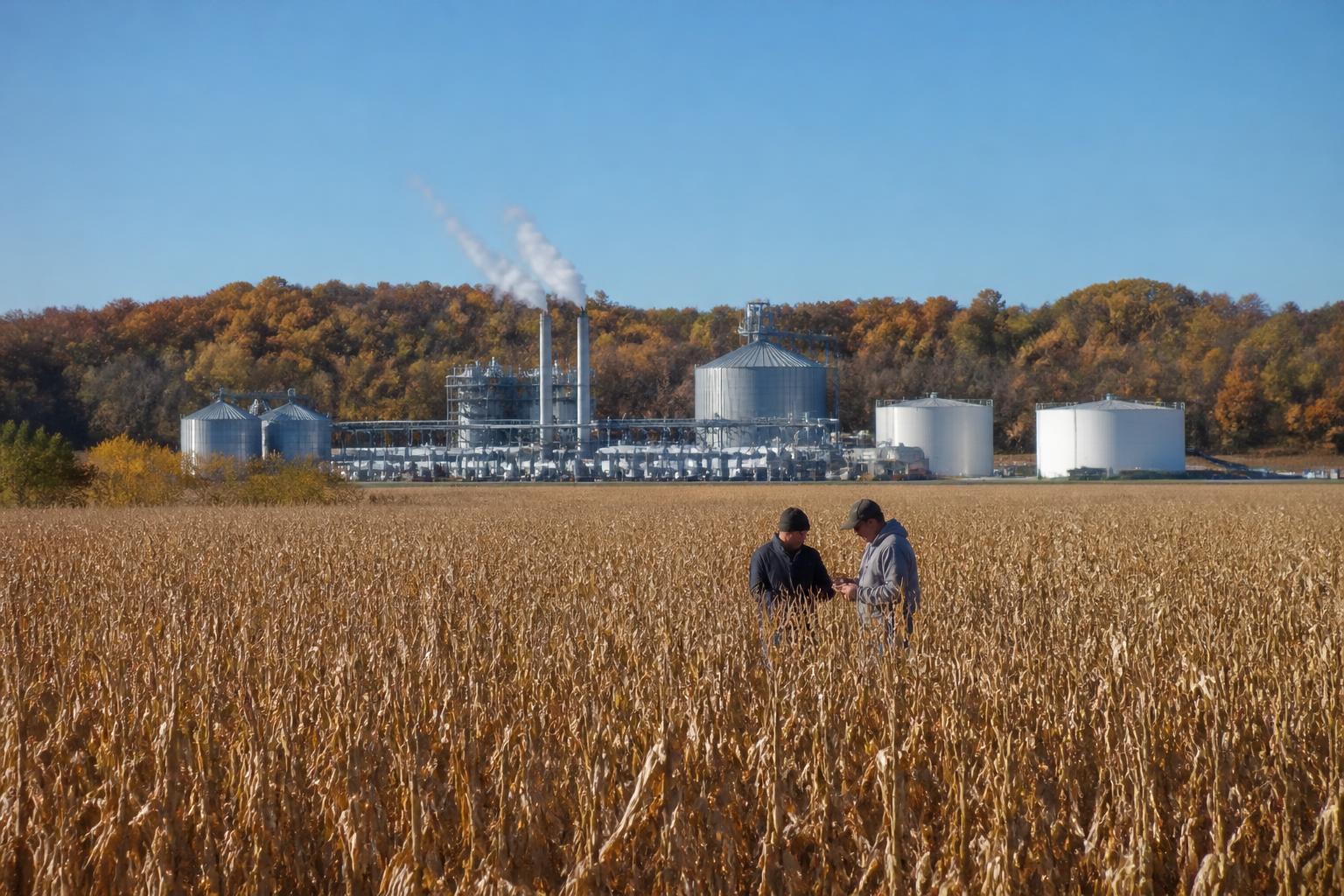
With the bulk of the harvest behind us, Iowa producers are shifting focus from field activity to the complexities of storage and long-term input planning. As grain makes its way to local elevators and river terminals, the logistics chain is facing headwinds. Reduced barge availability on major waterways continues to create friction in the transportation sector, potentially impacting the efficiency of getting Iowa grain to export markets.
For growers evaluating their strategy for the coming season, maintaining a close connection with suppliers is increasingly critical. Recent reports from fertilizer analysts emphasize that proactive communication with retailers can help mitigate potential supply constraints. This period of market adjustment serves as a reminder to prioritize effective risk management when looking at input procurement for the year ahead.
Renewable Energy and Infrastructure Impacts
The Iowa energy landscape is also evolving, with regional operations like biodiesel plants signaling restarts. These developments can influence local grain demand and storage dynamics. Meanwhile, broader industry shifts continue to impact crop protection procurement. Federal regulatory updates, including instances where pesticide registrations have been canceled due to unpaid fees, underscore the importance of staying current on product availability and label changes to avoid unexpected hurdles during the next growing season.
Tech Integration and Regulatory Oversight
Innovation continues to be a core focus, supported by significant investments in agricultural technology across the state. Whether producers are exploring aerial application tools like spray drones or managing modern pest and weed pressures, the integration of new data and hardware is moving quickly. As these tools become standard, producers should monitor how regional water quality and environmental standards may influence the adoption of future chemical and biological solutions.
What it means for the market
The convergence of tightened transport logistics and shifting regulatory landscapes suggests that Iowa agribusinesses should prepare for a period of high variability. By focusing on supply chain resilience and staying updated on regional logistics developments, farmers can better position themselves to weather current disruptions. Maintaining high-quality grain for storage and staying in constant dialogue with input partners remains the best defense against market volatility this fall.
Comments
No comments yet - be the first to share your take.