
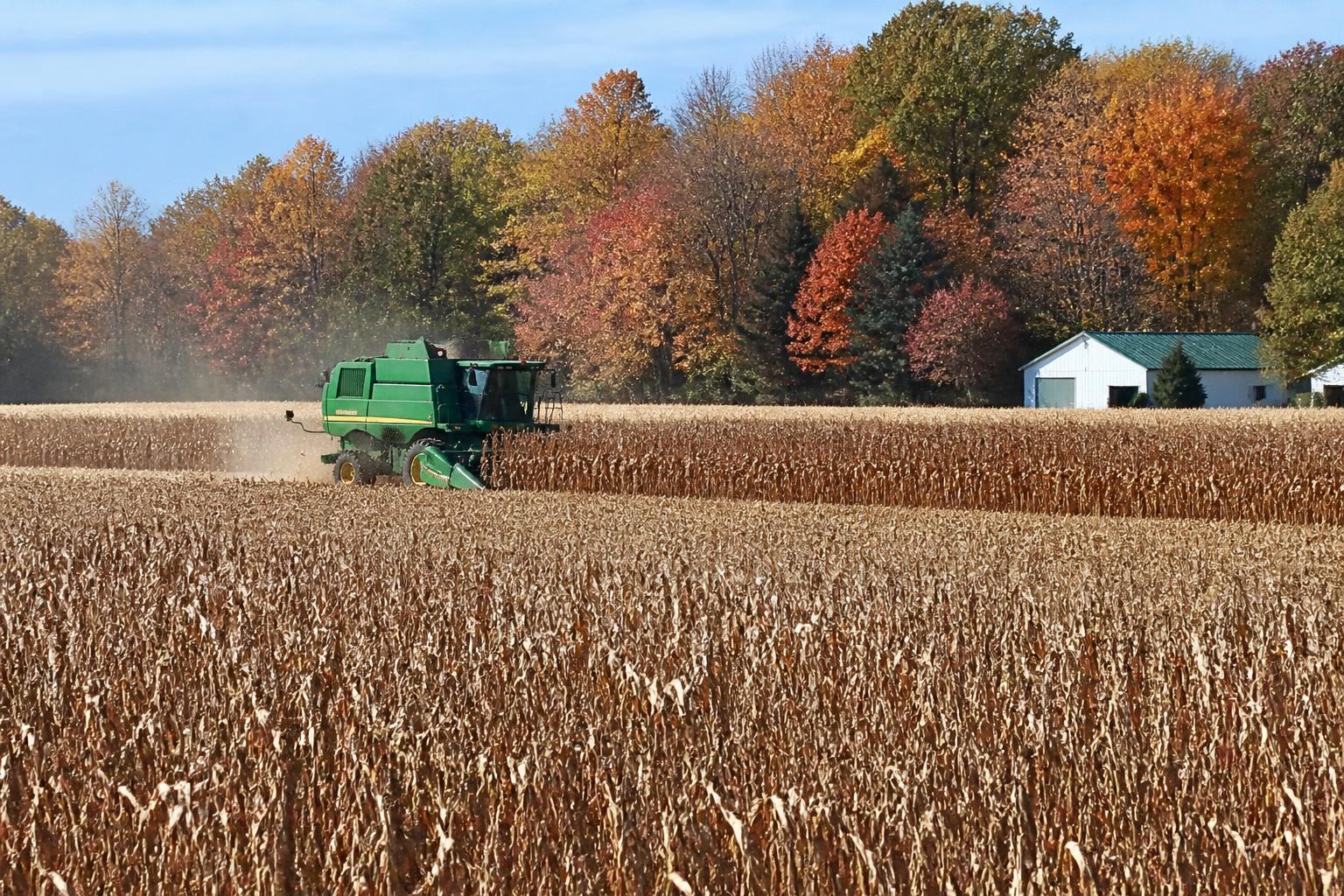
As harvest activities wrap up across Minnesota, the focus for many producers is shifting from the combine cab to the balance sheet. While fields across the state are seeing final crops coming in, the financial landscape remains complex. Input costs continue to be a primary concern for agribusinesses and farmers alike, with market volatility creating significant challenges for planning the upcoming season.
Farmers are being urged to carefully evaluate fall fertilizer applications. With fluctuating prices, many in the industry are reconsidering traditional application strategies to balance yield goals with tightening profit margins. These financial pressures are forcing a more disciplined approach to risk management as operations look ahead to 2027.
Legislative Headwinds and Market Stability
The uncertainty surrounding the next farm bill remains a significant variable for the agricultural sector. With current legislative timelines becoming increasingly narrow, many stakeholders are bracing for potential delays in policy updates that could impact support programs. This uncertainty creates a cloudy outlook for future farm income, as producers attempt to navigate both local market conditions and broader national economic trends.
Operational costs, particularly for fuel and essential inputs, continue to add stress to farm finances. In many regions of Minnesota, logistics and grain handling remain efficient, yet the overall cost of production is forcing a critical look at how to protect against sudden price spikes in the supply chain.
What it means for the market
For Minnesota farmers and agribusinesses, the current period is characterized by a need for extreme caution. With income projections remaining uncertain, many are prioritizing liquidity and delaying major capital expenditures until there is greater clarity on both commodity pricing and potential legislative relief. Focusing on precision input management and staying informed on regional logistical shifts will be essential to mitigating the impact of ongoing cost volatility through the winter months.
Comments
No comments yet - be the first to share your take.