
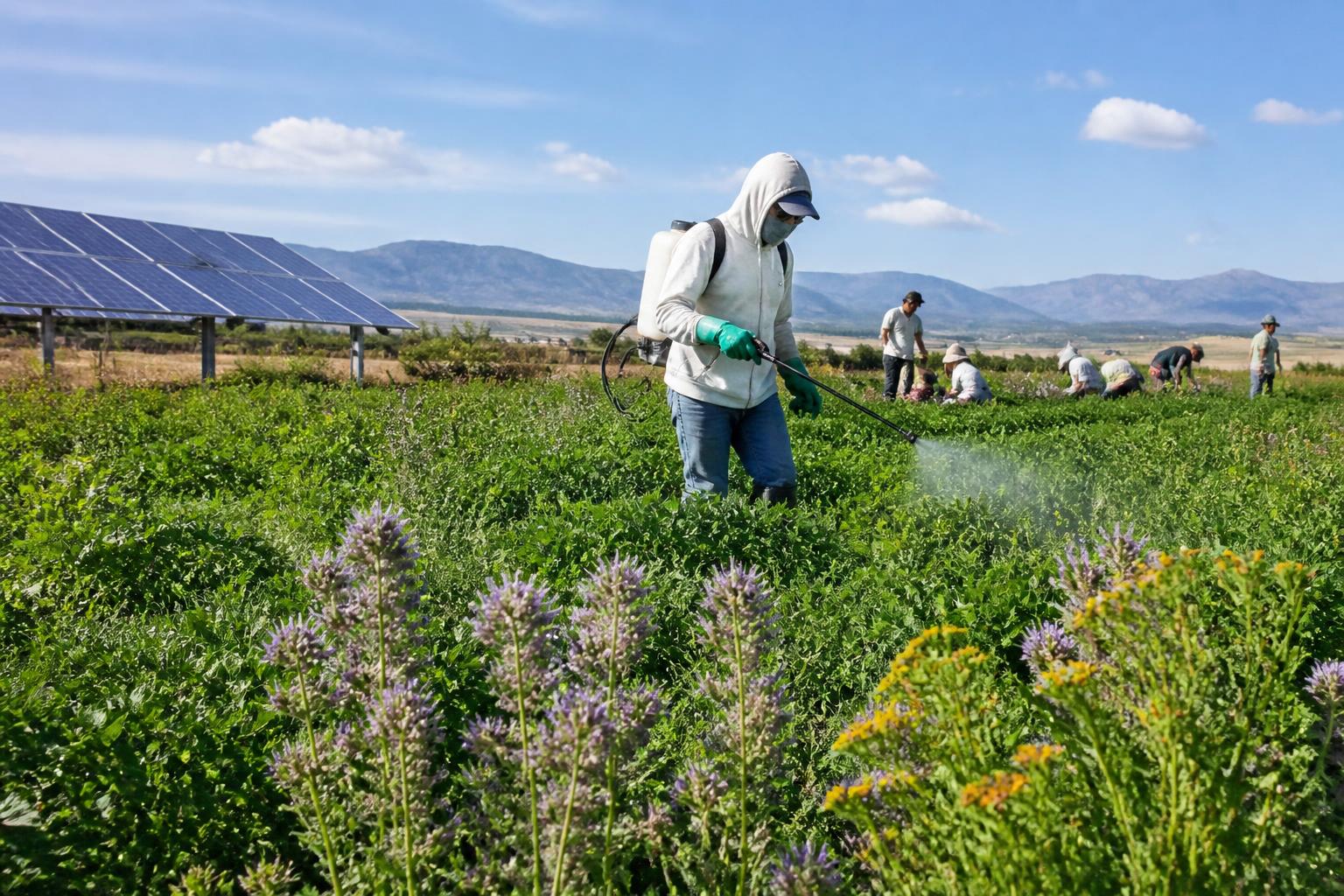
As summer heat settles over Colorado, the state's agricultural community is closely watching critical developments in crop protection. From the intensive farming zones of Weld County to the vast dryland fields of the Eastern Plains and orchards on the Western Slope, growers are navigating a complex mix of local legislative proposals and federal antitrust actions that could reshape how they protect their crops this season.
These regulatory pressures come at a time when producers are already adjusting to broader economic and environmental shifts. Understanding these changes is essential for local agribusinesses, as detailed in our guide on exploring Colorado’s agricultural trends in a dynamic market.
The Colorado Neonicotinoid Legislative Battle
A major point of discussion among Colorado grain handlers and growers is the state-level legislative push targeting neonicotinoid pesticides. State Democrats have targeted these chemicals due to rising concerns over pollinator and bee health. However, the proposed restrictions have sparked intense debate between environmental advocates and the agricultural sector.
For many Colorado farmers, neonicotinoid-treated seeds are a critical line of defense against early-season pests. Proponents of the restrictions argue that limiting these chemicals is vital for protecting local ecosystems. Conversely, growers caution that a sudden loss of these tools could lead to reduced crop yields, increased reliance on older, broader-spectrum foliar applications, and higher production costs during an already challenging season.
National Antitrust Actions and Crop Input Supply
Beyond state lines, federal oversight continues to create ripples across the High Plains. The Federal Trade Commission (FTC) is proceeding with its antitrust lawsuit against major crop protection manufacturers Syngenta and Corteva. The litigation focuses on allegations of anti-competitive practices that may limit the availability of cheaper generic alternatives.
For Colorado chemical retailers and input buyers, the outcome of this lawsuit could have long-term impacts on wholesale pricing and product distribution. With input costs remaining a top concern for farm margins, any regulatory action that increases market competition or alters distribution networks could eventually offer some relief to tight operating budgets.
Key Takeaways for Colorado Growers
- State-Level Restrictions: Proposed limits on neonicotinoids could require Colorado producers to seek alternative pest control strategies for future planting seasons.
- Federal Litigation: The ongoing FTC lawsuit against major manufacturers may influence the long-term cost and retail availability of popular crop protection brands.
- Alternative Solutions: Innovation in agtech and biologicals is gaining attention as growers seek to diversify their risk in a highly regulated environment.
What it means for the market
Colorado growers and agricultural retailers must prepare for a more restrictive regulatory environment. As chemical options face scrutiny at both the state and federal levels, staying informed on legislative developments is critical. Producers should work closely with local agronomists to evaluate alternative pest management systems and secure necessary inputs early to mitigate potential supply chain disruptions as the summer season progresses.
Comments
No comments yet — be the first to share your take.