
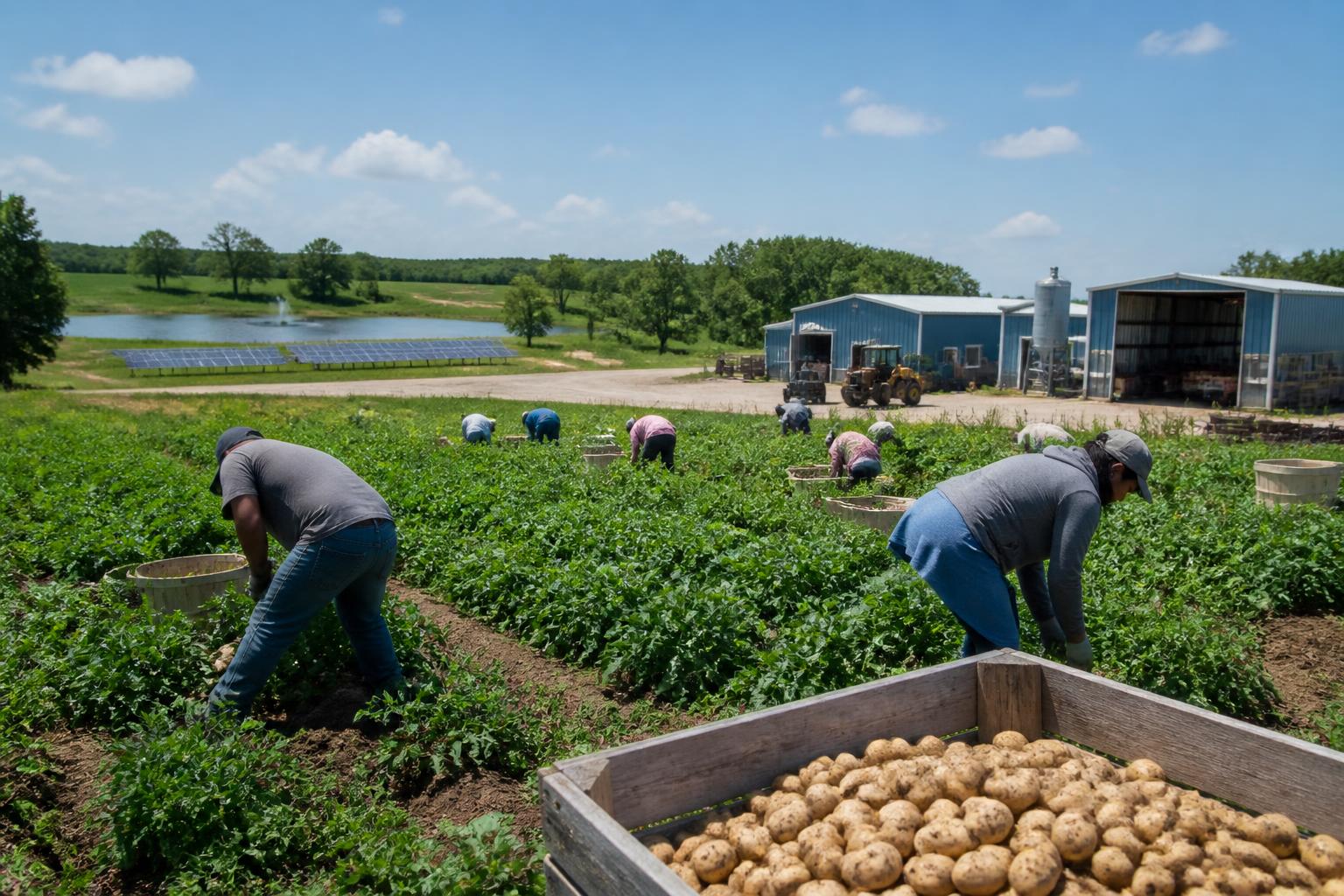
As the summer heat intensifies across Maryland, growers are facing critical crop protection challenges that require active management. From the grain fields of the Eastern Shore to the rolling acreage of the Piedmont region, protecting emerging crops from regional wildlife and maintaining soil health are top priorities this season. Farm managers are increasingly relying on state-supported programs to mitigate crop damage and secure their bottom lines.
With corn, soybeans, and summer vegetables vulnerable to heavy pressure, agricultural operations must coordinate their protection strategies. Utilizing specialized permits to address wildlife damage and exploring financial incentives for soil conservation are key steps to maintaining productive fields as the season progresses, especially as some operators look for ways of managing summer pressures and adopting agritech to offset rising operational costs.
Wildlife Mitigation: Utilizing Deer Hunting Permits on Farm Fields
One of the most persistent threats to Maryland fields during the summer months is the local white-tailed deer population. For decades, crop-eating deer have caused substantial yield losses by browsing on tender young soybean plants and early stage corn. To combat this ongoing challenge, state permits are available to allow targeted hunting on agricultural lands, providing a practical mechanism for farmers to control deer populations directly in their fields.
These specialized permits allow landowners and designated hunters to harvest deer outside of standard recreational seasons. This targeted wildlife management helps reduce localized herd sizes, minimizing the heavy browse damage that can severely stunt crop development. For Maryland grain operations, utilizing these permits is an essential component of an integrated crop protection program, working alongside physical fencing and chemical deterrents to safeguard summer acreage.
Protecting the Soil: Enrollment and Incentives for Cover Crops
Crop protection in Maryland extends beyond protecting plants from pests and wildlife; it also involves protecting the soil itself. State and federal conservation programs are offering financial incentives to encourage farmers to plant cover crops. Getting paid to plant cover crops allows producers to offset seed and planting costs while building long-term soil resilience.
Establishing cover crops directly after the summer harvest protects vulnerable topsoil from wind and rain erosion. These crops also scavenge leftover nutrients, preventing runoff into the sensitive Chesapeake Bay watershed. For farmers transitioning fields after the local summer wheat harvest, enrolling in these incentive programs provides both immediate financial support and structural soil benefits for the upcoming seasons.
Key Takeaways for Maryland Agribusinesses
- Targeted Wildlife Control: Utilize state-issued deer management permits to mitigate summer crop damage caused by overabundant deer herds.
- Financial Soil Support: Leverage available conservation incentives to offset the costs of planting fall and winter cover crops.
- Long-Term Yield Security: Combining active wildlife mitigation with robust soil conservation protects current yields while building healthier soil profiles for future rotations.
What it means for the market
For the Maryland agricultural market, proactive crop protection is essential to securing local supply chains. Minimizing deer damage helps protect regional soybean and corn yields, ensuring grain elevators and poultry feed mills on the Eastern Shore have access to steady local supplies. At the same time, strong participation in cover crop incentive programs stabilizes farm revenues and ensures compliance with regional environmental standards, reinforcing Maryland's position as a leader in sustainable, high-yield grain production.
Comments
No comments yet - be the first to share your take.