
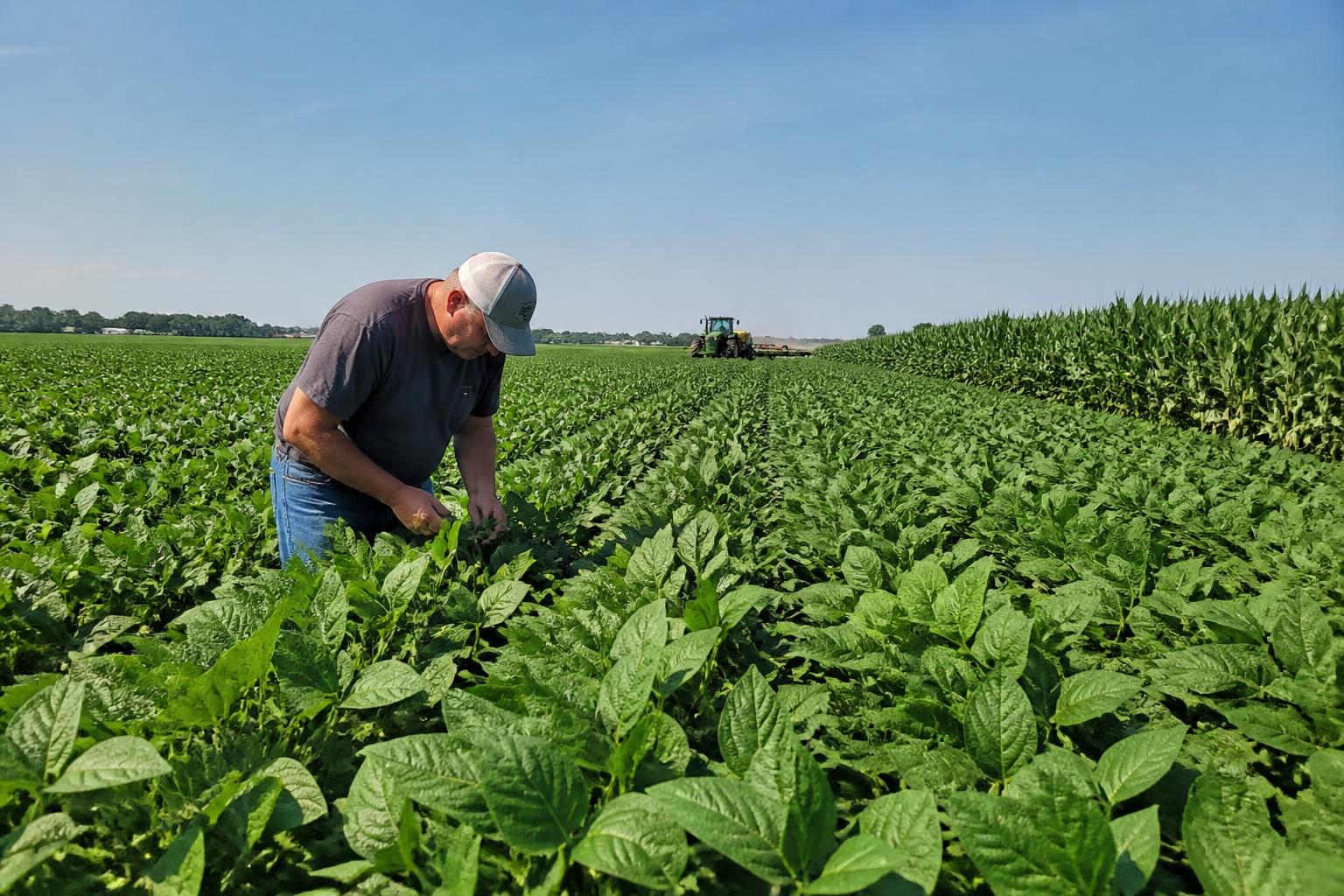
Summer in Maine brings critical management decisions for growers balancing intense seasonal pest pressures with strict environmental stewardship. As local producers navigate the unique demands of the growing season, protecting high-value crops like potatoes while maintaining clean local waterways has emerged as a dual priority for agricultural operations across the state.
Post-Harvest Protection and Shelf-Life Innovations
Potato cultivation remains a cornerstone of Maine's agricultural identity, particularly in northern hubs like Aroostook County. For organic producers, crop protection does not end at the harvest line. Recent research initiatives have focused on improving organic potatoes' shelf life to prevent premature spoilage and extend marketing windows well after harvest. Extending the shelf life of organic varieties allows Maine growers to access premium markets later in the year, maximizing profitability without relying on traditional chemical sprout inhibitors.
Addressing Fertilizer Safety and Waterway Protection
As summer field applications peak, environmental protection is top of mind for regional agribusinesses. Agricultural experts continue to warn that certain chemicals found in standard fertilizers could threaten valuable farmland and adjacent waterways. For Maine, where coastal ecosystems and inland river basins are tightly integrated with agricultural landscapes, minimizing nutrient runoff is vital.
With input volatility and environmental scrutiny rising, many growers are actively seeking ways of balancing high input costs and biological innovation to shield their operations from chemical risks and regulatory shifts. Adopting precision application tools and third-party data analysis helps farmers apply inputs more efficiently, protecting local resources from potential chemical contamination.
Infrastructure Boost for Maine Supply Chains
Effective crop protection and post-harvest management are only as robust as the logistics networks that carry Maine products to market. To address structural bottlenecks, Representative Chellie Pingree announced 1 million dollars in federal funding to strengthen local and regional food supply chain infrastructure across Maine. This investment is designed to improve storage, handling, and processing facilities, allowing local farmers to better preserve crop quality, prevent post-harvest losses, and streamline distribution throughout New England.
Key Takeaways for Maine Producers:
- Organic Focus: Leverage emerging shelf-life preservation research to enhance post-harvest marketing strategies for organic potatoes.
- Environmental Stewardship: Monitor fertilizer chemical inputs closely to prevent runoff and protect valuable local watersheds.
- Supply Chain Opportunities: Keep an eye on regional storage upgrades funded by the new infrastructure grants to improve crop holding capacity.
What it means for the market
For Maine's agricultural marketplace, the combination of targeted supply chain funding and advanced organic preservation research offers a clearer path to profitability. By adopting modern biological solutions and utilizing updated local storage infrastructure, Maine farmers can better protect their yields from field to market, ensuring high-quality potato and specialty crop supplies remain competitive throughout the northeast corridor.
Comments
No comments yet — be the first to share your take.