
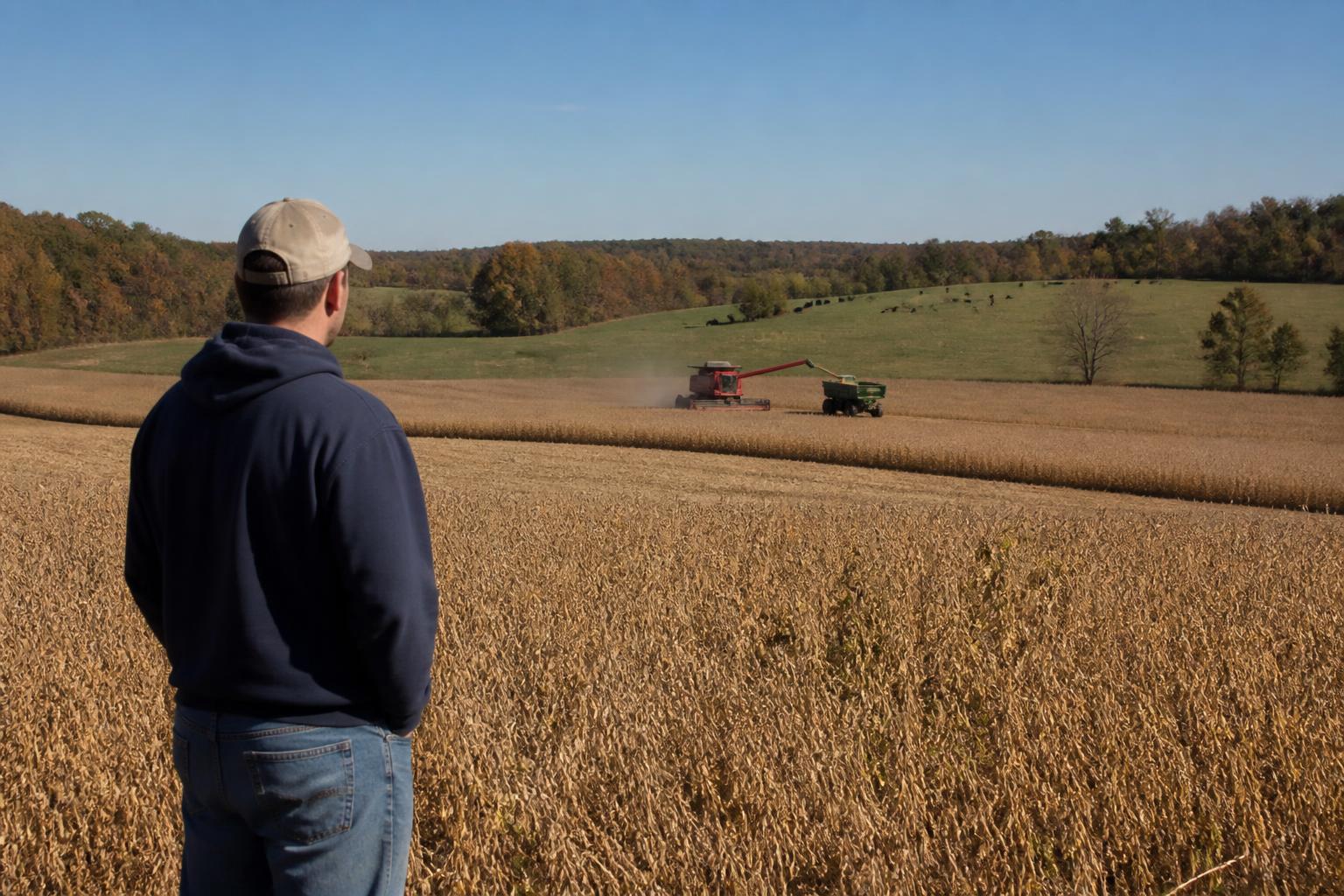
As Missouri agriculture shifts focus into the peak of the fall harvest, producers are balancing the final pressures of the growing season against the logistical demands of collection and storage. Managing crop integrity during this period often requires diligent oversight of field conditions, especially as regional humidity and temperature fluctuations can influence grain quality and storage stability. For insights into managing these assets during uncertain cycles, read more on Missouri grain storage strategies.
Stewardship and Input Management
The conversation around crop protection continues to evolve as the industry faces increased scrutiny regarding input efficacy and environmental impact. For Missouri growers, this involves a transition from active field application to evaluating performance metrics from the season. Whether addressing weed management or evaluating the long-term impact of drift-sensitive products, ongoing education is vital. Recent developments in modernizing Missouri crop protection highlight how precision tools are becoming essential for targeted applications, potentially reducing waste and improving outcomes.
Adapting to Seasonal Challenges
Missouri farmers are accustomed to navigating unpredictable weather patterns, from early-season planting delays to mid-summer heat stress that tested the limits of corn and soybean resilience. As fields clear, the emphasis naturally shifts to data collection and soil health. Understanding the nuance of these regional pressures is a key component of evaluating Missouri harvest outlooks effectively. Establishing a clear record of input performance this fall will be foundational for the upcoming planting cycle, helping to refine protection strategies against future pest and weed pressures.
What it means for the market
For agribusinesses and producers alike, the current environment signals a pivot toward efficiency and risk mitigation. While supply chain discussions continue to dominate national headlines, local resilience is built on the floor of the farm-through careful inventory management and the proactive adoption of precision technologies. By prioritizing data-driven protection decisions and robust storage practices, Missouri operators can better position themselves to withstand broader economic volatility in the months ahead.
Comments
No comments yet - be the first to share your take.