
As the mid-summer heat settles over Louisiana, agricultural producers and input suppliers are actively confronting a diverse array of biological threats. Managing weed resistance, monitoring early plant disease onset, and mitigating invasive pest pressures have become critical daily tasks for operations stretching from the northern parishes down to the southern delta regions. Keeping crops protected this season demands a highly coordinated approach combining chemical stewardship, precision technology, and cultural practices.
For Louisiana farmers, safeguarding yield potential in major commodities like sugarcane, cotton, and rice means staying ahead of rapidly evolving field pressures. With seasonal weather driving intense growth, timely applications and keen observation are essential to preventing economic damage before harvest.
The Battle Against Resistant Weeds
Weed control remains one of the costliest challenges for Louisiana growers, particularly as key species develop tolerance to common herbicides. Farms across the state are on high alert for glyphosate-resistant johnsongrass, a persistent threat that can rapidly overtake row crops if left unchecked. Similarly, glyphosate-resistant Palmer amaranth continues to expand its footprint, requiring diversified chemistry and precise timing to manage effectively.
To keep fields clean, many producers are adapting weed control strategies in the post-dicamba era. Relying on a single herbicide mode of action is no longer viable, leading to an increased focus on pre-emergence residuals and overlapping chemistries to suppress resistant populations before they can establish deep root systems.
Early Disease and Invasive Pest Pressures
Warm, humid summer conditions create an ideal breeding ground for plant pathogens and insect pests. Louisiana rice producers, for instance, must monitor fields closely following early detections of blast disease. Early-season blast outbreaks can severely impact grain quality and overall yield if fungicides are not applied during the critical protective windows.
Beyond traditional crop diseases, Louisiana's broader agricultural landscape faces diverse biological challenges. State land managers and growers continue to track the movement of the invasive emerald ash borer in north Louisiana, while urban and commercial agricultural zones monitor citrus canker detections, such as those historically noted around the New Orleans area. Additionally, southern researchers continue to seek practical, landscape-scale solutions to the persistent destruction caused by feral hogs, which damage fields and irrigation infrastructure alike. Successfully managing invasive pests and biological pressures in summer 2026 requires constant field scouting and collaboration with local extension services.
Adopting Precision Tools and Cultural Solutions
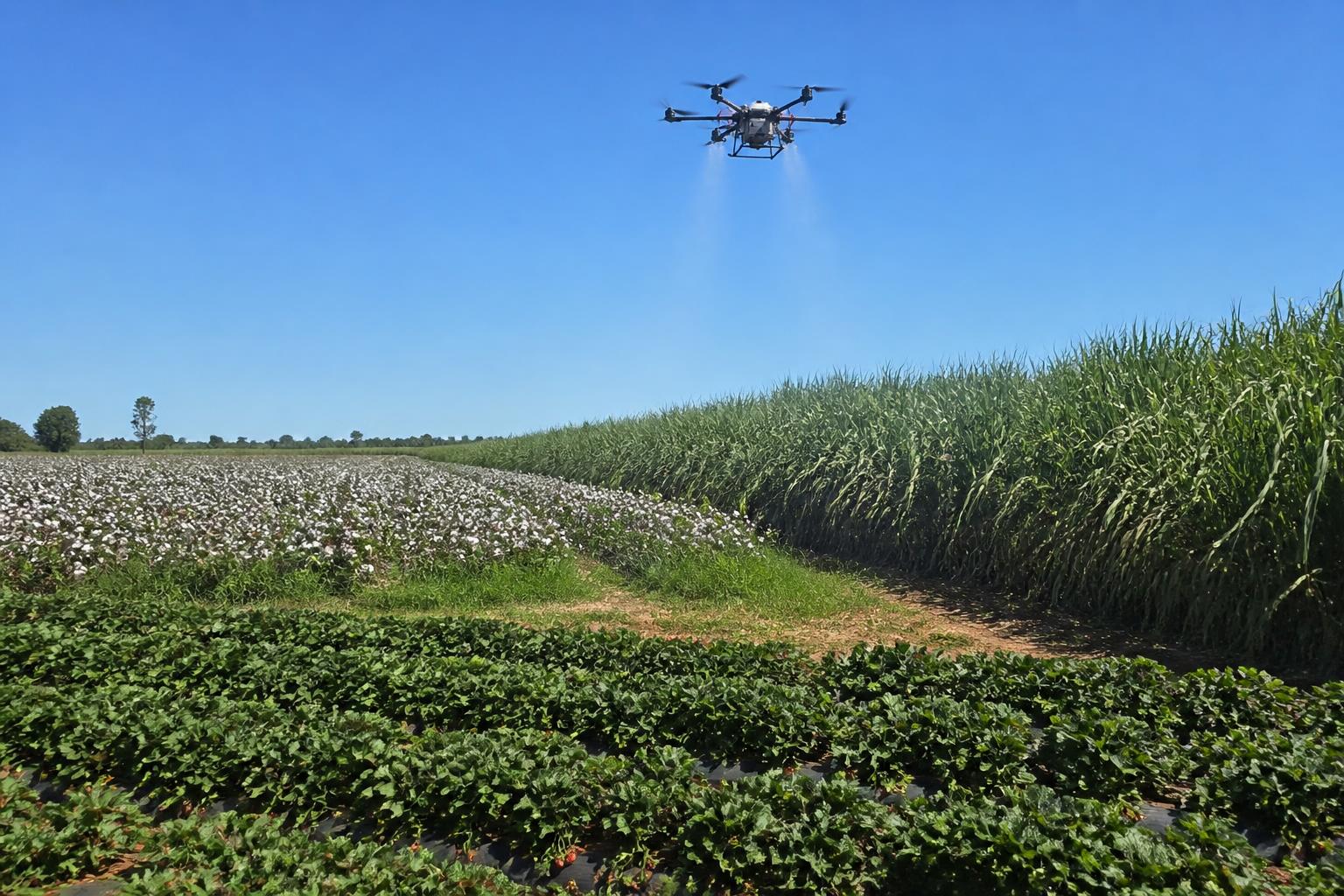
To overcome these challenges, Louisiana agribusinesses are increasingly turning to advanced application technologies. Spray drones are proving highly effective for making targeted chemical applications in difficult-to-reach areas, such as wet fields, tight corners, or irregular terrain where heavy ground rigs cannot easily operate. This precision helps reduce chemical waste and ensures protective barriers are applied exactly where they are needed most.
In addition to technological tools, cultural practices are gaining traction as long-term defense mechanisms. Some local growers are finding radish cover crops promising for improving soil structure, enhancing nutrient retention, and suppressing early-season weed growth before cash crops are planted. Integrating these cover crops into a broader crop protection rotation helps break pest and weed life cycles naturally.
What it means for the market
For Louisiana ag retailers and distributors, the persistent threat of resistant weeds and early disease outbreaks will maintain strong seasonal demand for diverse chemical inputs, including alternative post-emergence herbicides and specialty fungicides. Growers should expect to allocate a significant portion of their summer operating budgets to intensive field scouting and targeted applications. Investing in precision services, such as commercial spray drone operators, and planning multi-action herbicide programs will be vital to securing crop quality and protecting profit margins heading into the fall harvest season.
Comments
No comments yet — be the first to share your take.