
As mid-summer heat settles over Louisiana, agricultural producers are facing a dual transition. While some veteran growers are stepping back from active field operations to enjoy retirement, those continuing to work the state's fertile soils are confronting a significant shift in crop protection. The winding down of the dicamba era is forcing a rapid evolution in how Southern farmers manage tough broadleaf weeds in cotton and soybeans.
With high humidity and frequent summer rains driving rapid weed growth across the Mississippi Delta and coastal parishes, waiting to treat weed escapes is no longer an option. Louisiana growers must now pivot to alternative herbicide programs, layered residuals, and integrated cultural practices to protect their yield potential.
Adjusting to a New Herbicide Era
For years, dicamba-tolerant cropping systems were a cornerstone of weed control across Louisiana's parishes. With regulatory shifts changing the availability of these tools, agricultural producers are adjusting their chemical portfolios. Agronomists in the state are urging a return to diversified chemistry programs that do not rely solely on post-emergence applications.
To keep pigweed, waterhemp, and annual grasses at bay, applying robust pre-emergence residuals is more critical than ever. Louisiana's long growing season and warm soils can quickly break down early-season barriers, making mid-summer residual overlays essential to keep fields clean through canopy closure.
Alternative Strategies and Rotational Care
In many local farming communities, the focus has shifted toward the Enlist system (2,4-D choline) and glufosinate-based programs. Because contact herbicides like glufosinate require thorough coverage, operators must adjust sprayer settings, including nozzle selection, pressure, and water volume, to achieve effective control. Proper cleanout procedures are also paramount to avoid crop injury when shifting sprayers between different technology traits.
Additionally, weed management does not stop with row crops. Managing fallow fields and winter crop stubble is vital to prevent weed seed banks from exploding. For growers balancing diverse rotations, reviewing Louisiana's wheat market challenges and opportunities highlights how proactive stubble management and timely post-harvest burndowns can keep fields clean for the subsequent planting cycle.
A Changing of the Guard in Louisiana Agriculture
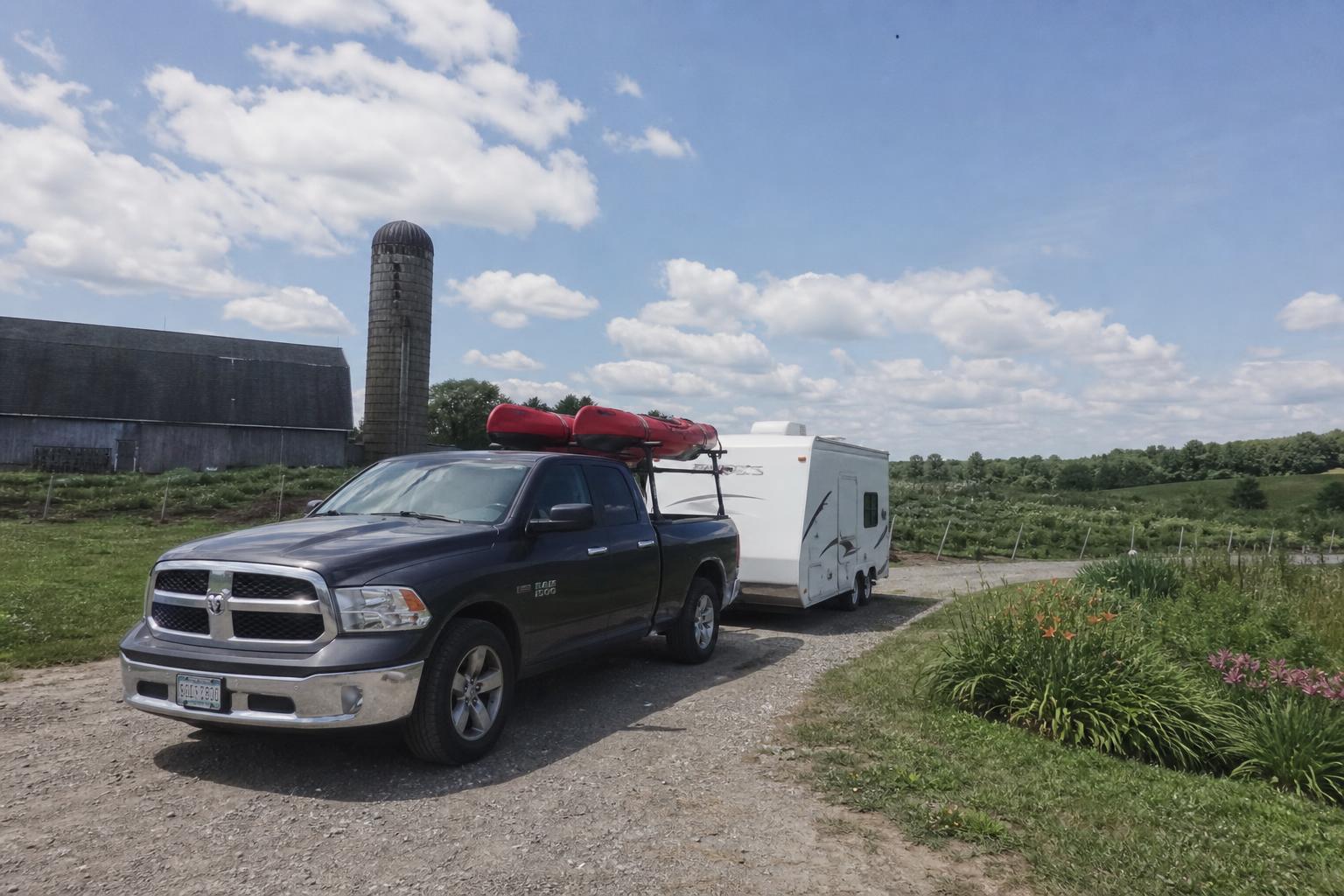
These agronomic and logistical shifts come at a time when the rural landscape itself is transitioning. Long-time local producers, such as Jefferson Davis Parish farmer Jimmy Hoppe, are transitioning their operations to the next generation, trading heavy field equipment for leisure travel.
As seasoned growers retire, the next generation of Louisiana farm managers is taking the reins. This new cohort of operators must navigate complex regulatory changes, rising input costs, and shifting chemical options with fresh management strategies and flexible operational budgets.
Key Takeaways for Summer Weed Management
- Layer Residuals Early: Avoid relying solely on post-emergence herbicides by incorporating multiple modes of action in pre-emergence and early post-emergence passes.
- Optimize Sprayer Setup: Increase water volumes and select appropriate nozzles to ensure thorough coverage when applying contact herbicides.
- Keep Fallow Acres Clean: Manage stubble and non-cropped areas to prevent weeds from going to seed and infesting future crops.
What it means for the market
The transition away from traditional dicamba formulations is reshaping the agricultural retail landscape. Demand for glufosinate, 2,4-D choline, and alternative pre-emergence residuals is expected to remain high, which may put localized pressure on supply chains and retail pricing. Louisiana agricultural cooperatives and input buyers should secure their crop protection needs early to avoid seasonal bottlenecks. For land managers, maintaining clean, weed-free acreage remains one of the most effective ways to preserve land value and secure maximum marketing flexibility for their summer harvest.
Comments
No comments yet - be the first to share your take.