
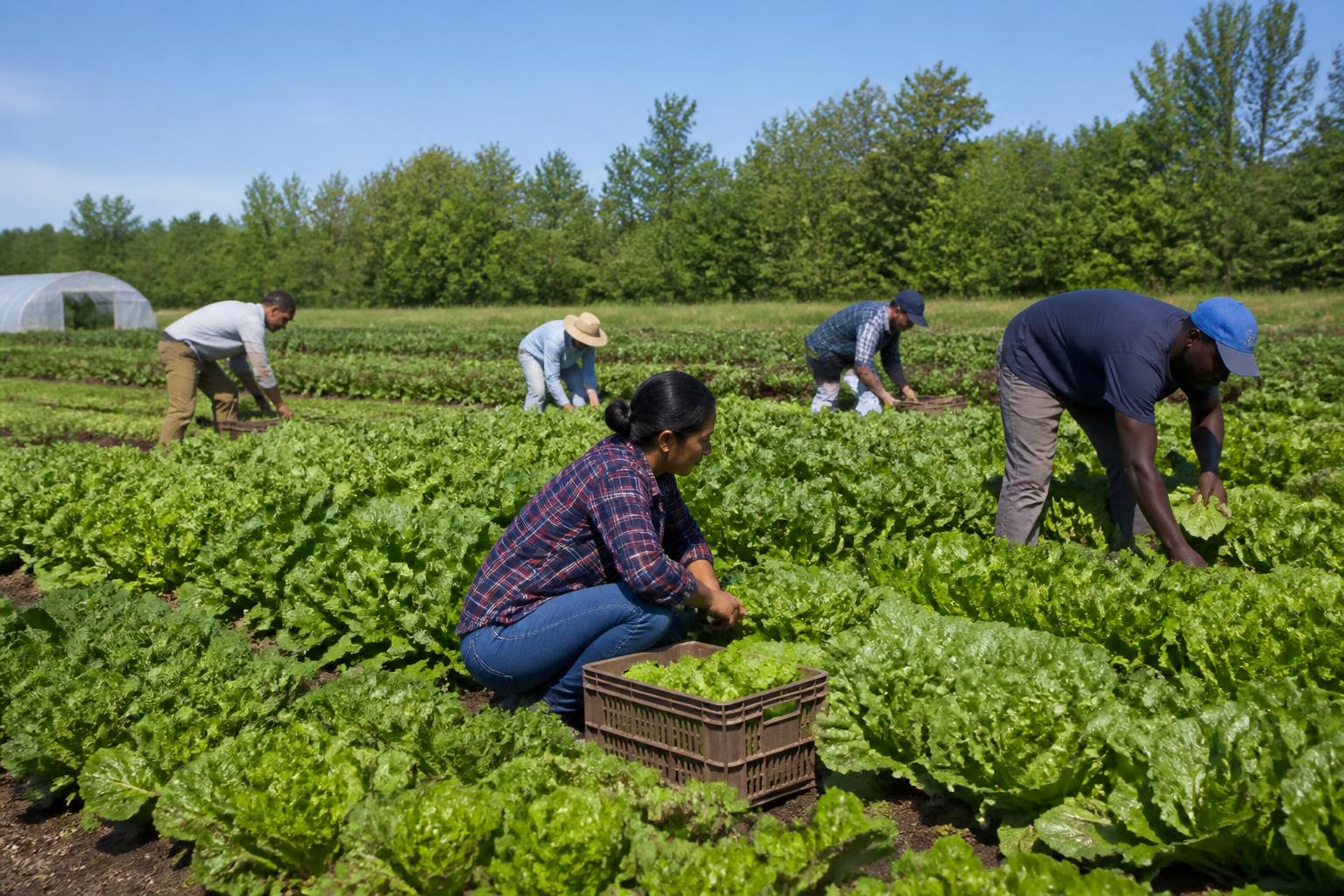
As summer heat takes hold across New Hampshire, agricultural producers from the Merrimack Valley to the Seacoast are entering a critical phase of crop protection. Maintaining weed-free fields is essential for yield optimization, yet a growing body of research suggests that intensive chemical weed control may come at a hidden cost to the soil microbiome.
For the state's diverse agricultural sector, which relies heavily on direct-to-consumer farm stands and local food networks, safeguarding soil productivity is becoming just as crucial as controlling immediate pest pressures. Managing these competing priorities requires a more nuanced approach to summer field applications.
The Cost of the Weed War on Soil Biology
Recent agricultural studies highlight a growing concern for growers: intensive herbicide applications designed to eliminate weeds can inadvertently suppress beneficial soil bacteria. These microscopic communities are the engine of soil productivity, helping to cycle nutrients, build organic matter, and improve water-holding capacity. When chemical inputs disrupt this delicate biological balance, crops can become more susceptible to secondary stressors.
In New Hampshire's typical sandy loam soils, maintaining a healthy biological profile is key to sustaining long-term fertility. Crop advisors are recommending that farmers incorporate targeted, low-impact herbicide applications, spot treatments, or mechanical cultivation where feasible, helping to protect beneficial soil microbes from chemical overload during the peak growing season.
Adapting to Climate Shifts and Fruit Vulnerabilities
Weather volatility continues to challenge Northeast growers, particularly those managing high-value perennial crops like apples and small fruits. Erratic spring temperatures followed by intense summer heat waves have forced many fruit growers to rethink their long-term orchard management. Warmer seasonal baselines are altering the timing of pest arrivals and fungal spore releases.
To maintain orchard profitability and crop health amid shifting summer weather, growers are increasingly turning to integrated summer disease management strategies to protect both yield and soil quality. Monitoring local weather stations and using predictive modeling for diseases like apple scab or powdery mildew allows for precise application timing, reducing the overall chemical footprint on the surrounding environment.
Circular Solutions and Resource Management
In response to volatile input costs and labor constraints, New Hampshire's agricultural community is leaning into circular systems and regional research. Initiatives like the University of New Hampshire's "Farm to Fork to Fertilizer" research demonstrate the potential of recycling nutrients locally, creating closed-loop systems that bolster soil health without relying solely on synthetic additions.
Furthermore, maintaining strict biosecurity remains a priority. State agencies continue to urge farmers and home gardeners to remain vigilant against unverified seed shipments or invasive plant species that can hitchhike into local ecosystems and disrupt native crops. With ongoing agricultural workforce gaps, streamlining crop protection through integrated pest management (IPM) helps operations run efficiently with smaller field crews.
Key Takeaways for New Hampshire Producers
- Protect the Microbiome: Consider the long-term impact of repeated herbicide applications on beneficial soil bacteria to prevent biological degradation.
- Targeted Application: Utilize predictive models and weather tracking to time pesticide and fungicide applications, reducing input waste and environmental runoff.
- Embrace Circular Systems: Explore local organic amendments and cover cropping to naturally suppress weeds and support beneficial soil life.
What it means for the market
The market for crop protection in New Hampshire is shifting toward biologicals and precision application technology. Input buyers and distributors should expect increased demand for target-specific herbicides, biostimulants, and soil health conditioners that support microbial activity. As consumers continue to demand locally grown, sustainably managed produce at regional farm stands, growers who successfully balance immediate weed control with soil conservation will find themselves at a distinct competitive advantage.
Comments
No comments yet — be the first to share your take.