
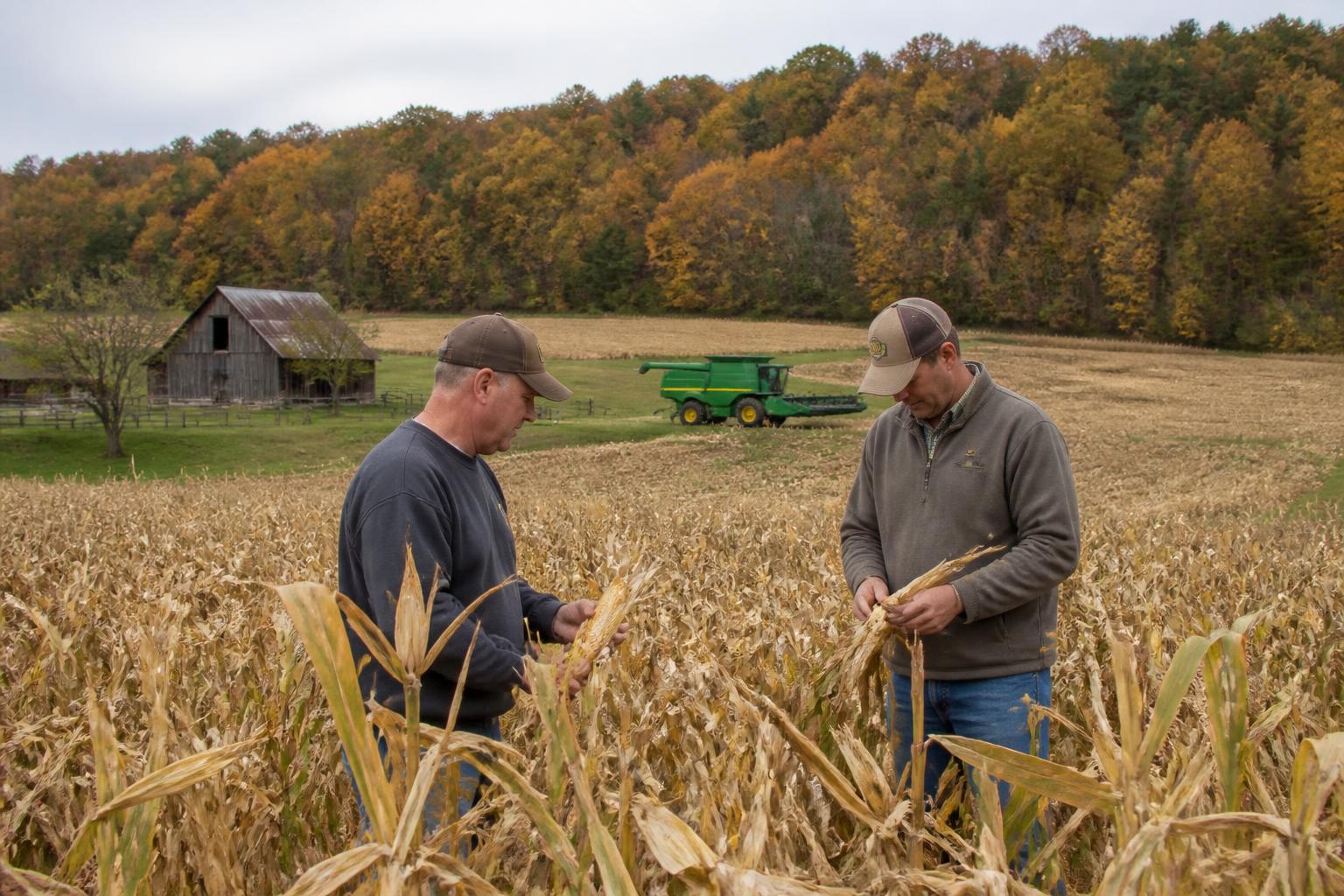
As the fall season progresses in Georgia, agricultural producers are increasingly navigating a complex landscape defined by persistent input cost concerns. Across the state, from the fertile fields of South Georgia to the diverse operations in the northern counties, farmers are closely monitoring the economics of crop protection and fertilization. Reports suggest that concerns regarding market pricing and supply chain reliability remain top of mind for those planning upcoming planting cycles or managing late-season maintenance.
Efficiency has become a central theme for many operations, particularly as supply chains continue to evolve. Strengthening management practices in crop rotation and input procurement is becoming a standard defensive strategy. Producers are balancing these high-level market pressures against the realities of local environmental conditions, which can influence both yield potential and the timing of essential farm activities.
Input Cost and Supply Chain Dynamics
The conversation around agricultural inputs remains tense. While industry leaders are moving to address potential bottlenecks in distribution, many farmers are vocal about the impact of current pricing structures on their bottom lines. Industry moves to reorganize supply chain operations, including leadership shifts at major input firms, are being watched closely by local agribusinesses hoping for increased market stability.
The Road Ahead
With the current legislative focus on the upcoming Farm Bill, there is heightened interest in federal support programs designed to mitigate the risks associated with volatile input costs. Discussions led by state officials during recent agricultural tours highlight a concerted effort to bring the specific challenges faced by Georgia producers to the forefront of national policy debates. Whether through expanded risk management tools or targeted aid, the industry is seeking pathways to sustain viability through these challenging market cycles.
What it means for the market
For Georgia grain handlers, input buyers, and carriers, the current climate necessitates a cautious approach to inventory and logistics. While macro-level supply chain pressures fluctuate, the immediate impact at the farm gate is a sustained emphasis on precision, efficiency, and aggressive cost management. Monitoring regional distribution patterns and potential shifts in federal policy will be critical for businesses looking to navigate the next several months of market volatility.
Comments
No comments yet - be the first to share your take.