
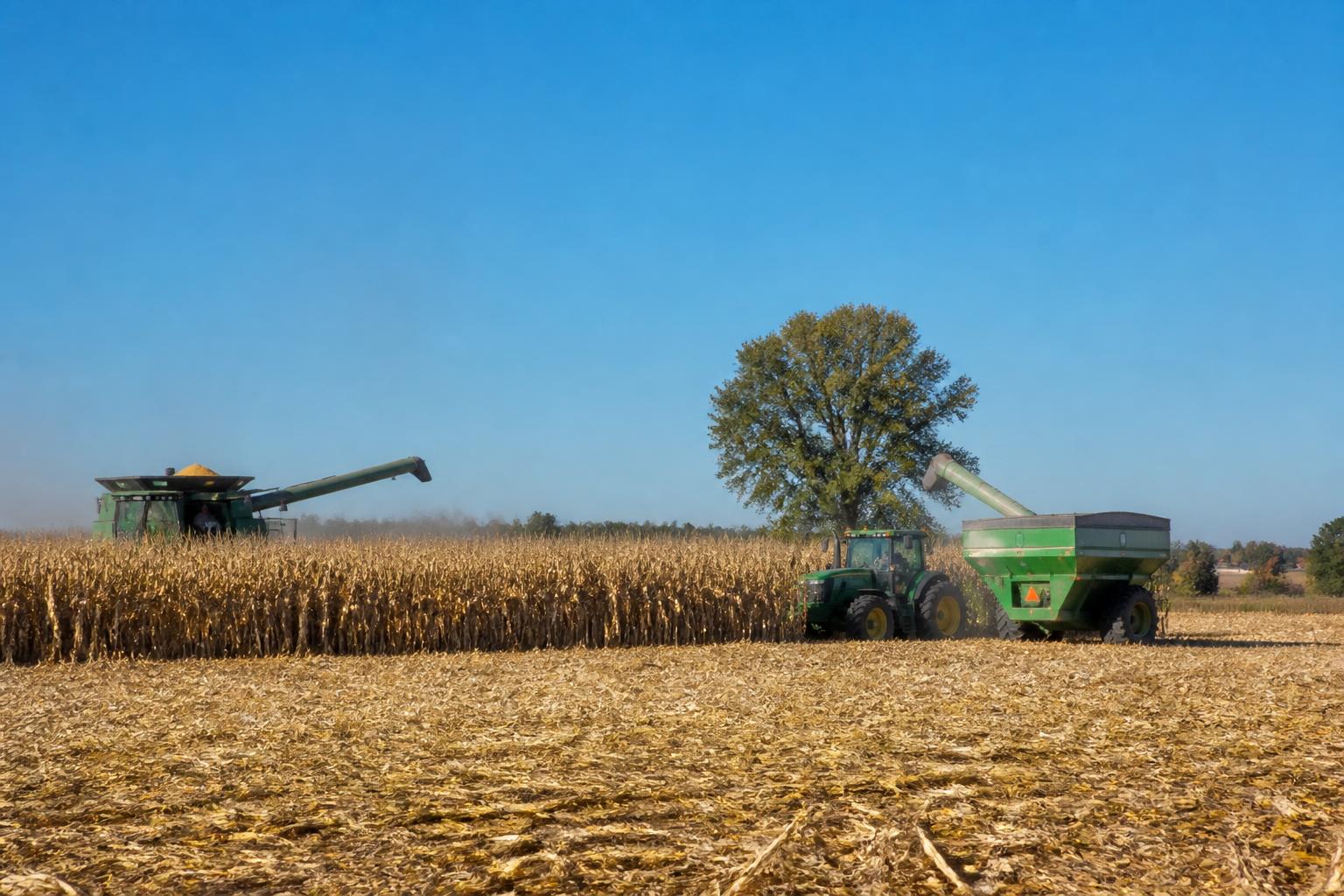
As the fall harvest settles into high gear across Indiana, producers are balancing the standard seasonal urgency of field work with a tightening regulatory environment. Recent legislative changes have introduced new certification requirements for fertilizer and manure application, necessitating closer attention to compliance protocols for operations across the state. These changes are part of a broader trend of increased oversight as the regional agricultural industry matures.
Efficient supply chain management remains a primary focus as grain handlers and farmers coordinate the movement of crops from fields to storage and transport hubs. With the volume of heavy machinery on rural roads significantly increasing, safety remains a critical priority for logistics managers and local transit corridors. Proactive communication between equipment operators and commercial haulers helps to minimize bottlenecks, ensuring that the seasonal flow remains steady despite the inevitable pressures of peak harvest.
Agtech Investment and Diversification
Beyond immediate logistical concerns, Indiana continues to solidify its status as a hub for agricultural innovation. Recent industry moves, including the expansion of automation businesses and the establishment of new agbiotech headquarters, signal a long-term commitment to advancing farm productivity. These investments often provide local growers with earlier access to emerging biodesign and precision technologies designed to optimize inputs and crop resilience.
For producers considering their long-term strategy, the focus remains on balancing traditional commodity production with emerging opportunities in crop diversification. While standard grain operations remain the backbone of the state's agricultural economy, the integration of new technologies can help mitigate risks associated with climate shifts and changing market conditions.
What it means for the market
For Indiana agribusinesses and carriers, this season emphasizes the value of operational flexibility. Whether adapting to new infrastructure and fleet efficiency demands or navigating shifting regulatory landscapes, success hinges on strict adherence to updated compliance standards and enhanced, real-time coordination of harvest logistics to maintain profitability throughout the busy fall window.
Comments
No comments yet - be the first to share your take.