
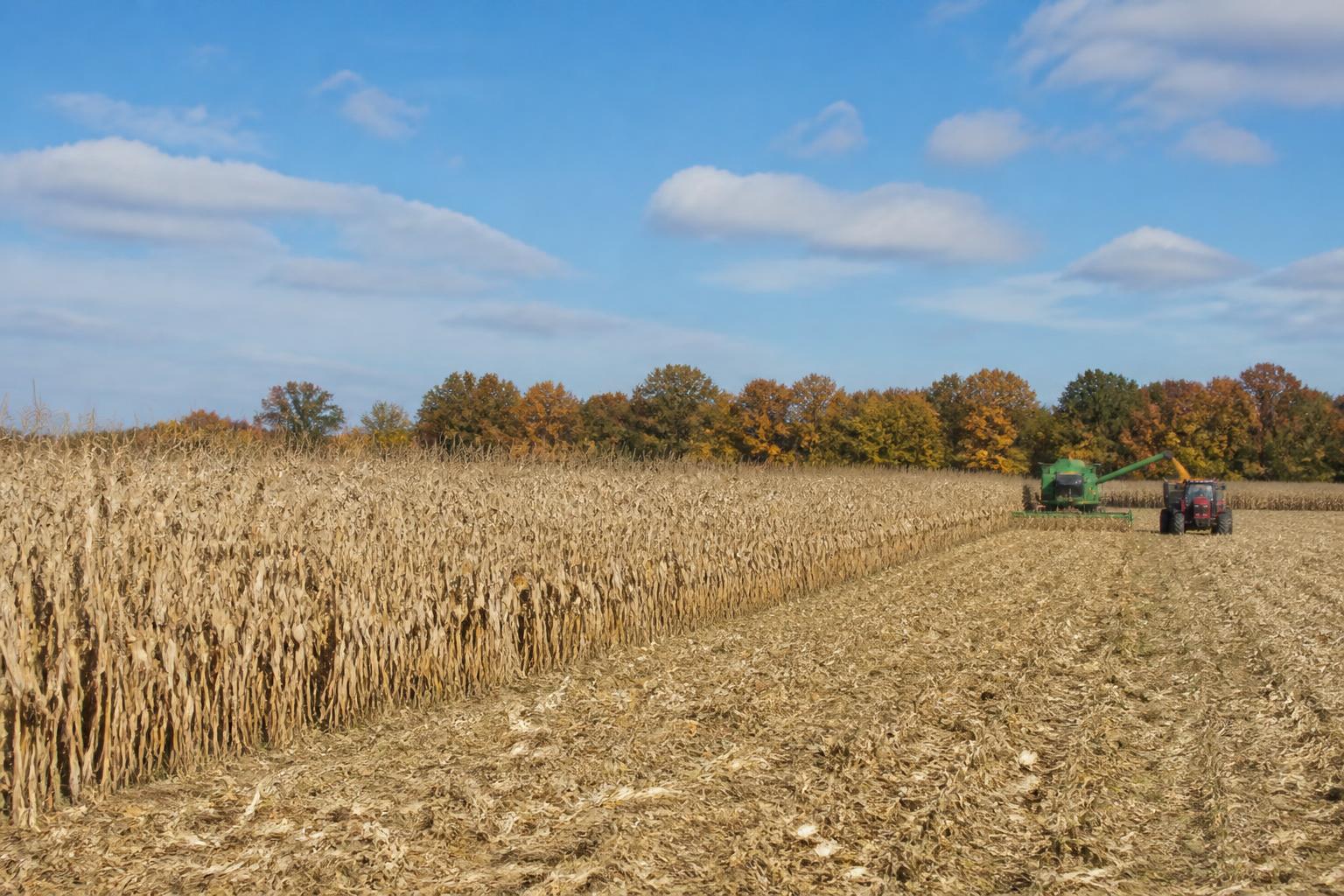
The harvest season is in full swing across Indiana, bringing a surge of agricultural equipment to local roads and highways. For producers and grain handlers, this period is defined by a focus on efficiency, balancing the urgency of the field with the necessity of safe, compliant transportation. As machinery moves between fields and elevators, local officials continue to emphasize the importance of visibility and shared road safety for all motorists.
Regulatory Flexibility for Fuel Transport
A recent and welcome change for many Hoosier operations involves new state allowances for transporting farm diesel on public highways. This policy shift is intended to provide greater operational flexibility, potentially reducing downtime during critical field windows. For agribusinesses and carriers, this means a more streamlined approach to refueling equipment in remote areas. Staying informed about these logistics and regulatory nuances remains a top priority as the season progresses and demand for localized fuel distribution remains high.
Managing Seasonal Traffic and Safety
With heavy machinery frequenting rural corridors and state routes, the risk of road incidents increases. It is standard practice for farmers to ensure that lighting and signage on tractors, grain carts, and transport trailers are fully functional. The Indiana State Police often reiterate the need for patience and vigilance from the public during this peak period. For logistics managers, coordinating transport routes to avoid major congestion points or peak commuter hours can significantly improve the turnaround times for grain hauling.
Looking Ahead
As harvest activity continues, the integration of efficient transport practices is helping to maintain momentum despite the typical pressures of the season. Whether you are managing your own fleet or contracting transport services, keeping a close watch on equipment maintenance and regulatory compliance is essential for a productive fall.
What it means for the market
For grain handlers and input buyers, these logistical adjustments serve as a reminder that overall market efficiency is heavily dependent on the physical movement of product. Improved flexibility in fuel logistics and continued attention to safe, timely transport are vital for keeping Indiana agriculture competitive as the year closes out.
Comments
No comments yet - be the first to share your take.