
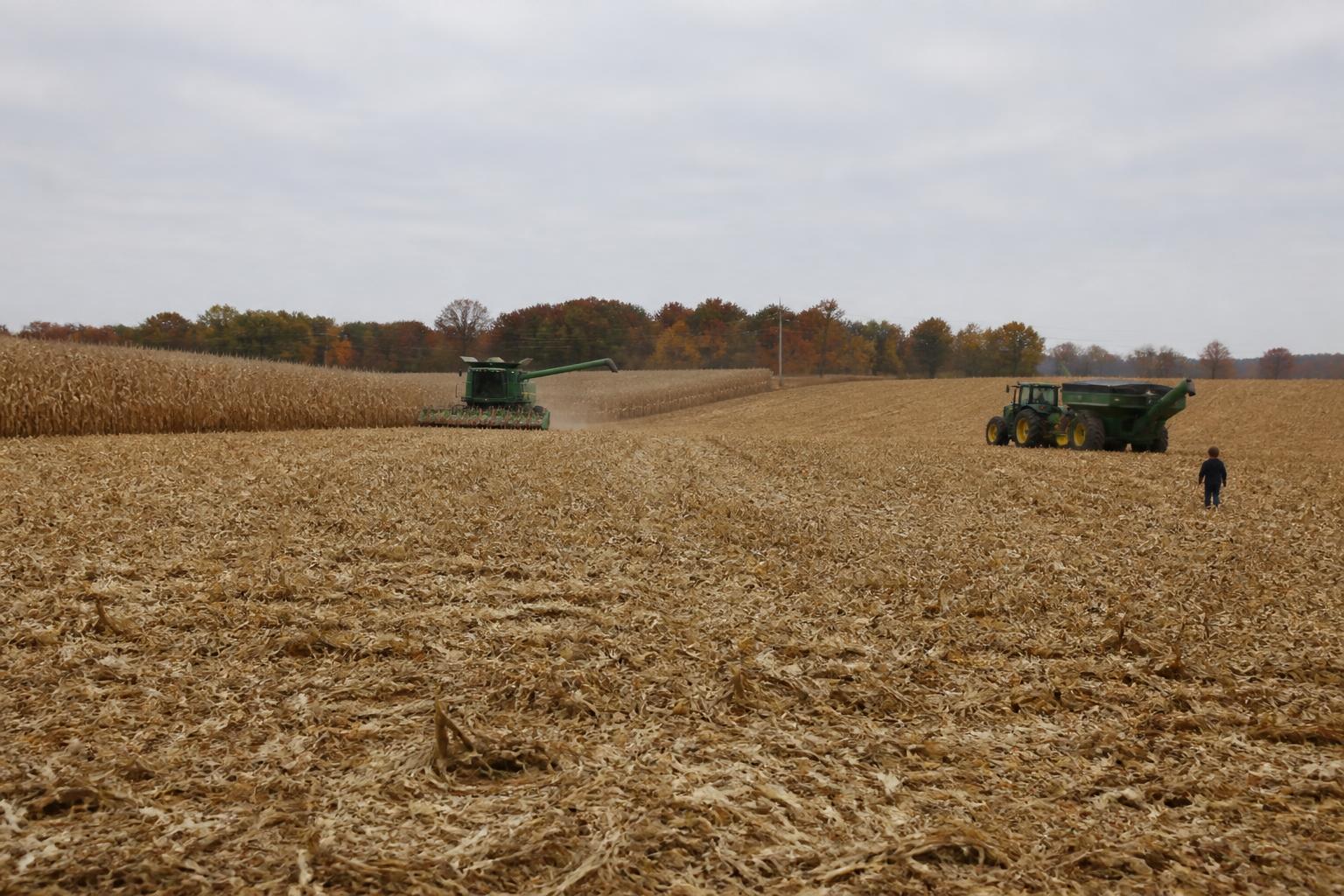
Harvest operations are picking up speed across Indiana this October as field conditions allow for steady progress in both corn and soybean harvesting. For many producers, this period marks a crucial window to move product off the farm and into local elevators, where regional logistics teams are coordinating to manage the seasonal influx of grain.
A significant development for the state's agricultural supply chain is the recent introduction of a fuel waiver allowing the use of off-road diesel on public highways. This policy shift is intended to streamline the transport of agricultural commodities during the peak harvest period. Producers are finding this adjustment helpful, though those hauling across state lines should continue to exercise caution, as the waiver does not necessarily insulate operators from fines issued by neighboring jurisdictions.
Navigating Logistics and Regulatory Hurdles
The current harvest season often brings its own set of logistical challenges, from navigating busy rural roads to managing the transition of grain to terminals. Staying updated on the latest Indiana harvest logistics and fuel waiver protocols remains a priority for operators who need to ensure compliance while maintaining efficient transport cycles. As regional hubs process higher volumes, clear communication between farmers and grain buyers continues to be essential for avoiding bottlenecks at local facilities.
Regional Harvest Context
While some reports indicate a mix of results across different soil types and planting dates, many farmers are currently observing strong yields as they hit the midpoint of their operations. The combination of favorable weather in many parts of the state and the current diesel relief measures has provided a necessary boost to field efficiency. Despite global market pressures, including concerns over international export competitiveness, the immediate focus for Indiana agribusiness remains on the safe and timely collection of the 2026 crop.
What it means for the market: For farmers and carriers, the combination of favorable harvest conditions and supportive, albeit localized, fuel policies presents an opportunity to accelerate grain movement. However, the regulatory landscape regarding road use remains nuanced; producers should prioritize confirming specific transport requirements when crossing state borders to avoid unexpected disruptions to their harvest logistics.
Comments
No comments yet - be the first to share your take.