
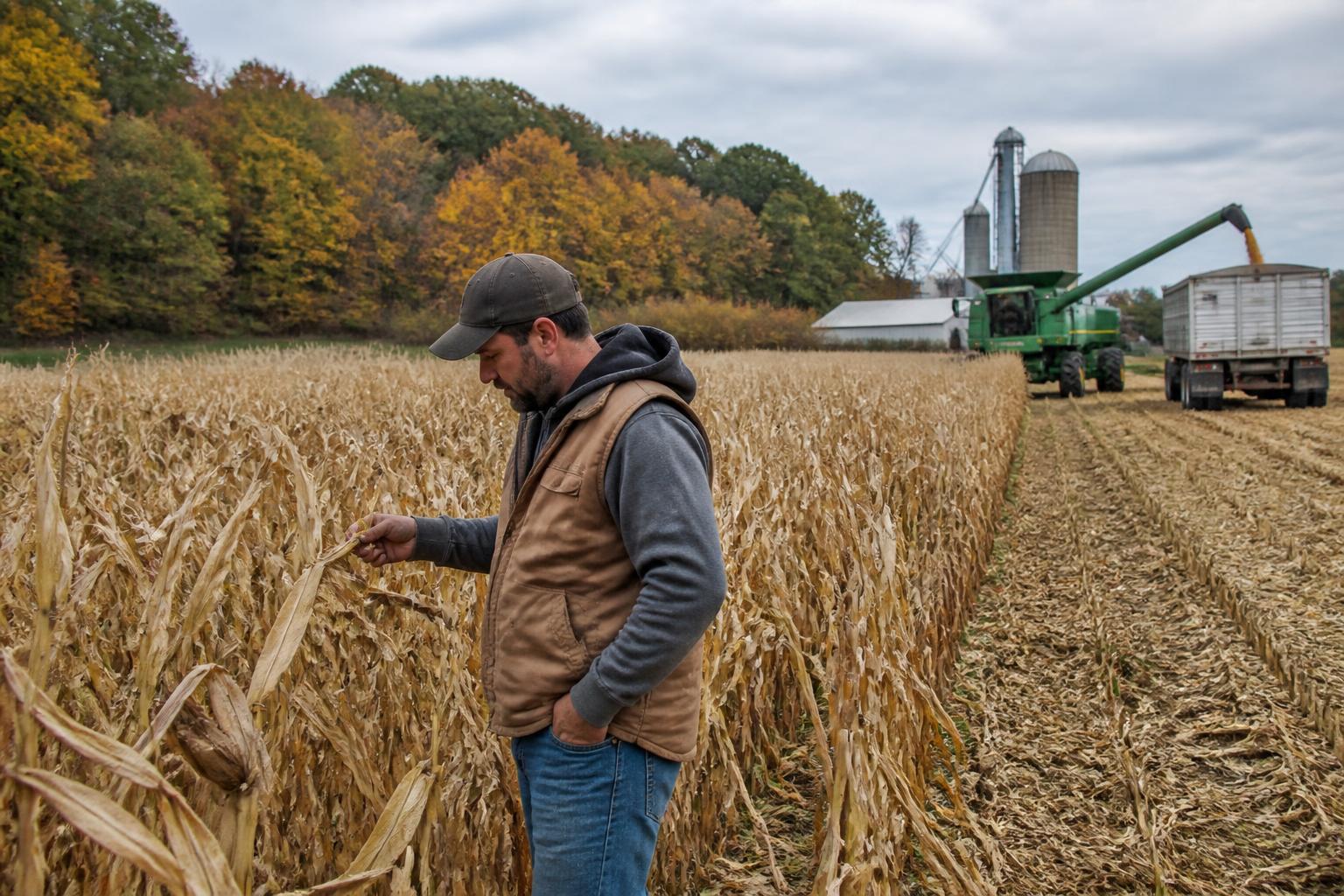
Building a Strong Workforce in Alaska Agriculture
As the fall season brings harvest activities to a close across Alaska's agricultural regions, from the Matanuska Valley to the Kenai Peninsula, labor remains a critical component of operational success. Developing a reliable workforce is essential for producers navigating the unique challenges of the northern climate, where the window for field work is brief and high-intensity.
Agricultural employers are increasingly focused on talent retention and workplace culture to keep skilled hands on farms and in local agribusinesses. As noted in recent industry discussions, organizations that prioritize long-term employee engagement often see greater success in meeting seasonal production goals. This is particularly relevant for those navigating global fertilizer market volatility as Alaska enters fall, as stable staffing ensures that complex nutrient management plans are executed precisely.
Retention Strategies for Northern Growers
For many Alaskan producers, the challenge lies in balancing seasonal labor needs with the necessity of retaining institutional knowledge. Effective management often involves cross-training staff on multiple aspects of the farm, including specialized crop protection. While managing farm risk and protection strategies in Alaska's fall window, having a team that is well-versed in both safety protocols and equipment maintenance can significantly reduce downtime during critical harvest days.
Furthermore, as operations modernize, the role of skilled agricultural labor continues to shift. Integrating new technology into existing workflows requires proactive training, an area where forward-thinking employers are finding success. When growers invest in their staff—much like they would when scaling crop protection for Alaska's evolving harvest landscape—it creates a more resilient operation capable of weathering the uncertainties of the market.
What it means for the market
Labor stability is becoming a key differentiator for Alaskan agricultural businesses. As we move further into the fall, producers who have prioritized labor quality and safety are better positioned to finalize their yields and prepare for the winter dormancy period. For the local market, this translates into more consistent supply chains and a stronger foundation for the upcoming spring planning cycle.
Comments
No comments yet - be the first to share your take.