
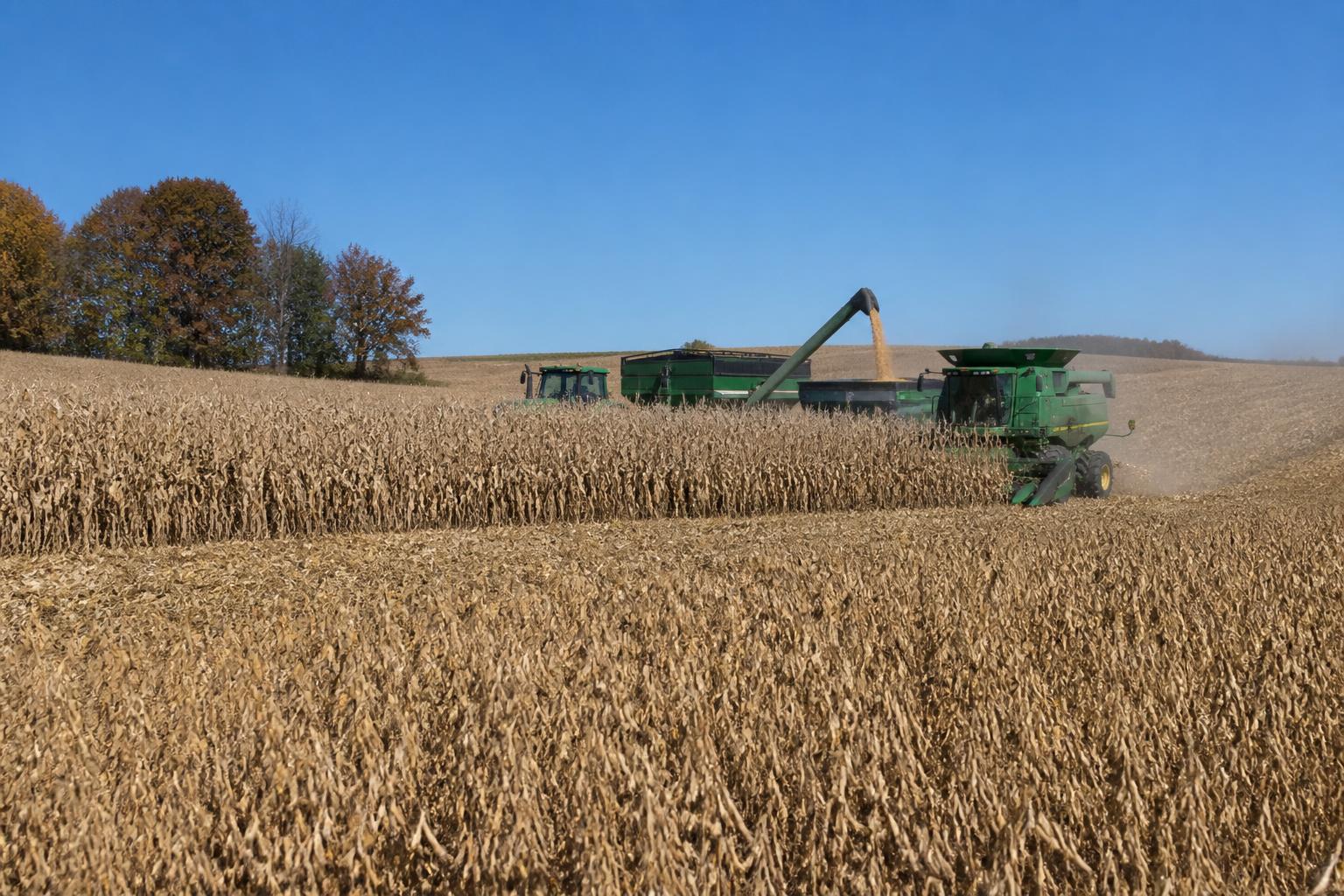
For Alaska's farmers, the shift into the fall season brings a familiar focus on closing out the harvest while concurrently assessing input requirements for the upcoming cycle. However, current global fertilizer markets are displaying signs of increased volatility. Disruptions in international supply corridors and broader geopolitical pressures are raising concerns regarding the consistency and cost of essential crop nutrients.
As supply chains remain sensitive to regional instability, logistics and procurement become critical components of farm management. For producers in regions like the Matanuska-Susitna Valley or those managing operations near the Kenai Peninsula, staying informed about broader nutrient resilience strategies is more important than ever. While Alaska's unique climate often requires specific management practices, the macro-economic environment currently affecting DAP and other key inputs highlights the importance of proactive planning.
Managing Input Costs Amid Uncertainty
The global outlook for fertilizer, particularly for nitrogen and phosphate-based products, is being pressured by rising crude oil prices and ongoing conflicts that threaten shipping routes. These factors typically lead to localized price fluctuations. For agribusinesses and independent growers in Alaska, this means that tracking market indicators is no longer just a national concern but a localized necessity for budgeting and securing supply ahead of next year's early spring window.
Strategic Procurement Considerations
- Early Assessment: Evaluate your nutrient needs early to mitigate the risk of late-season supply gaps.
- Logistics Planning: Account for the unique logistical challenges of moving inputs across Alaska’s expansive geography, factoring in potential seasonal delays.
- Market Monitoring: Keep a close watch on international market reports to anticipate potential price adjustments before making bulk purchases.
What it means for the market: While global disruptions are creating a complex landscape, Alaskan growers who prioritize early procurement and soil health can effectively mitigate some of these external inflationary pressures. By maintaining a lean inventory strategy and focusing on efficient application, producers can better insulate their operations against the unpredictable shifts occurring in the global fertilizer trade.
Comments
No comments yet - be the first to share your take.