
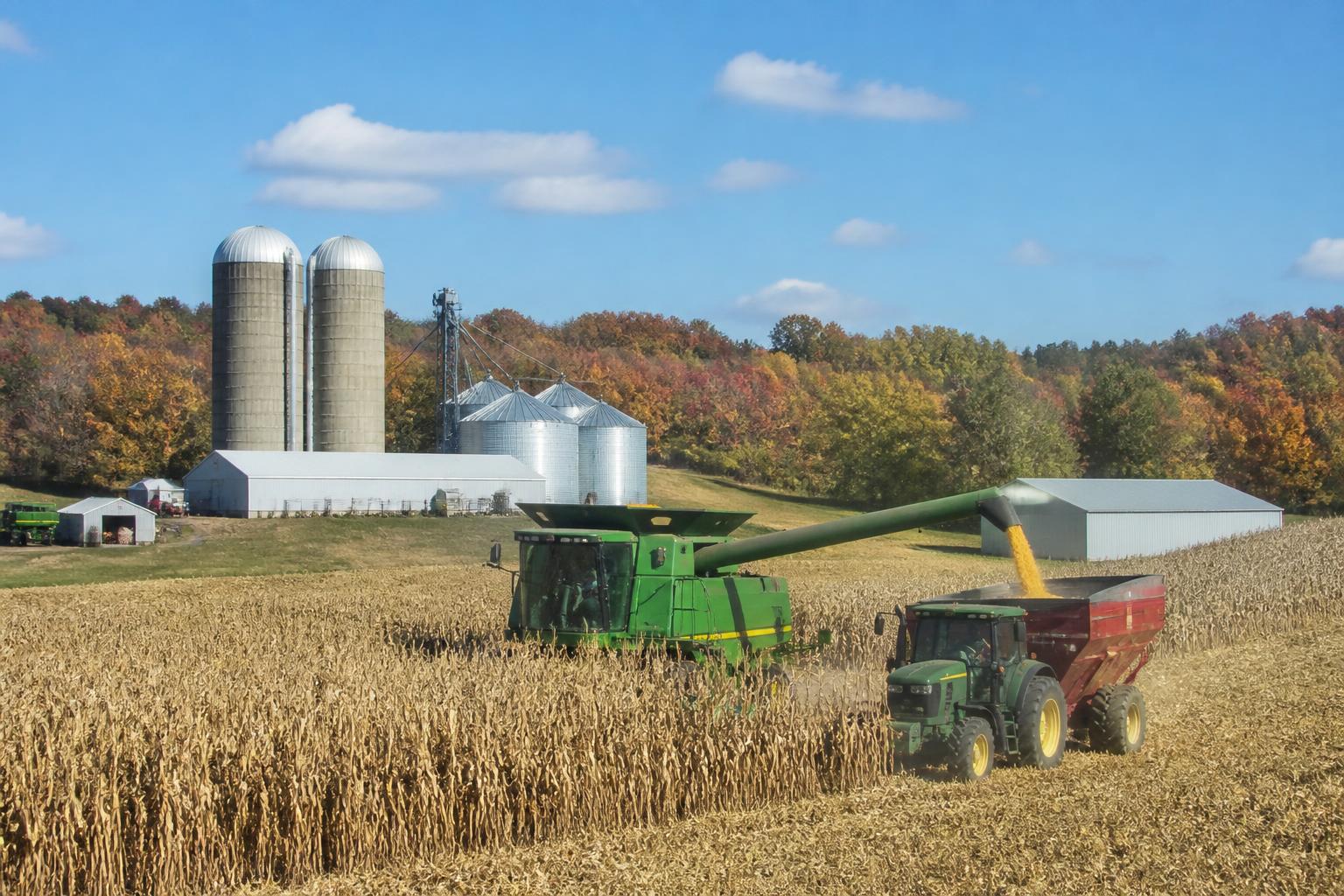
In the unique agricultural landscape of Alaska, the arrival of October signals a critical transition. As farmers move through the final stages of the harvest season, the focus shifts from field operations to securing the crop and solidifying risk management protocols. While the scale of Alaskan production differs from the massive corn belts in the lower 48, the necessity of a robust safety net remains a shared priority for agribusinesses and individual producers alike.
The Intersection of Harvest and Risk Management
Grain marketing and field operations are often viewed as distinct activities, but in practice, they are inextricably linked. For many, the rhythm of the combine does not signal the end of the work, but rather the beginning of an intensive period where the value of the crop must be protected against market volatility. Just as regional logistics require careful coordination to ensure equipment reaches distant plots, the optimization of crop protection strategies ensures that the hard-won yields are preserved through the coming winter.
Aligning Protection with Legislative Trends
Agribusiness leaders and independent growers are currently monitoring federal legislative developments with keen interest. Proposed improvements to the agricultural safety net are frequently discussed in the context of broader budget bills, which can have downstream effects on the accessibility of support programs. For producers in Alaska, understanding how these national frameworks intersect with localized soil conditions and nutrient requirements is essential for long-term operational resilience.
Key Takeaways for Producers
- Prioritize harvest speed as weather windows continue to tighten during the cooling fall temperatures.
- Review current grain storage and protection protocols to minimize post-harvest losses.
- Keep a close eye on federal policy updates, as changes to the safety net could impact risk management cost structures.
- Coordinate early with transport providers, as seasonal weight restrictions and regional weather events can create bottlenecks for input movement.
What it means for the market: The current environment suggests that proactive planning is the primary defense against both physical crop risks and market fluctuations. Producers who integrate their field-level protection efforts with a clear understanding of the evolving legislative safety net will be better positioned to navigate the challenges of Alaska's high-latitude growing environment as winter approaches.
Comments
No comments yet - be the first to share your take.