
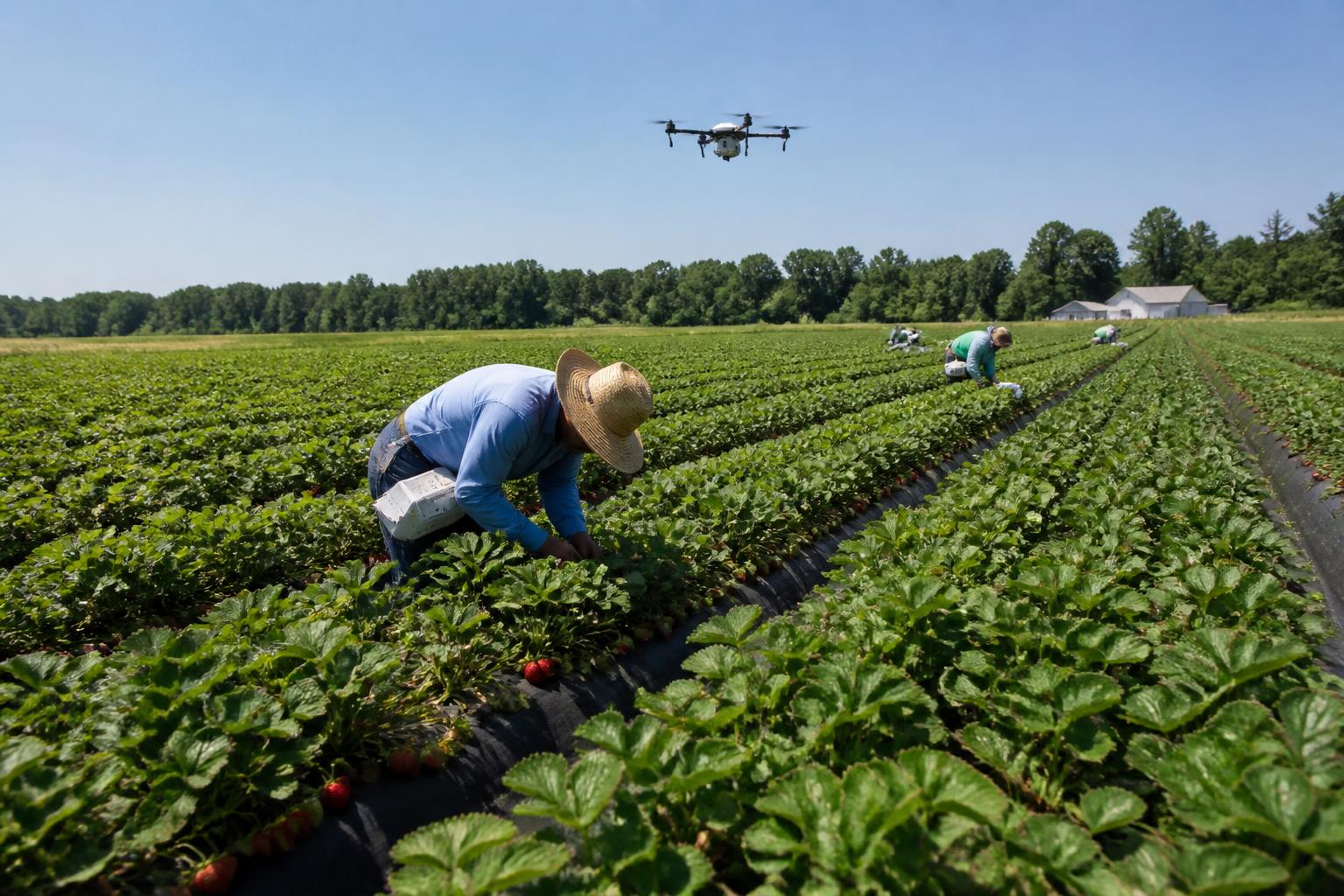
Summer heat and humidity in North Carolina bring both rapid crop growth and elevated pest pressures. For growers across the Tar Heel State, securing seasonal yields requires a proactive approach to crop protection, particularly as regional diseases and weed pressures intensify. Managing these risks successfully relies on a combination of diligent field scouting, strict application stewardship, and emerging agricultural technologies.
Navigating Summer Diseases: Southern Corn Rust in Eastern North Carolina
As summer temperatures peak, corn fields in eastern North Carolina face critical threats from airborne pathogens. The detection of Southern Corn Rust in the eastern counties serves as a vital alert for grain growers to monitor their fields closely. Unlike common rust, Southern Corn Rust thrives in hot, humid weather and can rapidly defoliate corn plants, leading to severe yield losses if left unchecked.
Agricultural specialists, including researchers and Extension teams at North Carolina State University, stress the importance of scouting early and applying fungicides when weather conditions favor disease development. Managing these biological threats is essential to keep local operations profitable, which is a major focus when examining North Carolina’s agricultural trends and opportunities in the modern global market.
Elevating Application Stewardship and Precision
With diverse operations ranging from summer vegetable production to vast acreage of row crops, pesticide stewardship is a top priority. Proper application timing and drift-reduction strategies are critical to prevent off-target movement, especially during breezy summer days when nearby crops may be sensitive to chemical exposure. Utilizing designated stewardship resources helps operators calibrate sprayers, select appropriate nozzles, and understand regional wind patterns.
Logistical planning also plays a vital role in successful crop protection. Ensuring that crop protection chemicals and fertilizers are delivered to farms on time without compromising safety is a key component of summer ag transport and infrastructure recovery across major highway corridors. Efficient delivery of verified, high-quality inputs also helps farmers avoid low-grade or unverified formulations that fail to protect crops adequately.
Innovation and Research Drive Local Solutions
North Carolina remains a hub for crop protection research and developmental science. The North Carolina Plant Sciences Initiative, alongside private sector investments such as BASF's plans to establish a new research center, highlights the state's leadership in agtech. These groups are working directly on localized issues, such as developing resilient crop varieties and identifying chemical formulations suited to the Southeast's unique climate.
Furthermore, recent discussions at NC State University's AI in Agriculture conference point to a future where artificial intelligence and machine learning help farmers detect pests and apply inputs with unprecedented precision. These advanced tools aim to reduce overall chemical usage while maximizing the protective efficacy of each application.
Key Takeaways
- Scout Early: Monitor fields in eastern North Carolina for Southern Corn Rust and other heat-loving pathogens during the humid summer months.
- Maintain Stewardship: Implement rigorous application standards to prevent off-target pesticide drift onto neighboring fields.
- Leverage Innovation: Stay informed on localized disease-resistant crop varieties and treatment technologies coming out of regional research centers.
What it means for the market
High disease pressure and strict environmental standards demand that North Carolina growers make highly calculated decisions regarding crop protection investments. While input costs remain a significant factor in seasonal profitability, timely and precise application of verified fungicides and herbicides prevents devastating yield losses. By utilizing local research pipelines and adopting advanced application techniques, agribusinesses can optimize their input budgets and protect crop quality throughout the volatile summer season.
Comments
No comments yet — be the first to share your take.