
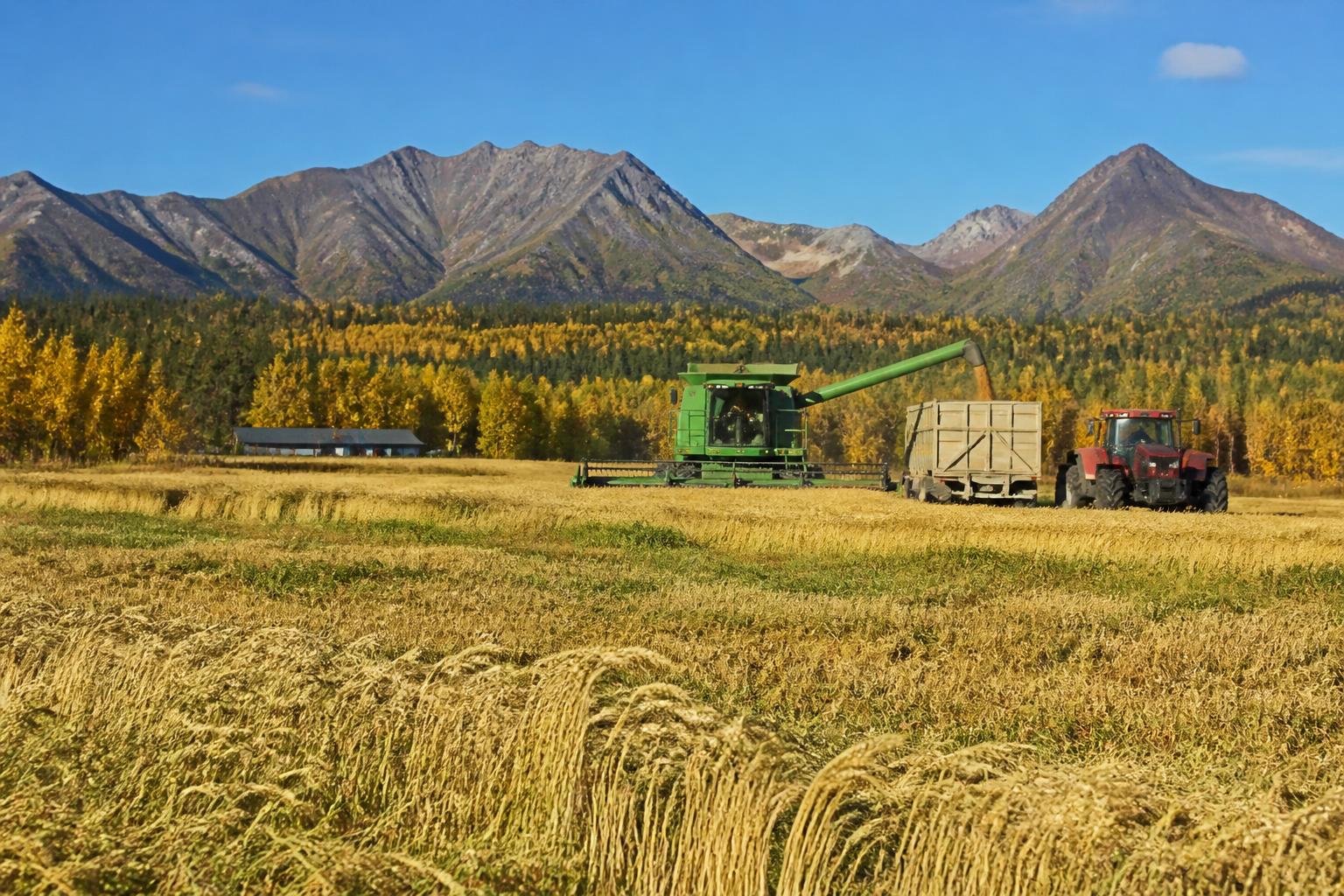
In the expansive and often unpredictable landscapes of Alaska, agricultural producers are increasingly evaluating the viability of localized grain production. While the state's rugged geography and unique climate present logistical hurdles, a renewed focus on regional grain independence is shaping how farmers manage their acreage. This shift toward self-sufficiency often requires a deep understanding of localized crop resilience and the ability to adapt to short growing windows that characterize the northern latitude.
For those managing small-scale operations or expanding into niche grain markets, the ability to balance labor and nutrient management is critical. Producers working in remote regions often find themselves navigating complex supply chains, which can fluctuate significantly during the volatile fall input season. Managing these inputs effectively remains a central challenge for those aiming to solidify a consistent yield in the face of environmental variables.
The Role of Adaptive Growing Strategies
Successful cultivation in Alaska relies heavily on adopting practices that emphasize soil health and nutrient resilience. By focusing on crop protection strategies that mitigate the risks of early frosts and varying soil quality, farmers are finding new ways to secure their harvests. This is especially relevant as producers integrate traditional knowledge with modern crop protection techniques to maintain productivity across diverse interior and coastal regions.
Moreover, the integration of hardy, local grain varieties is helping farms move away from reliance on expensive, imported inputs. This approach not only aids in developing a more robust agricultural framework but also mitigates some of the logistical risks associated with transport and the state’s limited infrastructure.
Building a Sustainable Future
As the sector matures, the emphasis on agrobiodiversity and resource conservation is becoming a core theme for Alaska's farming community. Growers are increasingly looking at how they can protect their soil and nutrient base to ensure longevity. By treating the farm as a cohesive system rather than just a production site, many are successfully navigating the complexities of the current market environment.
What it means for the market
For grain handlers and agribusinesses, the growth in Alaskan grain represents a shift toward localized, high-value supply chains. While the scale remains smaller than in the Lower 48, the trend toward local food security is driving demand for specialized inputs and advisory services. Stakeholders should monitor how these small-scale, high-resilience systems impact demand for soil amendments and specialized harvesting equipment in the coming seasons.
Comments
No comments yet - be the first to share your take.