
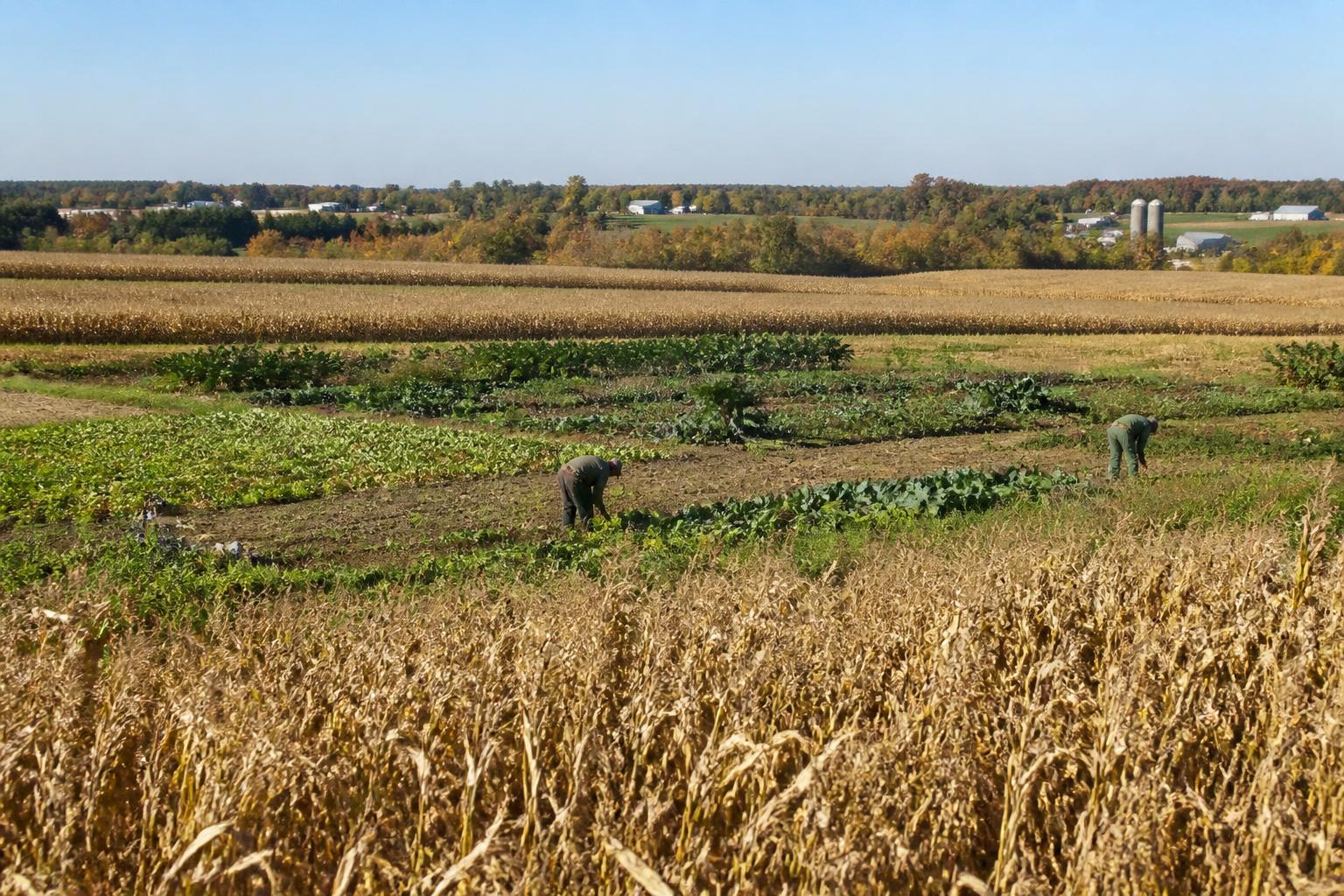
With the harvest season reaching its final stages, Alaskan growers are shifting focus toward securing soil health and preparing for the off-season. The unique environmental conditions of the Last Frontier often require specialized approaches to nutrient management, particularly as producers balance the demand for high yields with the need to protect sensitive ecosystems.
As interest in organic-friendly inputs grows, many local operations are exploring sustainable alternatives such as fish emulsion to bolster crop vitality. Integrating optimized crop protection strategies remains a priority, especially when considering the potential impacts of climate shifts on land usage and the delicate balance between agricultural expansion and the preservation of pristine wilderness areas.
Adapting Nutrient Strategies for Northern Soils
The pursuit of soil resilience is becoming more complex. In many regions of Alaska, managing the legacy of mining claims and navigating regional groundwater regulations can complicate typical land management. Farmers are increasingly cautious about how fertilizers and amendments interact with local water tables, ensuring that production practices do not inadvertently disrupt the natural landscape.
Building Long-Term Resilience
Scientific advancements in global agriculture continue to influence regional techniques. While large-scale global corn surpluses highlight the power of modern genetics, Alaskan producers often find that local success depends on adaptive techniques that account for the extreme fluctuations in daylight and temperature. Strengthening biosecurity and input management is essential to maintaining the integrity of unique Alaskan crops that thrive in the midnight sun.
What it means for the market: For growers and input suppliers, the emphasis is moving toward precision and sustainability. By prioritizing soil integrity and investing in localized, organic-compatible amendments, Alaskan agribusinesses can mitigate environmental risks while maintaining output quality. Producers who stay informed on regulatory developments regarding water and land use are better positioned to navigate the challenges of the coming winter season.
Comments
No comments yet - be the first to share your take.