
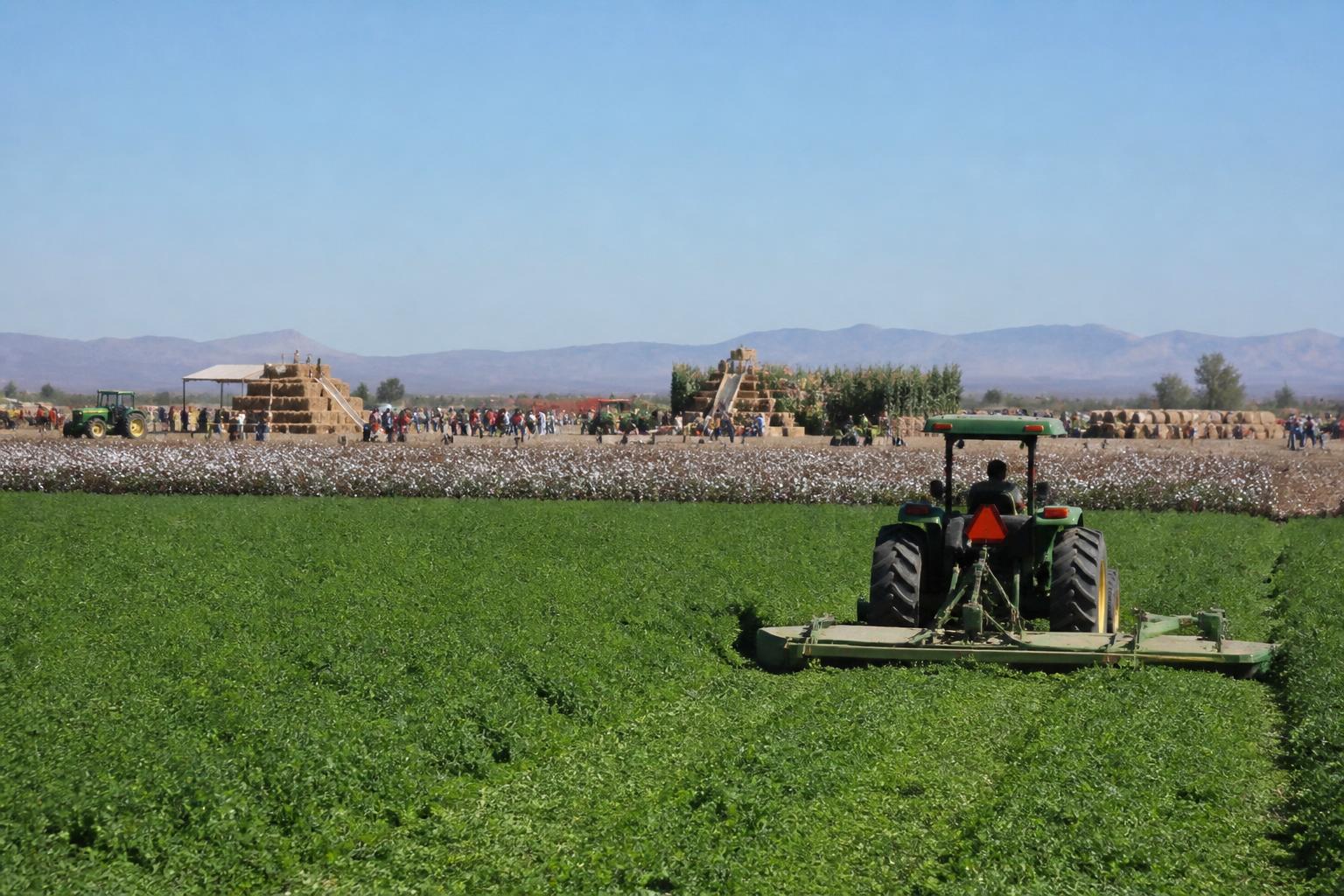
The agricultural landscape across Arizona continues to shift as we move deeper into the fall season. Producers, grain handlers, and livestock operators are currently navigating a complex environment where long-standing crop patterns meet new logistical realities and regional pressures. Whether managing traditional field crops or adjusting to localized infrastructure shifts, the focus for many remains on efficiency and risk mitigation.
For those managing Arizona logistics and labor compliance, this time of year often demands a keen eye on transit corridors and storage capacity. With harvest activities ramping up in various parts of the state, maintaining steady movement from the field to the elevator is essential to keeping costs in check and ensuring product quality remains high.
Adapting to Evolving Forage and Field Dynamics
The state's alfalfa and cotton sectors are seeing significant evolution. As water management practices and land use policies continue to draw attention, the underlying demand for high-quality forage remains a pillar of regional agricultural stability. Growers are increasingly looking at variety selection and technology adoption to optimize yields in what can be a challenging environment, particularly as growers refine their approach to water-intensive crops.
Proactive Pest and Operational Management
Beyond logistics and crop selection, field health remains a priority as the season turns. Recent reports of new pest activity necessitate increased vigilance among producers. Staying ahead of potential threats through early detection and integrated management is critical to protecting yield potential. Furthermore, as agricultural operations integrate with urban and peripheral land uses, keeping an eye on operational compliance and community relations is becoming a standard part of the fall planning process for many agribusinesses.
What it means for the market
For the Arizona agribusiness sector, the current environment underscores the need for flexibility. As global and regional grain markets remain sensitive to supply chain fluctuations, the ability to pivot—whether through optimizing storage, adjusting logistics, or responding to evolving pest concerns—is vital. Producers should continue to monitor local grain pricing and input availability closely, as uncertainty in broader agricultural trends can quickly filter down to the regional level.
Comments
No comments yet - be the first to share your take.