
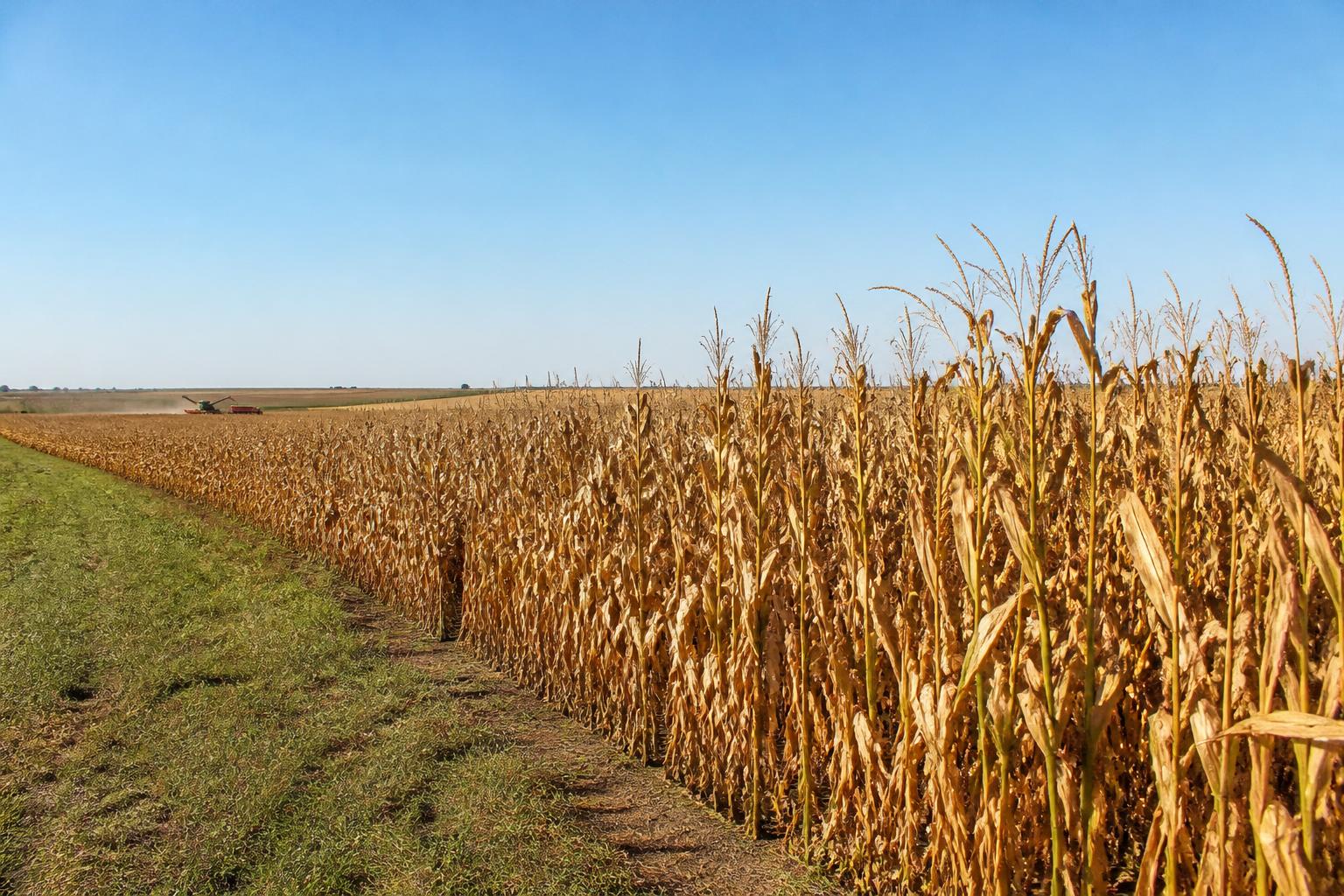
Hawaii farmers are operating within an increasingly complex economic environment this fall as they navigate a convergence of record-high agricultural debt levels and fluctuating input costs. With the cost of essential inputs, such as fertilizers, remaining a significant concern, local producers are finding that managing margins requires more than just traditional agronomic practices; it now demands a strategic approach to debt servicing and resource utilization.
Financial pressures across the industry remain a critical focal point, with recent reports suggesting that official data may be undercounting the true scale of farm debt currently carried by U.S. producers. For those working in the islands, this creates a challenging backdrop for planning the upcoming seasons, especially as producers consider how to balance essential capital investments against the necessity of protecting Hawaii's agricultural future through improved land security and infrastructure.
Innovation in Post-Harvest Preservation
In addition to managing financial liabilities, technology is playing a key role in protecting the value of crops once they leave the field. One promising development for the local fruit industry is the implementation of new coating technologies for papayas. Researchers have noted that a TiO2 chitosan-based coating can effectively slow down the ripening process, potentially extending the shelf life and quality of shipments.
For Hawaii growers dealing with high logistics costs, such improvements in post-harvest stability may offer a practical advantage. By reducing spoilage during transit, producers can potentially capture better market value and maintain competitiveness even when facing the high overhead costs typical of island agricultural production.
Strategic Resource Management
With the current season presenting a mix of economic and logistical variables, many local agribusinesses are re-evaluating their reliance on expensive inputs. The recent focus on the fertilizer supply chain highlights the vulnerability of producers to sudden market spikes. Farmers are increasingly looking toward sustainable soil management and precise application methods to mitigate the impact of price volatility while maintaining yield standards.
Key Takeaways:
- Debt Monitoring: Producers should maintain a conservative approach to credit, as broader national debt levels may affect local lending conditions.
- Shelf-Life Technology: Exploring advanced fruit coatings could help reduce post-harvest losses, particularly for high-value export crops like papayas.
- Input Optimization: Continued volatility in fertilizer markets makes precise nutrient management a high-priority strategy for cost containment.
What it means for the market
The current agricultural landscape in Hawaii is characterized by a need for heightened financial vigilance and the adoption of efficiency-driving technologies. As producers navigate the intersection of rising debt and evolving post-harvest needs, those who prioritize both fiscal health and technical innovation will be better positioned to weather seasonal shifts in market demand and input availability.
Comments
No comments yet - be the first to share your take.