
As Hawaii moves deeper into the fall season, the agricultural landscape remains a focal point for both economic development and critical resource management. Producers across the islands are navigating a complex environment where securing the future of farmland is as vital as managing immediate operational hurdles, such as biosecurity and market branding.
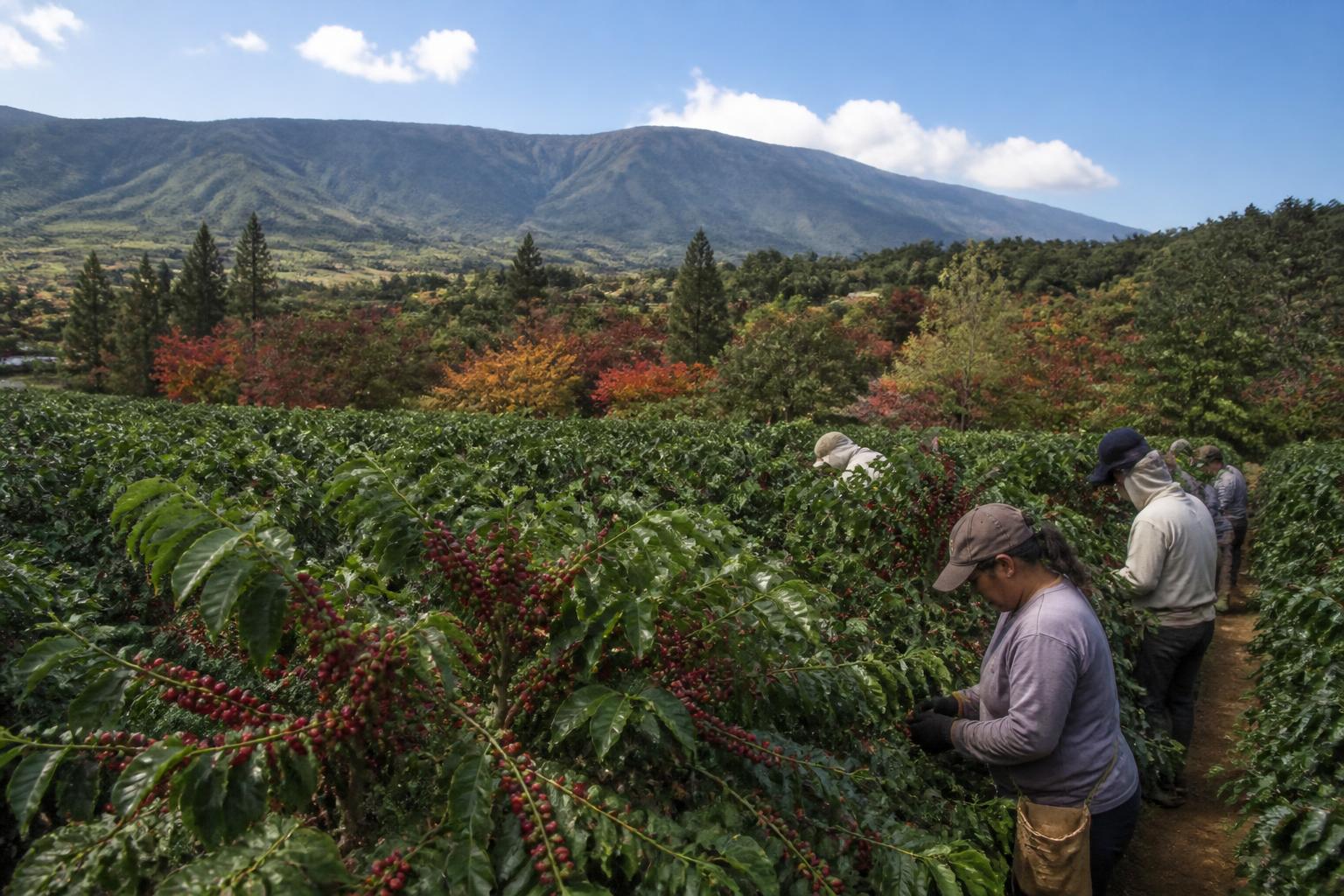
Protecting the integrity of Hawaii's unique agricultural output has become a recurring theme. Efforts to safeguard high-value commodities, such as Kona coffee, reflect a broader industry push to ensure that the "Hawaii" brand remains protected against misrepresentation. Simultaneously, the state is making significant strides in land preservation, with recent easement agreements securing dozens of acres of Hilo farmland, ensuring this acreage remains dedicated to agricultural use in perpetuity.
The Role of Technology in Farm Defense
In the ongoing battle against regional threats, technology is playing an increasingly prominent role. In-field monitoring systems are being deployed to provide growers with sophisticated tools to identify and mitigate risks before they impact bottom-line yields. The University of Hawaii continues to lead statewide initiatives, channeling tens of millions of dollars into nearly 100 projects aimed at the surveillance and eradication of invasive species. These efforts, combined with navigating changing pesticide regulations and biosecurity compliance, are essential for maintaining the productivity of Hawaii's diverse farming regions.
Legislative Support for Sustainable Growth
The regulatory framework surrounding Hawaii agriculture is also evolving to meet the demands of a changing climate and economic climate. Recent legislation signed into law underscores a commitment to supporting local operations, which are the backbone of the state’s food security. By balancing development pressures with the need to protect arable land, policymakers are attempting to provide a more stable foundation for the next generation of farmers and ag-tech enterprises looking to establish roots in the islands.
What it means for the market
For agribusinesses and producers, these shifts suggest a transition toward a more structured and regulated environment. While increased oversight and land protection measures may require short-term adjustments to business plans, they are ultimately designed to foster long-term market stability. Stakeholders should expect continued emphasis on biosecurity, high-tech farm monitoring, and the formal protection of agricultural real estate, all of which aim to fortify the economic viability of Hawaii's farming sector against both local and global competitive pressures.
Comments
No comments yet - be the first to share your take.