
The Evolving Landscape of Colorado Land Use
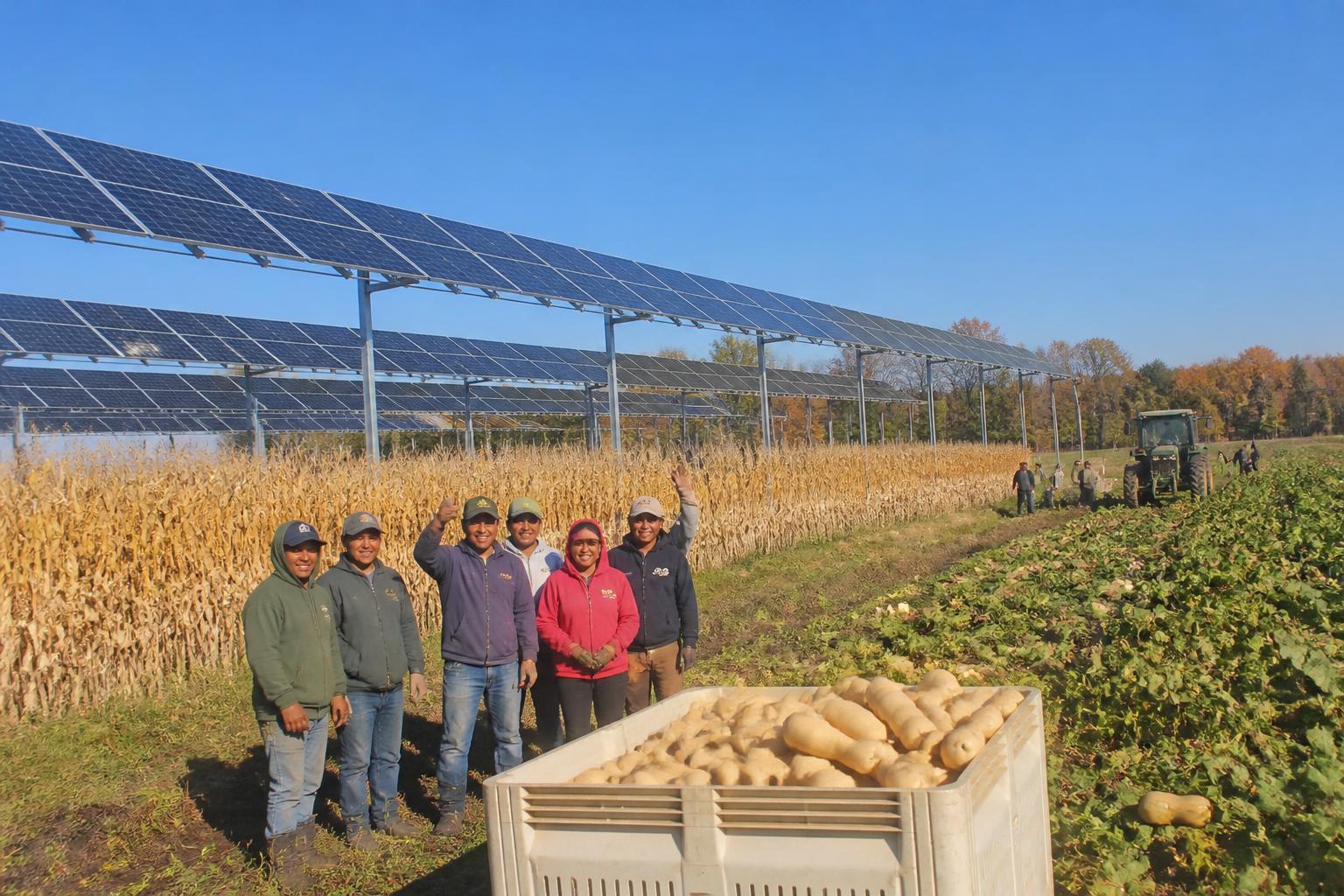
As farmers across the state wrap up their fall harvest cycles, many operations are looking at long-term land management strategies that extend beyond traditional field crops. The practice of agrivoltaics, or the co-location of solar energy arrays with agricultural production, is gaining interest as a method to improve land efficiency. By utilizing solar panels to provide shade for sensitive crops or livestock, producers may create more resilient microclimates that reduce heat stress and water loss.
Integrating these systems requires careful consideration of infrastructure and site compatibility. While the technology is adaptable, local logistics often dictate success; managing existing equipment traffic around solar arrays is a common hurdle for operators in regions ranging from the Arkansas Valley to the Northern Front Range. Producers exploring these setups often find that thoughtful placement can minimize disruption to standard seasonal harvest operations while providing a steady, reliable energy source.
Value-Added Crops and Market Differentiation
Beyond energy production, local growers are increasingly leaning into the unique sensory characteristics of their crops to secure market share. In many Colorado farming communities, focusing on superior flavor profiles is being used as a strategic tool to bridge the gap between rural producers and local consumers. By highlighting the quality of regional produce, farmers can command better pricing and build stronger brand loyalty, which is essential as input costs remain variable.
Focusing on high-value, flavor-driven produce can serve as a strong alternative for smaller acreage operations that may struggle with the economies of scale required for commodity grains. Connecting directly with regional food hubs or local specialty markets allows these farmers to capture a larger share of the retail dollar while reinforcing the value of regional agriculture to the surrounding community.
What it means for the market
For the Colorado agribusiness sector, the shift toward dual-use land models and identity-preserved, flavor-focused marketing represents a dual-pronged strategy for resilience. As the industry moves into the winter planning phase, producers who assess their land for solar potential or transition segments of their operation to high-value niche crops may find themselves better insulated against broader commodity market volatility. Evaluating current logistics and regional infrastructure remains a prerequisite for any significant pivot in operational focus.
Comments
No comments yet - be the first to share your take.