
Adapting to Evolving Climate Challenges
For Colorado farmers and ranchers, the fall season often brings a shift in focus toward long-term risk mitigation. Recent advancements in meteorological technology, specifically new investments in radar instrumentation, are aimed at better understanding and predicting hail patterns. For operations in the High Plains and along the Front Range, where severe weather can significantly impact seasonal yields, improved data could eventually provide more precision for crop management and insurance planning.
Understanding these environmental variables is increasingly tied to the broader navigation of crop protection and irrigation constraints in Colorado. As producers balance the immediate needs of the harvest season with the preservation of soil and water resources, technological integration remains a key lever for stabilizing margins.
Pollinator Health and Field Stability
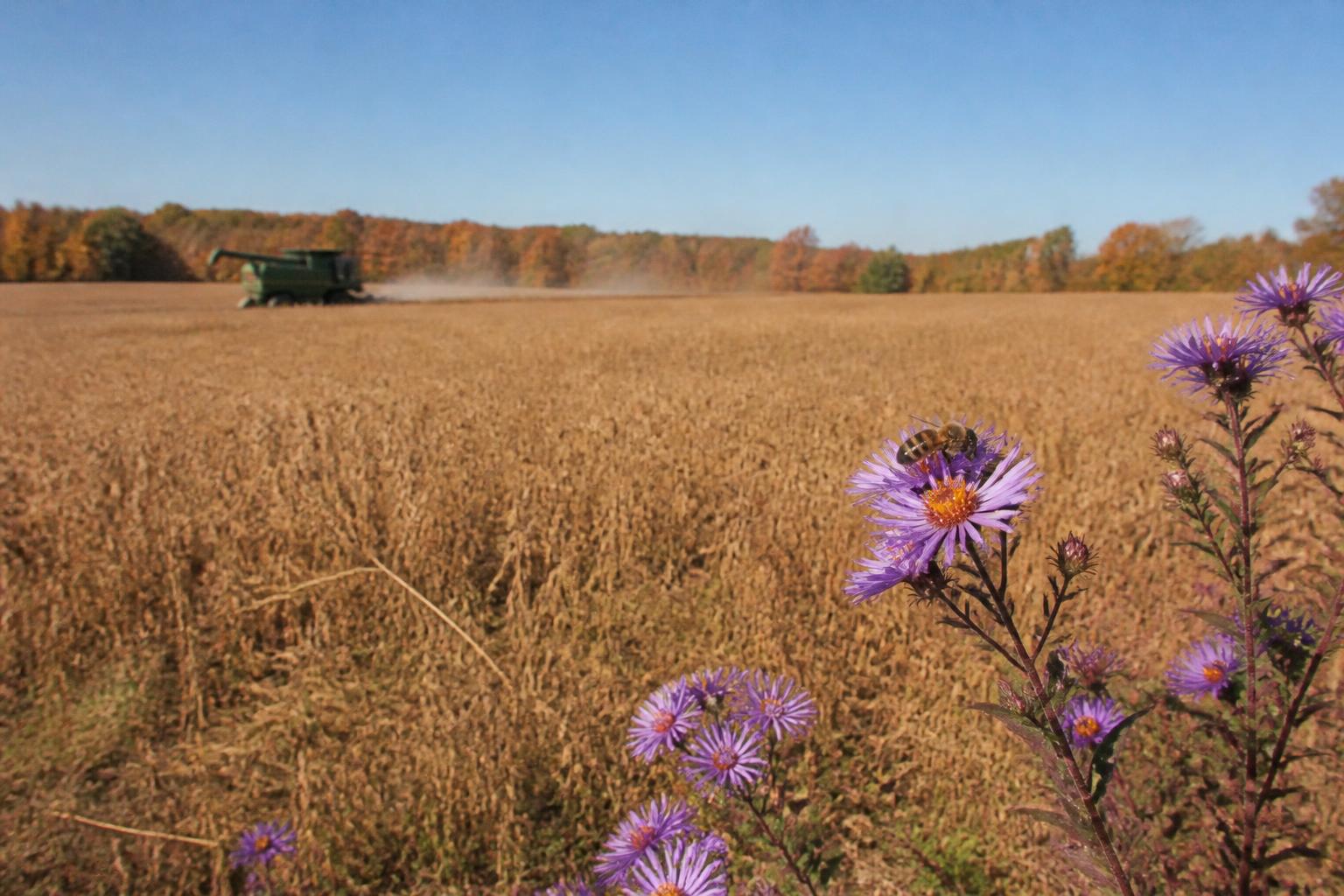
Beyond weather-related logistics, agricultural health in the state also relies on the stability of local pollinator populations. Protecting these essential components of the ecosystem is becoming a shared focus for growers, particularly as they manage land use around the eastern plains. Incorporating pollinator-friendly practices is increasingly viewed as an investment in the long-term productivity of field crops and local orchards.
While growers are currently focused on operational updates and grain movement during this busy fall period, the intersection of climate research and biodiversity management continues to shape the landscape of Colorado agriculture.
What it means for the market
Producers should monitor how new weather research influences regional risk assessments and potential changes to crop insurance models. Furthermore, integrating sustainable practices that support local bee populations may prove beneficial for field health, potentially offsetting some of the climate-related volatility that Colorado operations often face during the transition into winter.
Comments
No comments yet - be the first to share your take.