
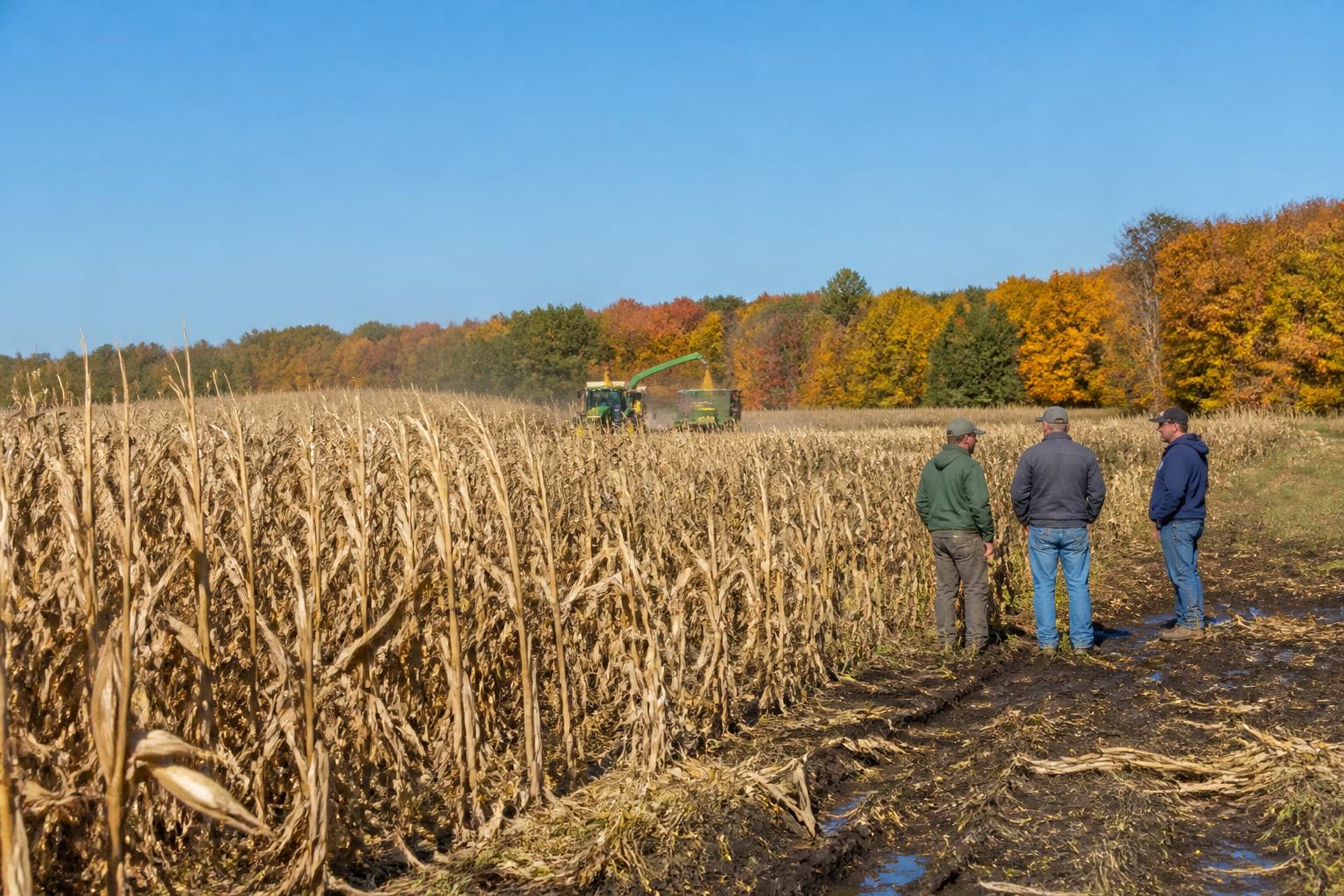
Harvest progress across the United States has hit some logistical speed bumps this week, with wet weather patterns delaying corn fieldwork in multiple states. For producers across Colorado, managing the pace of harvest while navigating soil moisture conditions remains a critical priority for ensuring grain quality heading into storage.
In the regional market, elevators and handlers are keeping a close watch on how these environmental shifts influence grain movement. Efficient logistics remain key as operators balance the flow of incoming supplies with seasonal pricing shifts that characterize the fall months.
Monitoring Input Costs and Market Positioning
Beyond the field, farmers are looking at the broader economic landscape as they plan for future seasons. Concerns over fertilizer affordability continue to be a talking point for agribusinesses and producers alike, with recent legislative interest aimed at addressing high input costs for U.S. growers. Staying informed on grain buyers, sellers and prices in Colorado can help producers make more data-driven decisions during this volatile period.
Market analysts are also evaluating recent commodity futures positioning data. For those managing risk, keeping track of these broader financial trends is just as vital as managing the physical crop. Those interested in deeper analytical breakdowns often look for updates on how cash bids evolve in tandem with global supply and demand signals.
What it means for the market
The combination of weather-related harvest slowdowns and the ongoing scrutiny of fertilizer expenses creates a complex operational environment for Colorado agriculture. Producers who can prioritize harvest windows during dry spells and maintain communication with local elevator partners may find themselves better positioned to manage the short-term fluctuations in grain quality and pricing.
Comments
No comments yet - be the first to share your take.